The Rise of Pennsylvania Cannabis Dispensaries: A Patient’s Guide to Navigating the Keystone State’s Medical Market

Thirty dollars. That’s what the average patient spends on their first-ever dispensary visit in Pennsylvania, and roughly half of them walk out with the wrong product because nobody told them what to ask for. I’ve watched this play out dozens of times. A friend gets certified, drives to the nearest shop, stares at a wall of tinctures, and buys whatever the budtender hands them.

Then they call me confused because the effect wasn’t what they expected. The problem isn’t the dispensary. It’s that Pennsylvania’s medical program grew up fast, and the consumer education didn’t keep pace. This guide fixes that. You’ll learn how the state’s retail system is structured, what separates a good dispensary from a frustrating one, and how to walk in prepared instead of overwhelmed. Once you understand how Pennsylvania cannabis dispensaries operate, each visit gets simpler, and you can focus on finding the products that suit your needs.

How Pennsylvania’s Medical Program Actually Works

Pennsylvania legalized medical cannabis back in 2016, and the rollout moved faster than most observers predicted. Today the state licenses a capped number of growers and a fixed roster of retail locations, which means you won’t find the corner-store density you see in Colorado or Oregon. That scarcity shapes everything about your experience.

For starters, you need a certification from a registered physician before you can step inside any shop. That certification gets entered into the state’s patient registry, and you’ll pay an annual fee for your ID card. Once you’re in the system, you can shop at any licensed location in the state, not just the one closest to you. That’s a detail a lot of patients miss. Your card isn’t tied to a single retailer.

The flip side is that Pennsylvania only permits specific product forms: pills, oils, tinctures, topicals, concentrates, and flower that’s technically approved for vaporization. No edibles in the traditional brownie sense, no smokable flower sold as such. If you’re coming from another state with a wider menu, reset your expectations. The National Library of Medicine maintains research on how delivery methods affect onset time and duration, which is worth a look if you’re trying to match a product to a specific need. My honest take: the narrow product list is a feature, not a bug. It forces patients to learn the difference between a topical and a tincture instead of grabbing a gummy because it looked friendly.

What to Look For in a Dispensary

Not every licensed shop deserves your gas money. Here’s the filter I’d apply.

  • Inventory depth: A shop with twelve flower strains and nothing else isn’t serving patients with varied needs. You want a menu that spans multiple brands and product categories.
  • Consultation quality: Good budtenders ask what you’re trying to address before recommending anything. If someone hands you a product in the first thirty seconds, walk.
  • Wait times: Some locations run appointments; others are first-come. Check before you drive forty minutes.
  • Discount programs: Many shops offer veterans, senior, and disability discounts that aren’t advertised on the door.
  • Location convenience: Since your card works statewide, there’s no reason to stay loyal to a mediocre shop near your house.

The retail footprint clusters heavily around Philadelphia and Pittsburgh, with a scattering of locations in smaller cities like Altoona, Harrisburg, and Cranberry. If you’re in a rural county, your realistic option might be a single shop within an hour’s drive, which changes the calculus. In those cases, I’d prioritize inventory depth over everything else, because you’re not making the trip twice in one week.

Your First Visit, Step by Step

Here’s how to make the trip count.

  1. Bring your state ID and patient card. Both. Every time. No exceptions.
  2. Check the menu online the morning of. Inventory moves fast, and the online list updates more often than you’d think.
  3. Write down your top three questions. Anxiety makes people forget what they walked in to ask.
  4. Start low. Whatever the label says, halve it for your first session and see how your body responds over a few hours.
  5. Keep a log. Product name, dose, time of day, effect. After a month you’ll have a personal reference chart worth more than any online review.

That log is the single habit I’d push hardest. Dispensary staff can tell you what works for the average patient, but you’re not average. Your body responds to specific ratios of THC and CBD in ways nobody can predict from a product description.

The Retail Landscape Is Still Shifting

Pennsylvania’s market isn’t frozen. Lawmakers keep revisiting the program, and every legislative session brings new proposals about expanding access, adding product types, or adjusting the licensing structure. Whether you’re a patient or just watching the industry, the pace of change is worth tracking.

From a business perspective, this is one of the more interesting retail sectors in the country. Small operators compete against vertically integrated companies that control growing, processing, and retail under one roof. The U.S. Census Bureau tracks broad retail and small-business trends that give useful context for how specialty retail categories like this one behave during periods of regulatory change.

If you’re considering opening a related business, whether that’s a consulting service, a packaging supplier, or a logistics operation, the Small Business Administration publishes baseline guidance on licensing and structure that applies regardless of your industry. The regulatory layer on top of it is where the real work lives, and it’s not for the faint of heart.

My read: the dispensaries that survive the next wave of consolidation will be the ones that treat patient education as a core service rather than a marketing line. The ones that don’t will get squeezed out by operators with deeper pockets and better menus.

Finding a Shop That Fits Your Routine

Here’s where practical reality wins over brand loyalty. If you commute through a particular corridor, a shop that’s five minutes off your route beats a “better” shop that adds an hour to your week. If you work nights, check which locations stay open past six, because plenty of Pennsylvania dispensaries close early.

Patients in the Philadelphia suburbs have real choice. Those near Pittsburgh have solid options too. The state’s statewide reciprocity means you can build a rotation: one shop near home, one near work, and one near wherever you happen to be on weekends. A lot of patients I know keep tabs on multiple menus and buy specific products from specific locations because inventory varies that much between stores.

For a current look at locations, hours, and state-specific resources, you can browse Pennsylvania cannabis dispensaries to see how one operator lays out the patient experience across its footprint. It’s a useful reference point even if you end up shopping elsewhere, because it shows what a mature, well-organized menu looks like.

The bottom line: Pennsylvania’s program rewards patients who do a little homework. Fifteen minutes of research before your first visit saves you weeks of trial and error afterward.

Frequently Overlooked Details

A few things that trip up first-timers. Your certification has an expiration date, and renewing it isn’t automatic. Set a calendar reminder ninety days before it lapses, because a gap means you can’t purchase anything until it’s resolved.

Products vary wildly in price between locations, sometimes by thirty or forty percent for the identical item. That’s not a typo. Pennsylvania doesn’t cap retail prices, so comparison shopping pays off in a way it doesn’t in more mature markets. And don’t sleep on the pharmacist consultations that many dispensaries offer. They’re usually free, they’re confidential, and they’ll save you from a bad first purchase faster than any forum thread.

What Comes Next for Patients

The Pennsylvania market will keep evolving, and patients who understand the system’s structure will adapt faster than those who don’t. Build your log, learn your ratios, and treat your patient card like the flexible tool it is. The dispensary that works for your neighbor might not work for you, and that’s fine. What’s the one product you’ve been curious about but haven’t tried? Next time you’re near a shop, bring that question to the counter and see what the staff tells you.

Posted in News |

Deal on Fire! Replicant | Blu-ray | Only $7.99 – Expires soon!

"Replicant" Blu-ray Cover

“Replicant” Blu-ray Cover

Today’s Deal on Fire is the Blu-ray for 2001’s Replicant, directed by the late Ringo Lam (Sky on Fire, Wild City).

Unable to catch a serial killer by conventional methods, a secret government agency and a police detective team up to find the killer (Van Damme) and stop him once and for all. Using DNA obtained from the killer, a clone (Van Damme) is created to help get inside the mind of the real killer in a race against time. And yes, you read that right… Jean-Claude Van Damme (Kill ’em All) squares off against his deadliest opponent yet – himself!

Replicant also stars Michael Rooker (The Walking Dead, The Replacement Killers), Catherine Dent (The Shield), Pam Hyatt (Restoration) and Ian Continue reading →

Posted in Deals on Fire!, News |

FEMALES GOT BALLS! Stephen Chow’s ‘Kung Fu Soccer’ gets a US, Canada, UK & Ireland theatrical release on October 23

"Kung Fu Soccer" Poster

“Kung Fu Soccer” Poster

Singapore based distributor Encore Films will release Kung Fu Soccer (aka Shaolin Women’s Soccer) in the U.S., Canada, U.K. and Ireland on October 23, 2026. The film is the latest from acclaimed Hong Kong filmmaker Stephen Chow (Kung Fu Hustle).

The release comes during the 25th anniversary year of Chow’s 2001 classic, Shaolin Soccer, which became Hong Kong’s highest grossing local film upon its release before going on to develop a global cult following.

Unlike the original, Chow is only directing this time around. The sequel shifts its focus to a female soccer team and boasts an ensemble cast that includes Zhang Xiaofei (Five Hundred Miles), Dilraba Dilmurat (21 Karat), Yixing Zhang (A Legend), Xu Jiao (CJ7), Mi Ai (Creation of the Gods II: Demon Force), Sisley Choi (The Prosecutor), Isabelle Continue reading →

Posted in News, Top 4 Featured |

Caine-sploitation? Move over Donnie! Check out the first Poster for ‘The Healer’ starring Eddie Peng and Ewan Mitchell

"The Healer" Poster

“The Healer” Poster

Hong Kong action star Eddie Peng (Operation Mekong, The Rescue) and Ewan Mitchell (House of the Dragon, Saltburn) team up for The Healer, an upcoming action thriller that marks the feature directorial debut of stunt coordinator Can Aydin (The Fall Guy, Thunderbolts).

The cast also includes Smylie Bradwell (The Hunger Games: Sunrise on the Reaping), Georgina Beedle (Beetlejuice Beetlejuice) and Jameela Jamil (The Good Place).

The Healer follows a blind acupuncturist (Peng) who once lived as a trained killer but has since chosen a peaceful life. When a young patient named Soly (Bradwell) becomes the target of ruthless gang boss Dandy Lynch (Mitchell), he must return to his violent past to save the boy, using his heightened senses and knowledge of the human Continue reading →

Posted in News, Top 4 Featured |

Fire Festival | Blu-ray (Third Window Films)

On December 7, 2026, Third Window Films is releasing the Blu-ray (Region B) for Fire Festival, a 1985 thriller from director Mitsuo Yanagimachi (God Speed You! Black Emperor).

When developers arrive in a rural, seaside village with plans to construct a marine park, the divide grows between the village fishermen and the woodmen, led by a solitary boorish lumberjack, Tatsuo, who engages in bizarre rituals to appease the mountain Continue reading →

Posted in Asian Titles, DVD/Blu-ray New Releases, News | Tagged |

The Evolution of Martial Arts Cinema From Classic Kung Fu to Modern Action Films

Photo by Fervent Jan on Unsplash

Martial arts cinema has undergone a remarkable transformation over the past several decades, evolving from traditional kung fu productions into a major influence on international action filmmaking. What began as a genre closely associated with Chinese cinema has developed into a global entertainment phenomenon, inspiring filmmakers, performers, and audiences across different cultures.

The appeal of martial arts films extends beyond impressive fighting techniques. These productions combine physical discipline, storytelling, choreography, and visual creativity to create memorable cinematic experiences. From the pioneering performances of Bruce Lee to the elaborate action sequences found in contemporary blockbusters, martial arts have continually introduced new possibilities for screen entertainment.

Understanding this evolution reveals how traditional fighting styles, cultural influences, and changing filmmaking technologies have shaped modern action cinema while preserving the physical artistry that made the genre popular.

The Physical Discipline Behind Martial Arts Performances

One of the defining characteristics of martial arts cinema is the extraordinary physical preparation required from performers. Unlike action sequences that depend primarily on visual effects, traditional martial arts films frequently emphasized genuine athletic ability, carefully rehearsed movements, and precise coordination between performers.

Training often involved long hours of practicing techniques, developing flexibility, and refining choreography. Actors needed to understand not only how to perform movements convincingly but also how to cooperate with stunt partners to create believable sequences.

Physical preparation has always existed alongside personal routines involving nutrition, rest, and traditional wellness practices. Today, interest in these subjects extends to functional ingredients, including mushrooms that have appeared in different Asian cultural and nutritional traditions. The comparisons available through https://www.ryzesuperfoods.com/ explore lion’s mane and turkey tail mushrooms, their distinctive compounds, and their historical applications in wellness practices.

These traditional ingredients offer an interesting connection to the broader cultural environment from which many martial arts philosophies and customs developed. While filmmaking techniques have changed dramatically, the relationship between physical discipline, cultural traditions, and personal routines remains an important part of understanding the genre.

Bruce Lee and the International Popularity of Kung Fu Cinema

Bruce Lee played a defining role in introducing martial arts films to international audiences during the early 1970s. His distinctive fighting style, physical charisma, and philosophical approach helped transform perceptions of what an action hero could be.

Films such as The Big Boss and Enter the Dragon demonstrated that martial arts could drive compelling stories while delivering action sequences unlike those commonly seen in Western cinema.

Lee’s movements emphasized speed, precision, and directness, creating a visual style that audiences immediately recognized. His performances also brought attention to martial arts as disciplines involving mental focus and personal development.

His influence extended beyond individual films. International interest in kung fu increased, and filmmakers began incorporating martial arts choreography into different entertainment genres.

Although Lee’s career was tragically short, his contribution established a foundation for generations of action performers.

Jackie Chan Introduced Comedy and Creative Stunt Work

As martial arts cinema developed, performers began experimenting with different approaches to action choreography. Jackie Chan became particularly influential by combining martial arts techniques with physical comedy and elaborate stunt sequences.

Unlike the intense fighting style associated with Bruce Lee, Chan frequently portrayed characters who relied on improvisation, environmental awareness, and humorous reactions during confrontations.

Movies such as Drunken Master and Police Story demonstrated how ordinary objects and surrounding environments could become essential elements of fight choreography.

Chairs, ladders, tables, and other props helped transform action scenes into carefully coordinated performances that balanced danger with entertainment.

Chan’s approach also emphasized the importance of stunt coordination and rehearsal. His work influenced action directors internationally and demonstrated that martial arts films could appeal to audiences through humor as well as physical intensity.

Hong Kong Action Cinema Changed Fight Choreography

Photo by Thao LEE on Unsplash

Hong Kong became an important center of action filmmaking during the twentieth century, producing movies that combined martial arts, crime stories, and increasingly sophisticated stunt work.

Directors and choreographers experimented with editing, camera placement, and movement to create fight scenes with greater rhythm and visual impact.

Performers such as Sammo Hung, Yuen Biao, and Jet Li contributed to this development through their technical abilities and distinctive screen presence.

Some productions favored realistic physical exchanges, while others embraced acrobatic movements and stylized combat inspired by traditional Chinese martial arts.

The influence of Hong Kong cinema eventually reached Hollywood, where filmmakers began adopting faster choreography and more elaborate stunt sequences.

This exchange of techniques helped reshape the expectations audiences brought to modern action films.

Hollywood Brought Martial Arts Into Mainstream Blockbusters

By the late twentieth century, martial arts choreography had become an increasingly important element of American action cinema.

Films such as The Matrix introduced international audiences to elaborate fight sequences inspired by Hong Kong cinema. The production’s use of martial arts specialists and carefully choreographed movements created a distinctive combination of physical performance and visual effects.

The success of these techniques encouraged filmmakers to incorporate martial arts into superhero films, science fiction adventures, and international thrillers.

Actors increasingly trained in boxing, kickboxing, judo, Brazilian jiu-jitsu, and other disciplines to prepare for demanding action roles.

This development expanded the visual vocabulary of action filmmaking. Fight scenes became opportunities to express character personalities, establish relationships, and advance stories rather than serving exclusively as spectacles.

Modern Action Films Combine Tradition With Technology

Contemporary martial arts cinema benefits from technological developments that previous generations of filmmakers could scarcely imagine.

Digital cameras, advanced editing software, and visual effects allow directors to create complex action sequences while maintaining greater control over presentation.

Practical choreography remains essential to many successful modern productions. Films such as The Raid and the John Wick series demonstrate the continued appeal of carefully rehearsed physical action.

These productions combine techniques from different martial arts disciplines with modern cinematography, creating sequences that emphasize movement, timing, and character development.

International collaboration has also expanded the genre. Performers, stunt coordinators, and filmmakers from different countries regularly exchange techniques and creative ideas.

As a result, modern action cinema draws inspiration from a wider range of fighting traditions than ever before.

The Lasting Influence of Martial Arts on Cinema

Martial arts films have evolved considerably, but their central appeal remains connected to physical skill, disciplined preparation, and imaginative storytelling.

Classic kung fu productions introduced audiences to extraordinary performers and distinctive cultural traditions. Later generations expanded the genre through comedy, innovative stunt work, and increasingly sophisticated choreography.

Modern filmmakers continue building on these foundations while incorporating new technology and international influences.

The popularity of martial arts cinema also demonstrates how a genre rooted in particular cultural traditions can develop worldwide appeal without losing its recognizable identity.

Ultimately, martial arts cinema remains a celebration of movement, creativity, and cinematic craftsmanship. From carefully choreographed traditional fights to ambitious modern action sequences, its evolution reflects the enduring ability of physical performance to tell compelling stories across cultural and linguistic boundaries.

Posted in News |

We’re Nothing at All (2026) Review

"We’re Nothing at All" Poster

“We’re Nothing at All” Poster

There was a time in the late 2000’s when it appeared director Herman Yau had made the shift from Category III shock master to gritty social drama filmmaker, with the likes of 2007’s Whispers and Moans and 2008’s True Women for Sale set in the world of Hong Kong’s less advantaged parts of society. However in retrospect, the subsequent years would reveal Yau to be a creative force who was difficult to pin down. The early 2010’s saw him jump on the kung-fu band wagon, which included both a young Ip Man biopic (The Legend is Born: Ip Man) and an old Ip Man biopic (Ip Man: The Final Fight), while the mid-2010’s saw him return to Cat III shocker territory with Nessun Dorma and The Sleep Curse. For the past 10 years though, the Herman Yau most audiences will have become familiar with is the action blockbuster version, with titles like Shock Wave and its sequel, the White Storm sequels, and Customs Frontline.

I confess to missing the more grounded, street level works of Yau’s late 2000’s era, when his output felt more comparable to the likes of Fruit Chan rather than Billy Tang. Despite the understandable allure of mainland funding (just ask Dante Lam), and big budget blockbusters rarely having to worry about running into censorship issues, in 2026 Yau has made a return to the gritty social drama with We’re Nothing at All. Taking inspiration from a 1998 incident Continue reading →

Posted in All, Chinese, News, Reviews | Tagged , , |

‘The Raid’ meets ‘Straw Dogs’ meets AARP? Watch the latest Trailer for the Indonesian action thriller ‘Never Surrender’

"Never Surrender" Poster

“Never Surrender” Poster

Netflix is getting ready to unleash another Indonesian action thriller with Never Surrender (aka Serangan Balik), the latest from Sidharta Tata (Ikatan Darah) and producer Kimo Stamboel, of The Mo Brothers directing duo (Macabre, Headshot).

The story centers on a grandfather who has been living alone until he is reunited with his two grandchildren. Their reunion takes a dangerous turn when a gang of heavily armed criminals from Jakarta storms their home, leaving the family with a simple choice: surrender or fight back.

The film stars Lukman Sardi (212 Warrior), Callista Arum (Project Sacrifice), Sulthan Hamonangan (Penjagal Iblis: Dosa Turunan), Derby Romero (The Night Comes for Us) and Donny Continue reading →

Posted in News |

The fist of FURIOUS! Xie Miao to make his English-language debut in an upcoming U.S.-based martial arts film

Ever rising martial arts star Xie Miao (Eye for an Eye, Eye for an Eye 2), best known for his recent breakout hit, The Furious, will make his English-language debut in an upcoming martial arts actioner that’s being developed by Los Angeles-based Stars Collective.

The untitled project will pursue the bruising, realistic style of martial arts action seen in The Furious, and is designed to appeal to genre fans while Continue reading →

Posted in News |

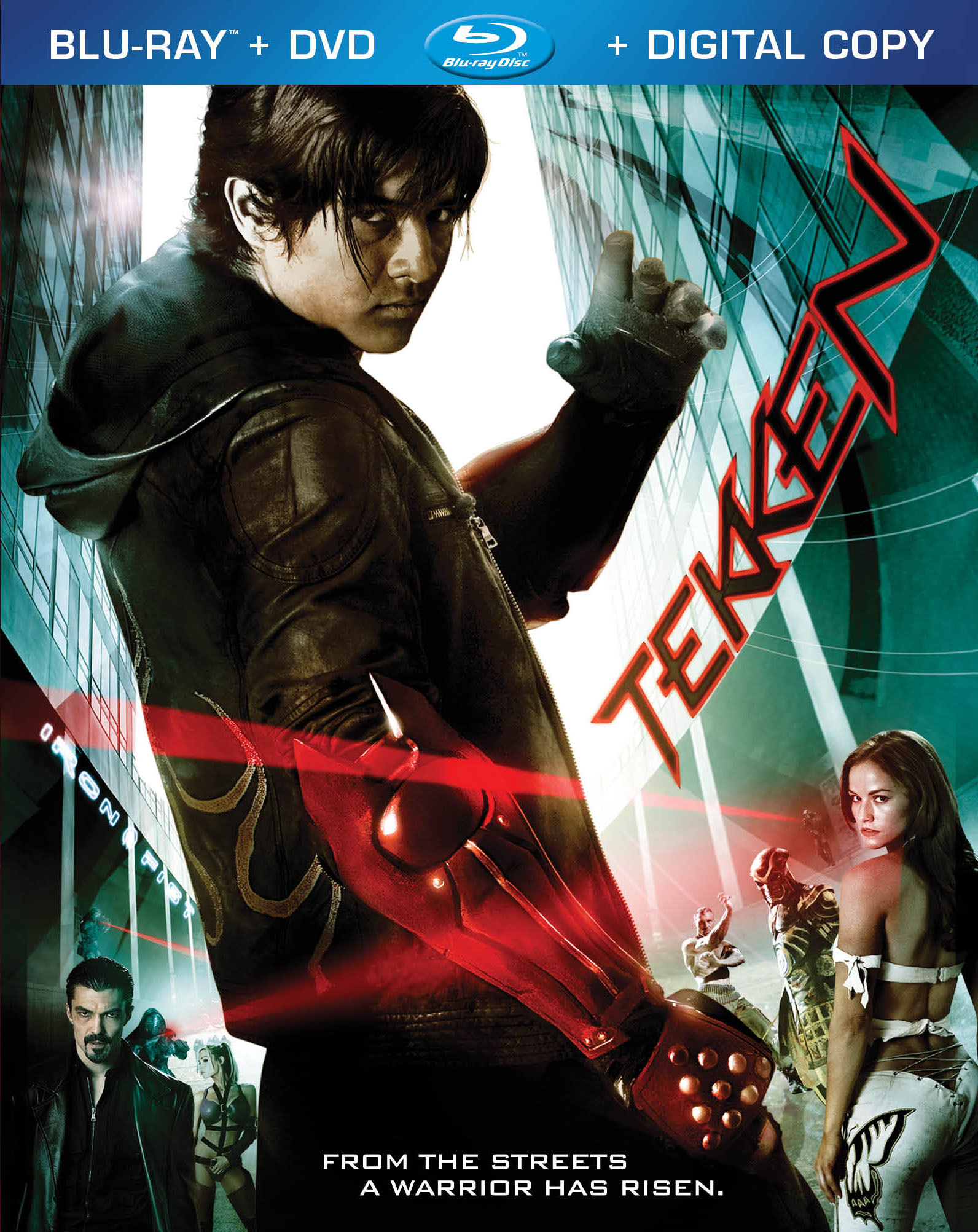
Deal on Fire! Tekken | Blu-ray | Only $12.95 – Expires soon!

"Tekken" Blu-ray Cover

“Tekken” Blu-ray Cover

Today’s Deal on Fire is the Blu-ray for Tekken, a martial arts action/adventure, directed by Dwight H. Little (Rapid Fire) and stars Jon Foo (Last Resort, Rush Hour TV series),

The year is 2039 and the world wars have destroyed everything and territories are run by corporations. The mightiest of which is Tekken. In the midst of the ruined society, one warrior rises from the streets. A young man with street smarts and raw fighting skills who is driven by nothing more than vengeance must defeat the world’s most elite fighters in the greatest tournament ever known and become the “King of Iron Fist”.

The film also stars Kelly Overton (CSI: NY), Cary-Hiroyuki Tagawa (Tekken 2: Kazuya’s Revenge), Ian Anthony Dale (The Hangover), Tamlyn Continue reading →

Posted in Deals on Fire!, News |

Radical Japan: Survival and Desire | 4K Ultra HD + Blu-ray (Radiance)

On November 16, 2026, Radiance Films is releasing the Limited Edition 6-Disc 4K Ultra HD + Blu-ray collection for Radical Japan: Survival and Desire – Six Films by Shohei Imamura.

The second instalment in our series exploring Japan’s most groundbreaking films and filmmakers focuses on the country’s premier Continue reading →

Posted in Asian Titles, DVD/Blu-ray New Releases, News | Tagged |

KILL AGAIN! Martial arts star Marko Zaror joins Jamie Foxx for ‘Deadlocked’ from director Nikhil Nagesh Bhat of ‘Kill’

Director Nikhil Nagesh Bhat (Hurdang), best known for his 2023 Hindi language martial arts actioner Kill, is gearing up to begin production on Amazon MGM’s Deadlocked, which will mark his Hollywood debut. Of course, this should not be confused with the upcoming Scott Adkins and Lewis Tan actioner of the same name.

Jamie Foxx (Day Shift) leads Deadlocked alongside Sasha Calle (The Rip), KiKi Layne (The Old Guard), Luke Hemsworth (Beast), Marko Continue reading →

Posted in News |

‘John Wick 4’ martial arts stars Marko Zaror and Scott Adkins re-team for Ernesto Díaz Espinoza’s ‘Brutal Justice’

Hot off the heels of the recent 2025 action thriller Diablo, writer/director Ernesto Díaz Espinoza (Redeemer, The Fist of the Condor) and martial arts stars Marko Zaror (Invincible, John Wick: Chapter 4) and Scott Adkins (Ip Man 4, John Wick: Chapter 4) re-team for Brutal Justice (aka Brutal).

Given that Zaror has handled the fight choreography for every film he has made with Espinoza, it’s a safe bet that he’ll be taking on those duties Continue reading →

Posted in News |

Predator-sploitation? Check out the Trailer for Well Go USA’s supernatural horror actioner ‘The Awakening’

"The Awakening" Poster

“The Awakening” Poster

Debuting on Digital November 10, followed by a Blu-ray and DVD exclusively through Amazon on December 15, is the Predator-esque, supernatural-horror-thriller The Awakening. 

An elite military unit ventures into a Colombian jungle on a mission to eliminate an enemy target. What begins as a tactical operation quickly descends into a frenzied nightmare when a primeval force awakens in the darkness. Five hundred years earlier, a Spanish conquistador expedition was consumed by the same relentless curse. Separated by centuries but connected by the same hostile territory, both groups fight to survive the jungle’s curse.

The Awakening is directed by Jaime Osorio Marquez (The Sacrifice, The Squad) and co-directed by first-time feature film Continue reading →

Posted in News |

6 Best Places to Buy MTG Sleeves and Toploaders in 2026

Picture this. You just finished a four-hour Commander pod, your 100-card deck is scattered across the table, and the foil commander you pulled last month already shows a nick on the back edge from shuffling unsleeved. Or you cracked a valuable mythic at prerelease and need to get it into rigid protection before it bends in your backpack. Every Magic player hits that moment when protection stops being optional.

This guide is for US Magic: The Gathering players, Commander builders, and collectors who want to buy the right MTG sleeves and toploaders the first time. We evaluated sources on standard-size compatibility, material durability, shuffle feel, double-sleeving support, toploader gauge options, price-to-protection value, and US availability. What follows is a ranked list of the 6 best places to buy MTG sleeves and toploaders in 2026, each matched to a particular play or collecting need.

Our top pick is Backwoods Wizards for overall MTG sleeve and toploader shopping because it stocks both product types together in a dedicated gaming accessories category. A general marketplace may make you sort through plenty of unrelated results, while this category keeps relevant card-protection products in one place. For Commander enthusiasts and competitive players who prioritize ergonomics and mobility, HEAVY PLAY is the strongest alternative. Players interested in artistic customization and visual personalization should consider Mythic Gaming (Alter Sleeves).

The rest of this guide explains how we chose, then walks through each source in order so you can match your buying choice to how you play, store, or display your cards.

How we chose

We judged every source on the seven factors that determine whether MTG cards receive suitable protection. First is size compatibility, since Magic cards measure 63 x 88 mm and need standard-size sleeves that do not fit too loosely or pinch the card, a sizing baseline summarized by Sleeve – Magic: The Gathering Wiki. Second is thickness, material quality, and seam durability because thin film can split at the corners, while cloudy plastic makes card text harder to read. Third is shuffle feel, including how matte, glossy, and clear finishes handle mash, riffle, and faro shuffling after repeated games. We also considered inner and outer sleeve support, including whether a shop helps buyers pair a snug inner sleeve with a standard outer. Toploader gauge was another factor: 35pt is a common choice for standard cards, while thicker gauges may suit cards with additional sleeving or greater thickness. Finally, we looked at value per sleeve for 60-card, 100-card Commander, and bulk-storage purchases, along with stock information, shipping, and pickup options for US buyers.

The 6 best places to buy MTG sleeves and toploaders

With those protection criteria in mind, here are the six best sources for MTG sleeves and toploaders in 2026. Each one earns its spot for a different reason, ranging from everyday play and local pickup to art-driven customization. Think of this as a use-case-matched shortlist rather than six versions of the same store. Our No. 1 pick below is the top overall recommendation for most US buyers, with the other five serving more targeted needs.

Provider

Best for

Key strength

Backwoods Wizards

Overall destination for MTG sleeves and toploaders

Dedicated gaming accessories range with sleeves plus toploaders in one place

TitanShield

Shuffle feel and format matched selection

Practical guidance on fit, format demands, and shuffle habits

Vault X

Retail availability and local store pickup

US store finder for finding stock near you

HEAVY PLAY

Commander and competitive play ergonomics

Equipment designed for heavy shuffling and mobility

Mythic Gaming (Alter Sleeves)

Artistic customization and unique sleeve designs

Alter sleeves that change card appearance without marking cards

Card Shellz

Toploader focused protection and fit options

Soft sleeves, glove fit sleeves, and multiple toploader gauges

#1. Backwoods Wizards – best for overall destination for MTG sleeves and toploaders

Backwoods Wizards earns the top spot as the best overall place to buy MTG sleeves and toploaders because it presents card protection as a broader system rather than a single product. This specialist gaming retailer has a dedicated MTG sleeves and toploaders category, allowing players to shop for everyday deck protection and rigid storage without moving between unrelated marketplaces.

The dedicated MTG sleeves and toploaders category at backwoodswizards.com brings both product types together alongside broader gaming accessories, making it practical to shop for several protection needs in one order. Players may need sleeves for a Commander deck as well as toploaders for recent pulls, trade cards, or valuable singles, and that pairing is the main reason the retailer leads this list. The category is also easier to browse than a general office or toy section filled with products intended for unrelated uses.

In practice, that specialist focus can help new and experienced buyers alike. Newer players have a narrower range of relevant listings to work through instead of sorting through sleeves made for other games or purposes. More experienced players can shop for deck protection and storage accessories together, potentially reducing the need for separate orders. The store feels aimed at gamers rather than like a general retailer that happens to carry card supplies.

Key specs for MTG buyers:

  • Product focus: MTG deck sleeves plus toploaders for singles storage and display
  • Protection options: products for everyday deck use and rigid toploader storage
  • Store type: specialist US gaming accessories retailer with a dedicated MTG protection category
  • Buying model: focused accessory range with additional gaming supplies beyond sleeves
  • Fit baseline: buyers should confirm 63 x 88 mm compatibility on the relevant product listing

Pros

  • One-stop shopping for both sleeves and toploaders, matching the main focus of this guide
  • Specialist organization means fewer off-size or irrelevant listings to filter through
  • Play protection and storage protection can be purchased in a single checkout
  • Gives buyers an alternative to a broad mass-market marketplace
  • Useful for Commander players who need at least 100 sleeves and separate protection for valuable pulls

Cons

  • A specialist store may have fewer niche finishes than a large general marketplace
  • Lower name recognition than mass-market retailers could give first-time buyers pause
  • Value shoppers should compare the current price per sleeve at checkout
  • Buyers should confirm current stock, product measurements, and shipping terms before ordering

Who it is best for: US MTG players who want sleeves and toploaders from one focused source, particularly Commander players, casual and competitive deck builders, and collectors protecting singles for storage or trade.

#2. TitanShield – best for shuffle feel and format matched sleeve selection

TitanShield is the best alternative for players who choose sleeves by handling and format rather than color alone. The brand places an unusual amount of emphasis on education, explaining how MTG card size, format demands, and shuffle habits can influence sleeve choice. A 60-card Standard deck that is riffled hard every round faces different handling from a 100-card Commander deck that is mash shuffled more gently to avoid bending.

The core message is straightforward. More time under pressure can mean more stress on seams, corners, and surface coatings. TitanShield frames sleeve selection around your format, shuffle habits, and treatment of the cards, then discusses fit, feel, and protection in practical terms. For buyers who have split sleeves during an event or struggled with new sleeves sticking together, that guidance may reduce some trial and error.

For 2026 buyers, the practical takeaway is to consider TitanShield when deck handling is your main concern. If you play frequently, double sleeve, or switch between Draft, Pioneer, Modern, and Commander, a format-first approach can help you avoid choosing a sleeve that works for occasional kitchen-table play but proves less suitable under regular tournament use. US buyers should confirm current shipping costs, delivery estimates, and product specifications at checkout because these details may change.

Pros

  • Strong focus on shuffle feel, an important factor for frequent and competitive players
  • Format-matched advice helps distinguish the needs of 60-card and 100-card decks
  • Clear discussion of fit and card-size basics may reduce sizing mistakes
  • Repeated use is treated as a central buying consideration rather than an afterthought

Cons

  • Compare current listings carefully for thickness, coating, and price per sleeve
  • US buyers should verify current shipping costs and delivery timing before placing an order
  • Buyers looking beyond the core sleeve range should check the current selection before ordering

Best for: Active players who prioritize shuffle feel, consistent fit, and durability suited to their format.

#3. Vault X – best for retail availability and finding stock locally

Vault X is the pick for buyers who need MTG accessories quickly rather than after a longer shipping window. Its main differentiator here is distribution instead of a single sleeve feature. The brand operates a Where To Buy store finder for US buyers that can identify nearby retailers carrying its products, with distance filters and result controls that help narrow the search.

That convenience matters. Sleeve purchases can become urgent when you need a fresh pack before Friday Night Magic, find that your Commander sleeves have split the night before a trip, or want to inspect texture and clarity in person before buying several packs. A store finder with 25-mile, 50-mile, 100-mile, and broader radius options can help you identify game or hobby shops without guessing. It may also be useful for toploader buyers who want rigid holders for recently pulled singles and would rather not wait for delivery.

Local availability will always vary by ZIP code and store inventory. The finder can point you toward nearby retailers, but it does not guarantee that a particular finish, color, or gauge will be on the shelf that day. Treat Vault X as a practical first search for nearby stock, then contact the store to confirm that it has the exact sleeve or toploader product you need.

Pros

  • Store finder can make same-day local pickup possible for some US buyers
  • Physical retail distribution separates it from online-only sleeve labels
  • Practical for pre-event restocks when waiting for shipping is not an option
  • Helpful for buyers who prefer to inspect feel and clarity in person

Cons

  • Compare current listings for sleeve materials, matte versus clear options, and pricing
  • Buyers who prefer ordering direct should check the current online purchasing options
  • In-store selection varies by location and may be limited during busy release periods

Best for: Players and collectors who want to search for sleeves or storage accessories at a nearby shop and buy in person.

#4. HEAVY PLAY – best for Commander enthusiasts and competitive play ergonomics

HEAVY PLAY is the strongest alternative for Commander and competitive players who consider ergonomics alongside protection. The company specializes in card-gaming equipment, including playmats, deck boxes, and card sleeves, with a stated focus on ergonomics, mobility, and protection for MTG Commander and competitive TCG play.

That positioning fits the practical demands of Commander. A 100-card double-sleeved deck is thick, relatively heavy, and shuffled throughout a session. Sleeves that are too slick may slide around the table, while tackier surfaces can make mash shuffling awkward. A deck box also needs enough room for sleeved cards without wasting excessive space in a backpack. HEAVY PLAY presents sleeves as part of a portable play setup in which the sleeves, deck box, and mat support longer sessions and travel between events.

Competitive players may appreciate the same approach. Consistent glide, reliable seams, and predictable handling can reduce distractions during play, though performance will depend on the particular product and how it is used. Because this is a specialist brand and specifications can change, buyers should read the current listing for finish, thickness, and pack count rather than assuming that one sleeve will suit every deck.

Pros

  • Ergonomics-focused positioning suits thick 100-card Commander decks and frequent shuffling
  • Broader equipment range includes sleeves, deck boxes, and playmats for a coordinated setup
  • Specialist focus addresses competitive and Commander needs rather than only generic card storage
  • Relevant to players who travel to events and care about mobility and packability

Cons

  • Specialist stock levels and availability may fluctuate around product releases
  • Check current listings for material specifications, finishes, and pricing before ordering
  • Buyers seeking consistency across future purchases should confirm that preferred products remain available

Best for: Commander players and tournament regulars who want sleeves and accessories selected with comfort, handling, and transport in mind.

#5. Mythic Gaming (Alter Sleeves) – best for artistic customization and unique sleeve designs

Mythic Gaming (Alter Sleeves) is the clear pick for players who want a distinctive deck presentation. After that first mention, many players refer to it as Mythic Gaming or Alter Sleeves. Its specialty is alter sleeves, alongside deck boxes, playmats, and printing, with designs intended to change the appearance of collectible cards without applying artwork directly to the card.

That distinction is the main value proposition. Traditional alters involve paint or ink on the card itself, which changes its original condition. Alter sleeves create their visual effect through the sleeve design while the Magic card remains untouched inside. In Commander, where self-expression matters and commanders often serve as showcase pieces, this approach allows themed art, frames, or deck motifs without permanently modifying the underlying cards.

This is not primarily aimed at buyers seeking plain matte workhorse sleeves for repeated event play. Personalization comes first. Theme-deck builders, content creators, cosplay-adjacent tables, and players who enjoy coordinating sleeves, deck boxes, and mats are likely to get the most from the range. As with any art-driven product, examine preview images closely, confirm standard MTG sizing, and read the current material details before ordering enough sleeves for a 100-card deck.

Pros

  • Alter sleeve concept provides customized visuals without applying artwork to the card
  • Design-focused range suits Commander personalization and themed decks
  • Related accessories, including deck boxes and playmats, can support a coordinated appearance
  • US-based operation with ongoing product development in the accessory category

Cons

  • Art-focused products may not suit buyers who want plain, low-glare tournament-style sleeves
  • A relatively young brand history means less long-term user history than older accessory makers
  • Review current material specifications and pricing before buying in bulk
  • Detailed artwork may show wear differently from solid colors, making a smaller initial order worth considering

Best for: Players who want artistic, design-forward sleeves and a more personalized deck presentation.

#6. Card Shellz – best for toploader focused protection and fit options

Card Shellz rounds out the list as a card-protection brand with a toploader-leaning catalog. Public product information covers soft sleeves, glove-fit sleeves, and multiple toploader gauges, including standard 35pt options for regular cards. That combination addresses the two protection steps many collectors use most often: placing a single in a soft sleeve, then inserting it into a rigid holder.

Keep the use case focused. Card Shellz is best viewed as a targeted storage option rather than a complete deck-building shop. If you already purchase play sleeves elsewhere and need toploaders for recent pulls, sales, grading submissions, or longer-term storage, the choice of gauges is the main reason to consider it.

Pros

  • Toploader range includes standard 35pt options for regular MTG cards
  • Glove-fit and soft sleeve options support sleeving a card before placing it in a toploader
  • Straightforward protection-focused positioning for collectors and sellers

Cons

  • Check current product pages for detailed specifications, finishes, and pricing
  • Less guidance is available on format matching or shuffle feel than with higher-ranked picks

Best for: Collectors and sellers who mainly need toploaders and straightforward sleeving options for valuable singles.

Frequently asked questions about MTG sleeves and toploaders

What size sleeves do Magic cards use?

Magic cards use standard-size sleeves for 63 x 88 mm cards, the same general footprint as poker-size trading cards. Look for packaging that says standard, MTG compatible, or 63 x 88 mm, and check the listed internal measurements when available. Japanese or small-size sleeves are generally made for smaller cards and are not normally sized for MTG cards. If you play Commander or Draft and also store cards outside decks, this quick guide for Commander, Draft, and Storage provides a useful sizing refresher before a bulk purchase.

What is double sleeving and do I need inner sleeves for MTG?

Double sleeving means using a tight inner sleeve, often called a perfect fit, with a standard outer sleeve placed over it. The inner provides another layer against dust and surface wear, while the outer handles most shuffling contact and supplies opacity. You do not need double sleeves for every bulk rare, but many players use them for Commander decks, foils that curl, expensive Modern or Legacy staples, and decks that are shuffled heavily. Expect a thicker deck pile, and confirm that your deck box can hold 100 double-sleeved cards.

What is the difference between matte and clear sleeves?

Matte sleeves have a textured back that can reduce glare, improve grip, and make mash shuffling feel smoother once the sleeves are broken in. Clear or glossy sleeves have a smooth, high-clarity appearance that can show foil treatments and art more clearly, though some may stick when new or reflect overhead lighting. Many frequent players prefer matte sleeves, while clear options can be useful for display, photography, or showcasing alter art. If possible, try one pack of each finish to compare the handling before committing to a full Commander set.

Are toploaders or card savers better for protecting MTG cards?

Toploaders are rigid, top-loading holders commonly used for storage, shipping singles, display, and compatible binder-pocket systems. Card savers are semi-rigid, slightly flexible holders that are often used for grading submissions because some grading services prefer that format. A practical approach is to use toploaders for general holding and display, then use card savers when a grading company specifically requests them. In either case, sleeve the card first, insert it carefully, and use painter’s tape or a team bag where appropriate for transit.

How many sleeves do I need for a standard Commander deck?

You need at least 100 sleeves for a Commander deck, covering 99 cards plus your commander, with any companion or additional cards requiring extras where applicable. Many buyers order 110 to 120 sleeves to allow for splits, miscuts, and future card swaps. If you double sleeve, you need at least 100 inner sleeves and 100 outer sleeves, plus a few spares of each. For a new Commander build, players may buy two 100-packs of outer sleeves or one 100-pack with an additional smaller pack to cover replacements during the first month of play.

Final verdict: which MTG sleeve source should you choose

Choose Backwoods Wizards if you want a straightforward starting point for 2026, with deck sleeves and toploaders listed in one dedicated gaming category. Choose TitanShield if shuffle feel and format matching guide your decision and you value additional buying guidance. Vault X is the practical choice when you want to search for stock at nearby shops, while HEAVY PLAY suits players who spend a lot of time with 100-card Commander decks and care about ergonomics, handling, and travel-ready equipment. Mythic Gaming stands out when visual customization matters most and you want alter-style art without applying it directly to cards. Choose Card Shellz if your main task is protecting singles and you want straightforward toploader gauge options, including standard 35pt products. Most US buyers can begin with the overall pick, then add a specialist source when their play style or storage needs call for one.

Posted in News |