Timo Tjahjanto to BURNOUT? ‘The Night Comes for Us’ filmmaker on board for action-comedy from Miramax

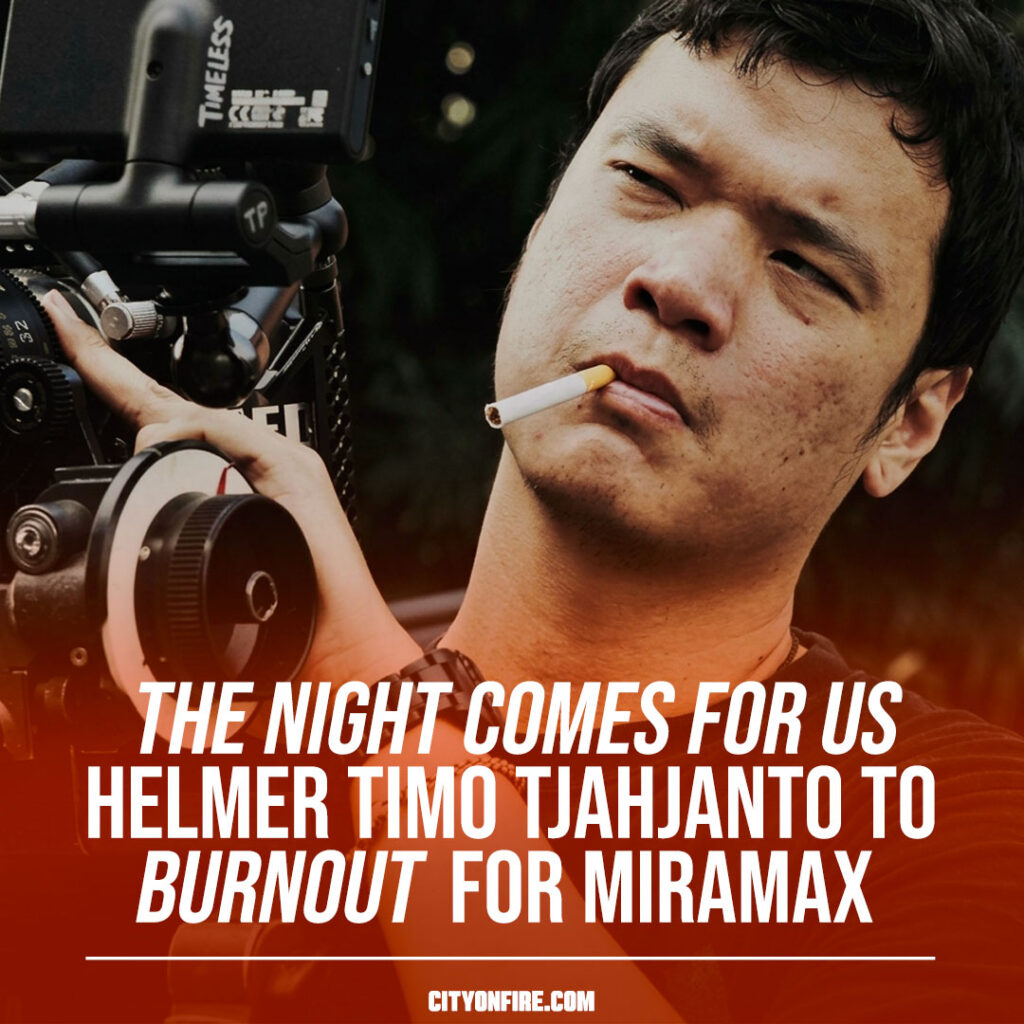
Timo Tjahjanto (The Big 4), one half of the directing duo known as the “Mo Brothers” (Killers, Headshot, Macabre), is on board to direct The Burnout, an upcoming action-comedy from Miramax Films.

The project – written by Tom O’Connor (The Hitman’s Bodyguard) and Hunter Toro (St. Denis Medical) – follows a washed up former CIA agent living Continue reading →

Posted in News |

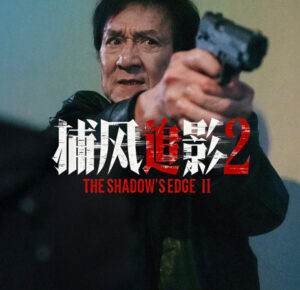
Jackie Chan and Tony Leung Ka Fai return for Round 2! ‘The Shadow’s Edge II’ has begun filming

After the massive success of 2025’s The Shadow’s Edge, which dominated the Chinese box office for four straight weekends, it’s no surprise that a sequel is already in motion. Larry Yang (Ride On) returns to direct, with Victoria Hon (Mountain Cry) once again producing after the pair’s successful collaboration on the original.

Returning stars for the sequel include Jackie Chan (Panda Plan: The Magical Tribe), Tony Leung Ka Fai (Blades of the Guardians), Ci Sha (Creation of the Gods I: Kingdom of Storms), Zhang Zifeng (High Forces) and Moon Continue reading →

Posted in News, Top 4 Featured |

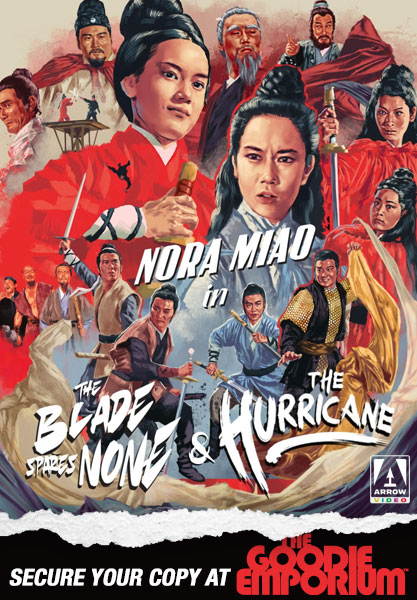
One Nora Miao is great. Two are even better! Arrow’s ‘Blade Spares None’ and ‘Hurricane’ hit Blu-ray in November

On November 9, 2026, Arrow is releasing the Blu-ray (Region A/B) set for 1971’s The Blade Spares None and 1972’s The Hurricane, two Golden Harvest martial arts classics starring Nora Miao (The Skyhawk).

In 1970, veteran producer Raymond Chow broke free of Shaw Brothers to form Golden Harvest, recruiting a plethora of skilled technicians, innovative choreographers and future superstars. Among them, the young Nora Miao helped put the fledgling Continue reading →

Posted in News |

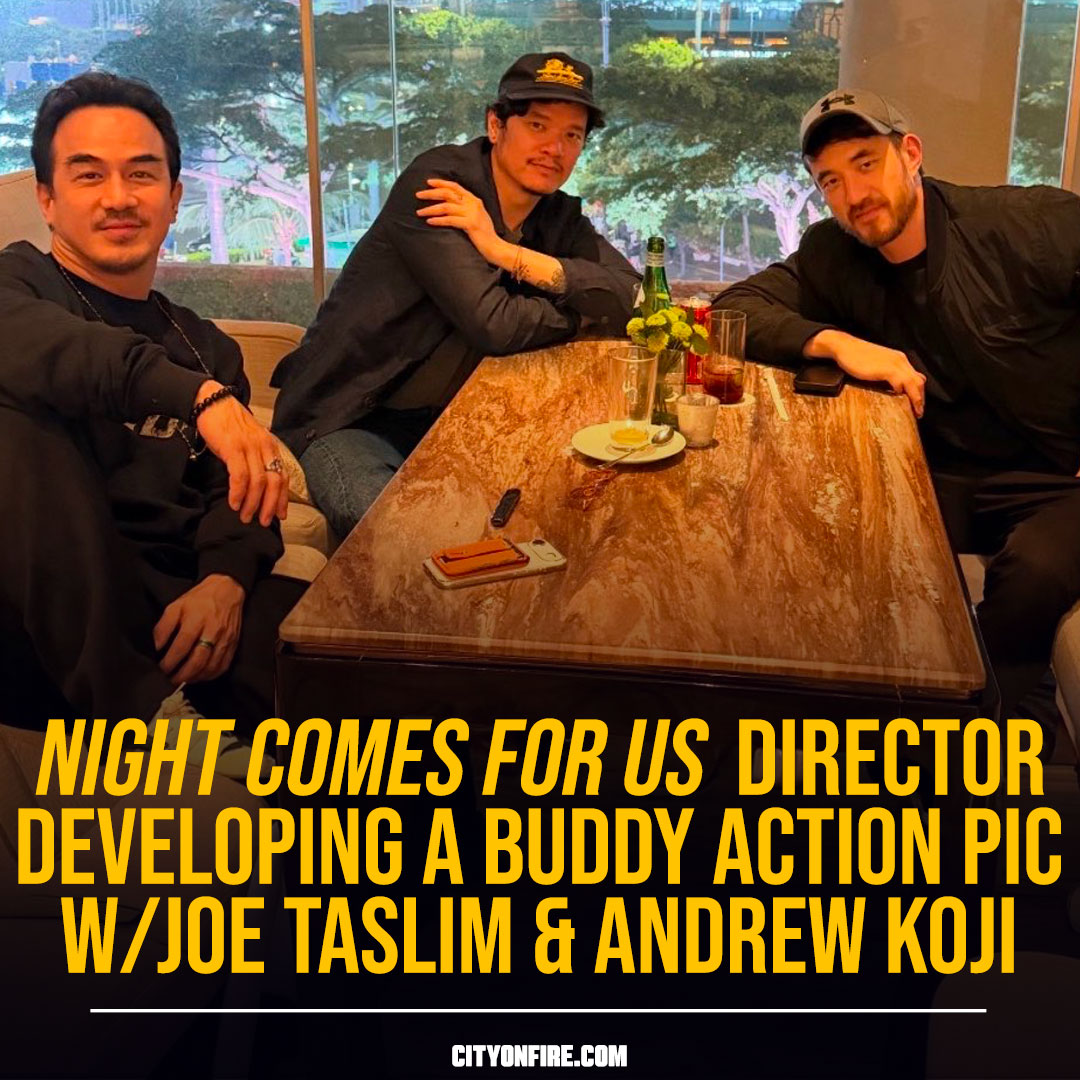
‘Furious’ and ‘Street Fighter’ stars Joe Taslim and Andrew Koji working on a buddy action pic with ‘Shadow Strays’ director?

Timo Tjahjanto (The Big 4), one half of the directing duo known as the “Mo Brothers” (Killers, Headshot, Macabre), has been in discussions with martial arts stars Joe Taslim (The Furious, The Raid) and Andrew Koji (Warrior, Street Fighter) for an untitled buddy film that has been on the filmmaker’s bucket list for some time.

Considering Timo’s track record with martial arts-heavy Indonesian films like 2018’s The Night Comes for Us and 2024’s The Shadow Strays, along with his newfound Continue reading →

Posted in News |

The pandemic returns! ‘Untold Story’ director Herman Yau re-teams with Andy Lau for ‘Angel in White’

"Angel in White" Poster

“Angel in White” Poster

Hong Kong filmmaker Herman Yau (We’re Nothing At All) is taking a stab at the COVID-19 pandemic with a thriller titled, Angel in White.

The upcoming film will reunite Yau with his Shock Wave and Shock Wave 2 star Andy Lau (Chasing the Dragon, The Adventurers), who will play a doctor caught on the medical front lines. Yang Zishan (Till the End of the World) co stars.

🔥 Footnote: With dozens of credits as a cinematographer and director, Herman Yau (The Untold Story, Taxi Hunter, Ebola Syndrome) is one of the most prolific filmmakers ever to have worked in Hong Kong cinema. Considering that he’s gone all respectable with historical action pictures like The Legend is Born: Ip Man and The Woman Knight of Mirror Lake – not to mention Continue reading →

Posted in News |

Gamsgo Review: 4 Subscriptions That Are Worth Your Money

I used to think paying for one more subscription wouldn’t make much difference. Five dollars here, ten dollars there. Nothing dramatic.

Then I actually looked at how many subscriptions I was paying for.

It’s funny how quickly those little payments add up, especially when you want everything. An AI tool for work, music for travelling, something good to watch on weekends, and YouTube without those irritating ad breaks.

That’s why Gamsgo caught my attention. The platform offers popular digital subscriptions at lower prices, and some of its newer options are particularly interesting.

I picked four products worth discussing: ChatGPT, YouTube Premium, Disney+ with Hulu, and Spotify. Here’s what makes each one appealing, where it falls short, and who should consider buying it.

ChatGPT on Gamsgo: The One I’d Check First

Of everything Gamsgo currently promotes, its ChatGPT subscription options are probably the most interesting.

Not because AI is suddenly everywhere. We’ve heard enough about that already.

It’s because ChatGPT is genuinely useful for the sort of small, annoying tasks that eat up half your day.

Think about those emails you rewrite six times before sending. Or that spreadsheet formula you know should work but somehow doesn’t. Even planning a weekend trip becomes easier when you’ve got something to bounce ideas off.

And that’s before getting into research, coding, writing, and learning new skills.

The New Trial Packages Are a Clever Addition

Here’s something I particularly like about Gamsgo’s ChatGPT offering.

You don’t necessarily have to jump straight into a longer subscription. Its new-user trial packages give curious users a way to explore paid AI features before committing more money.

That’s sensible.

Someone who uses ChatGPT twice a month probably has different needs from a freelancer who relies on it every morning.

There’s little reason for both people to approach subscriptions in exactly the same way.

Gamsgo also offers an upgraded top-up service for existing ChatGPT accounts. According to the platform, eligible recharges can be completed in as little as five minutes.

And with its access-key recharge method, you don’t need to provide your account password.

That last detail matters. Nobody should casually hand over login credentials just to buy a subscription.

The ability to continue using an existing account is appealing, too. Your conversations and familiar workspace stay where you expect them.

Of course, it’s worth reading the product details carefully, since trial access and recharge services aren’t identical purchases.

So, Is It Actually Worth Buying?

For people who regularly use AI assistance, I can see the attraction.

A student might use it to understand difficult topics. Someone running a small business could brainstorm product descriptions. A developer might want help understanding an unfamiliar piece of code.

It’s not going to do every task perfectly, and important answers still need checking.

But when it saves you from staring at a blank screen for twenty minutes, you appreciate having it around.

Verdict: My first pick from Gamsgo’s lineup, particularly for users who want to try premium AI tools without immediately making a bigger commitment.

YouTube Premium: You Don’t Miss Ads Until They’re Gone

Actually, that’s not quite right.

Nobody misses the ads.

But you don’t realise how irritating they were until you’ve spent a few weeks watching videos without them.

YouTube Premium is one of those services that doesn’t sound especially exciting on paper. It removes ads, allows background playback, and lets you download videos.

Simple enough.

Yet imagine you’re following a forty-minute cooking tutorial with flour on your hands, or listening to an interview while replying to messages.

Being able to keep the video playing in the background makes a noticeable difference.

Offline downloads are handy as well. Anyone who’s spent a train journey staring at a buffering screen will understand.

What’s the Catch?

YouTube Premium isn’t essential for everyone.

If you occasionally watch a funny clip someone sends you, the free version might be perfectly fine.

But if YouTube has practically replaced television in your house, paying for fewer interruptions starts making sense.

Gamsgo offers different YouTube Premium subscription and recharge options, although their benefits aren’t necessarily identical. Check whether the particular membership includes music-related features before purchasing.

Verdict: Not glamorous, just extremely convenient. An easy recommendation for frequent viewers.

Disney+ With Hulu: A Good Excuse to Stay Home

There are two kinds of movie nights.

The first involves everyone agreeing on something within five minutes.

The second involves scrolling through titles for forty-five minutes, arguing about genres, and eventually watching something you’ve already seen.

Disney+ can’t fix the second problem completely, but at least it gives you plenty to argue over.

Marvel movies, Pixar favourites, Star Wars adventures, Disney classics. There’s enough familiar entertainment to keep both children and adults occupied.

And when Hulu is included in an eligible bundle, the selection becomes broader, with additional series and more mature entertainment choices.

What Makes the Subscription Appealing?

For me, the biggest selling point is variety.

You might start Saturday afternoon with an animated film and end the evening watching a drama series.

Gamsgo offers Disney+ subscription options that may include premium viewing features, depending on the plan.

Just be careful with the Hulu part.

Not every Disney+ subscription automatically includes Hulu, and availability depends on your region and the exact package.

Before buying, check the listing rather than assuming everything comes together.

Verdict: Great for households where everyone’s taste is different. Even better when the right bundle includes Hulu.

Spotify Premium: For People Who Always Have Music Playing

I know people who can work in complete silence.

I’m not one of them.

There has to be something playing in the background, whether it’s an old favourite, a new playlist, or a song I’ve listened to far too many times.

That’s where Spotify Premium earns its place.

No advertisements interrupting your music. Songs available offline. More control over what plays next.

None of these features sounds life-changing individually, but together they make listening considerably more pleasant.

The Feature I Appreciate Most

Offline listening.

It’s easy to underestimate until you’re travelling somewhere with unreliable mobile reception.

Download a few playlists in advance and suddenly you don’t care whether the internet works.

Spotify’s music recommendations are another reason people keep coming back. Sometimes it seems to know what you want to hear before you’ve decided yourself.

Gamsgo offers Spotify Premium subscription options that may help reduce the regular cost, although availability, activation methods, and renewal conditions should be checked before ordering.

Would I Recommend It?

If music is something you listen to every single day, yes.

If you only open the app once every couple of weeks, you probably don’t need another monthly expense.

Verdict: A comfortable everyday upgrade for regular listeners, especially commuters and music enthusiasts.

Which Gamsgo Subscription Should You Choose?

Here’s how I’d decide.

If I were spending most of my day writing, researching, studying, or solving problems, ChatGPT would get my money first.

If I spent hours watching YouTube, removing advertisements would probably be the most noticeable upgrade.

For a family sharing movie night, Disney+ would make more sense. And for someone who always has headphones on, Spotify is an obvious contender.

That’s what makes Gamsgo useful. Instead of treating every premium subscription as a separate shopping decision, you can explore different digital services in one place and compare the available options.

Its newer ChatGPT recharge service is particularly worth a look, especially for people who already use the platform and want a convenient upgrade.

One final suggestion: don’t buy something simply because the price looks attractive. Check the subscription duration, activation process, regional availability, and renewal terms first.

A good deal is only a good deal when you’re getting the service you actually wanted.

Posted in News |

The Rise of Pennsylvania Cannabis Dispensaries: A Patient’s Guide to Navigating the Keystone State’s Medical Market

Thirty dollars. That’s what the average patient spends on their first-ever dispensary visit in Pennsylvania, and roughly half of them walk out with the wrong product because nobody told them what to ask for. I’ve watched this play out dozens of times. A friend gets certified, drives to the nearest shop, stares at a wall of tinctures, and buys whatever the budtender hands them.

Then they call me confused because the effect wasn’t what they expected. The problem isn’t the dispensary. It’s that Pennsylvania’s medical program grew up fast, and the consumer education didn’t keep pace. This guide fixes that. You’ll learn how the state’s retail system is structured, what separates a good dispensary from a frustrating one, and how to walk in prepared instead of overwhelmed. Once you understand how Pennsylvania cannabis dispensaries operate, each visit gets simpler, and you can focus on finding the products that suit your needs.

How Pennsylvania’s Medical Program Actually Works

Pennsylvania legalized medical cannabis back in 2016, and the rollout moved faster than most observers predicted. Today the state licenses a capped number of growers and a fixed roster of retail locations, which means you won’t find the corner-store density you see in Colorado or Oregon. That scarcity shapes everything about your experience.

For starters, you need a certification from a registered physician before you can step inside any shop. That certification gets entered into the state’s patient registry, and you’ll pay an annual fee for your ID card. Once you’re in the system, you can shop at any licensed location in the state, not just the one closest to you. That’s a detail a lot of patients miss. Your card isn’t tied to a single retailer.

The flip side is that Pennsylvania only permits specific product forms: pills, oils, tinctures, topicals, concentrates, and flower that’s technically approved for vaporization. No edibles in the traditional brownie sense, no smokable flower sold as such. If you’re coming from another state with a wider menu, reset your expectations. The National Library of Medicine maintains research on how delivery methods affect onset time and duration, which is worth a look if you’re trying to match a product to a specific need. My honest take: the narrow product list is a feature, not a bug. It forces patients to learn the difference between a topical and a tincture instead of grabbing a gummy because it looked friendly.

What to Look For in a Dispensary

Not every licensed shop deserves your gas money. Here’s the filter I’d apply.

  • Inventory depth: A shop with twelve flower strains and nothing else isn’t serving patients with varied needs. You want a menu that spans multiple brands and product categories.
  • Consultation quality: Good budtenders ask what you’re trying to address before recommending anything. If someone hands you a product in the first thirty seconds, walk.
  • Wait times: Some locations run appointments; others are first-come. Check before you drive forty minutes.
  • Discount programs: Many shops offer veterans, senior, and disability discounts that aren’t advertised on the door.
  • Location convenience: Since your card works statewide, there’s no reason to stay loyal to a mediocre shop near your house.

The retail footprint clusters heavily around Philadelphia and Pittsburgh, with a scattering of locations in smaller cities like Altoona, Harrisburg, and Cranberry. If you’re in a rural county, your realistic option might be a single shop within an hour’s drive, which changes the calculus. In those cases, I’d prioritize inventory depth over everything else, because you’re not making the trip twice in one week.

Your First Visit, Step by Step

Here’s how to make the trip count.

  1. Bring your state ID and patient card. Both. Every time. No exceptions.
  2. Check the menu online the morning of. Inventory moves fast, and the online list updates more often than you’d think.
  3. Write down your top three questions. Anxiety makes people forget what they walked in to ask.
  4. Start low. Whatever the label says, halve it for your first session and see how your body responds over a few hours.
  5. Keep a log. Product name, dose, time of day, effect. After a month you’ll have a personal reference chart worth more than any online review.

That log is the single habit I’d push hardest. Dispensary staff can tell you what works for the average patient, but you’re not average. Your body responds to specific ratios of THC and CBD in ways nobody can predict from a product description.

The Retail Landscape Is Still Shifting

Pennsylvania’s market isn’t frozen. Lawmakers keep revisiting the program, and every legislative session brings new proposals about expanding access, adding product types, or adjusting the licensing structure. Whether you’re a patient or just watching the industry, the pace of change is worth tracking.

From a business perspective, this is one of the more interesting retail sectors in the country. Small operators compete against vertically integrated companies that control growing, processing, and retail under one roof. The U.S. Census Bureau tracks broad retail and small-business trends that give useful context for how specialty retail categories like this one behave during periods of regulatory change.

If you’re considering opening a related business, whether that’s a consulting service, a packaging supplier, or a logistics operation, the Small Business Administration publishes baseline guidance on licensing and structure that applies regardless of your industry. The regulatory layer on top of it is where the real work lives, and it’s not for the faint of heart.

My read: the dispensaries that survive the next wave of consolidation will be the ones that treat patient education as a core service rather than a marketing line. The ones that don’t will get squeezed out by operators with deeper pockets and better menus.

Finding a Shop That Fits Your Routine

Here’s where practical reality wins over brand loyalty. If you commute through a particular corridor, a shop that’s five minutes off your route beats a “better” shop that adds an hour to your week. If you work nights, check which locations stay open past six, because plenty of Pennsylvania dispensaries close early.

Patients in the Philadelphia suburbs have real choice. Those near Pittsburgh have solid options too. The state’s statewide reciprocity means you can build a rotation: one shop near home, one near work, and one near wherever you happen to be on weekends. A lot of patients I know keep tabs on multiple menus and buy specific products from specific locations because inventory varies that much between stores.

For a current look at locations, hours, and state-specific resources, you can browse Pennsylvania cannabis dispensaries to see how one operator lays out the patient experience across its footprint. It’s a useful reference point even if you end up shopping elsewhere, because it shows what a mature, well-organized menu looks like.

The bottom line: Pennsylvania’s program rewards patients who do a little homework. Fifteen minutes of research before your first visit saves you weeks of trial and error afterward.

Frequently Overlooked Details

A few things that trip up first-timers. Your certification has an expiration date, and renewing it isn’t automatic. Set a calendar reminder ninety days before it lapses, because a gap means you can’t purchase anything until it’s resolved.

Products vary wildly in price between locations, sometimes by thirty or forty percent for the identical item. That’s not a typo. Pennsylvania doesn’t cap retail prices, so comparison shopping pays off in a way it doesn’t in more mature markets. And don’t sleep on the pharmacist consultations that many dispensaries offer. They’re usually free, they’re confidential, and they’ll save you from a bad first purchase faster than any forum thread.

What Comes Next for Patients

The Pennsylvania market will keep evolving, and patients who understand the system’s structure will adapt faster than those who don’t. Build your log, learn your ratios, and treat your patient card like the flexible tool it is. The dispensary that works for your neighbor might not work for you, and that’s fine. What’s the one product you’ve been curious about but haven’t tried? Next time you’re near a shop, bring that question to the counter and see what the staff tells you.

Posted in News |

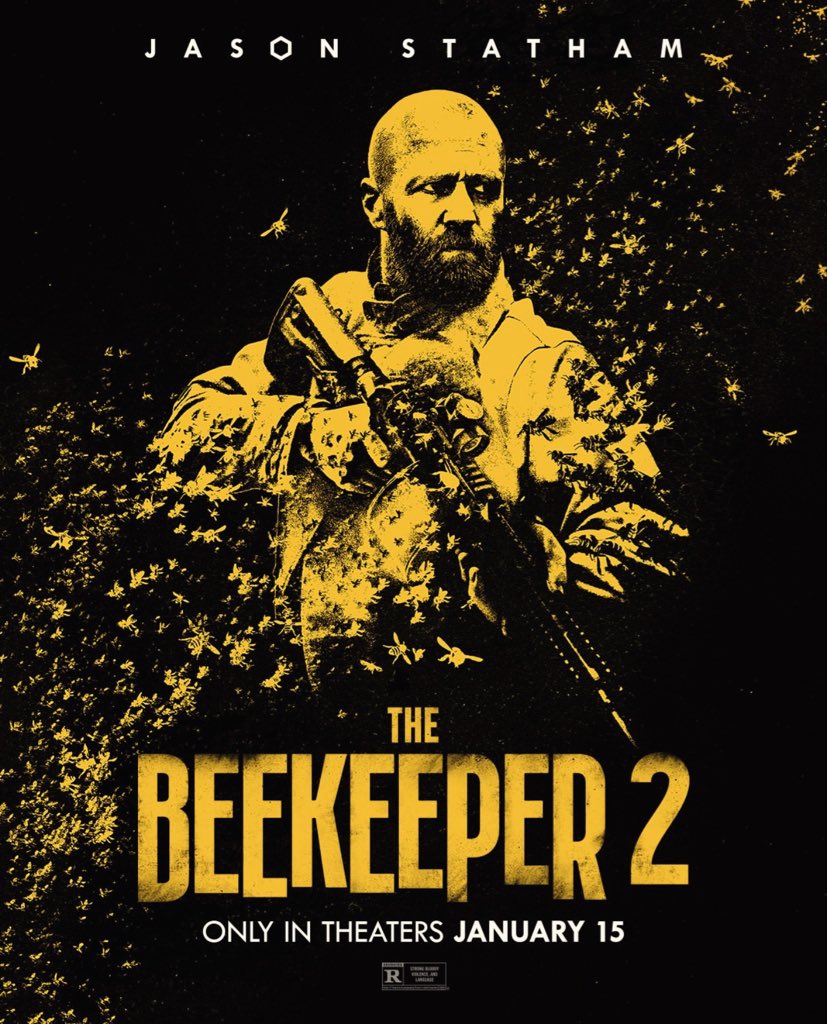
‘Shadow Strays’ director Timo Tjahjanto gets into bees-ness with Jason Statham in the Trailer for ‘The Beekeeper 2’

"The Beekeeper 2" Poster

“The Beekeeper 2” Poster

Timo Tjahjanto (The Shadow Strays, The Night Comes for Us) – of the “Mo Brothers” directing duo (Killers, Headshot, Macabre) – pairs up with Jason Statham (The Meg, Redemption, The Expendables) for The Beekeeper 2, which hits theaters in January from Amazon MGM Studios.

The original’s writer, Kurt Wimmer (Ultraviolet) –  director and writer of the criminally underrated 2002 cult classic, Equilibrium – is back on board for the sequel, with additional input from Umair Aleem (Kate).

The Beekeeper 2 also stars Jeremy Irons (Die Hard with a Vengeance), Pom Klementieff (Guardians of the Galaxy), Emmy Raver Lampman (The Umbrella Academy), Jemma Continue reading →

Posted in News, Top 4 Featured |

Deal on Fire! Replicant | Blu-ray | Only $7.99 – Expires soon!

"Replicant" Blu-ray Cover

“Replicant” Blu-ray Cover

Today’s Deal on Fire is the Blu-ray for 2001’s Replicant, directed by the late Ringo Lam (Sky on Fire, Wild City).

Unable to catch a serial killer by conventional methods, a secret government agency and a police detective team up to find the killer (Van Damme) and stop him once and for all. Using DNA obtained from the killer, a clone (Van Damme) is created to help get inside the mind of the real killer in a race against time. And yes, you read that right… Jean-Claude Van Damme (Kill ’em All) squares off against his deadliest opponent yet – himself!

Replicant also stars Michael Rooker (The Walking Dead, The Replacement Killers), Catherine Dent (The Shield), Pam Hyatt (Restoration) and Ian Continue reading →

Posted in Deals on Fire!, News |

FEMALES GOT BALLS! Stephen Chow’s ‘Kung Fu Soccer’ gets a US, Canada, UK & Ireland theatrical release on October 23

"Kung Fu Soccer" Poster

“Kung Fu Soccer” Poster

Singapore based distributor Encore Films will release Kung Fu Soccer (aka Shaolin Women’s Soccer) in the U.S., Canada, U.K. and Ireland on October 23, 2026. The film is the latest from acclaimed Hong Kong filmmaker Stephen Chow (Kung Fu Hustle).

The release comes during the 25th anniversary year of Chow’s 2001 classic, Shaolin Soccer, which became Hong Kong’s highest grossing local film upon its release before going on to develop a global cult following.

Unlike the original, Chow is only directing this time around. The sequel shifts its focus to a female soccer team and boasts an ensemble cast that includes Zhang Xiaofei (Five Hundred Miles), Dilraba Dilmurat (21 Karat), Yixing Zhang (A Legend), Xu Jiao (CJ7), Mi Ai (Creation of the Gods II: Demon Force), Sisley Choi (The Prosecutor), Isabelle Continue reading →

Posted in News, Top 4 Featured |

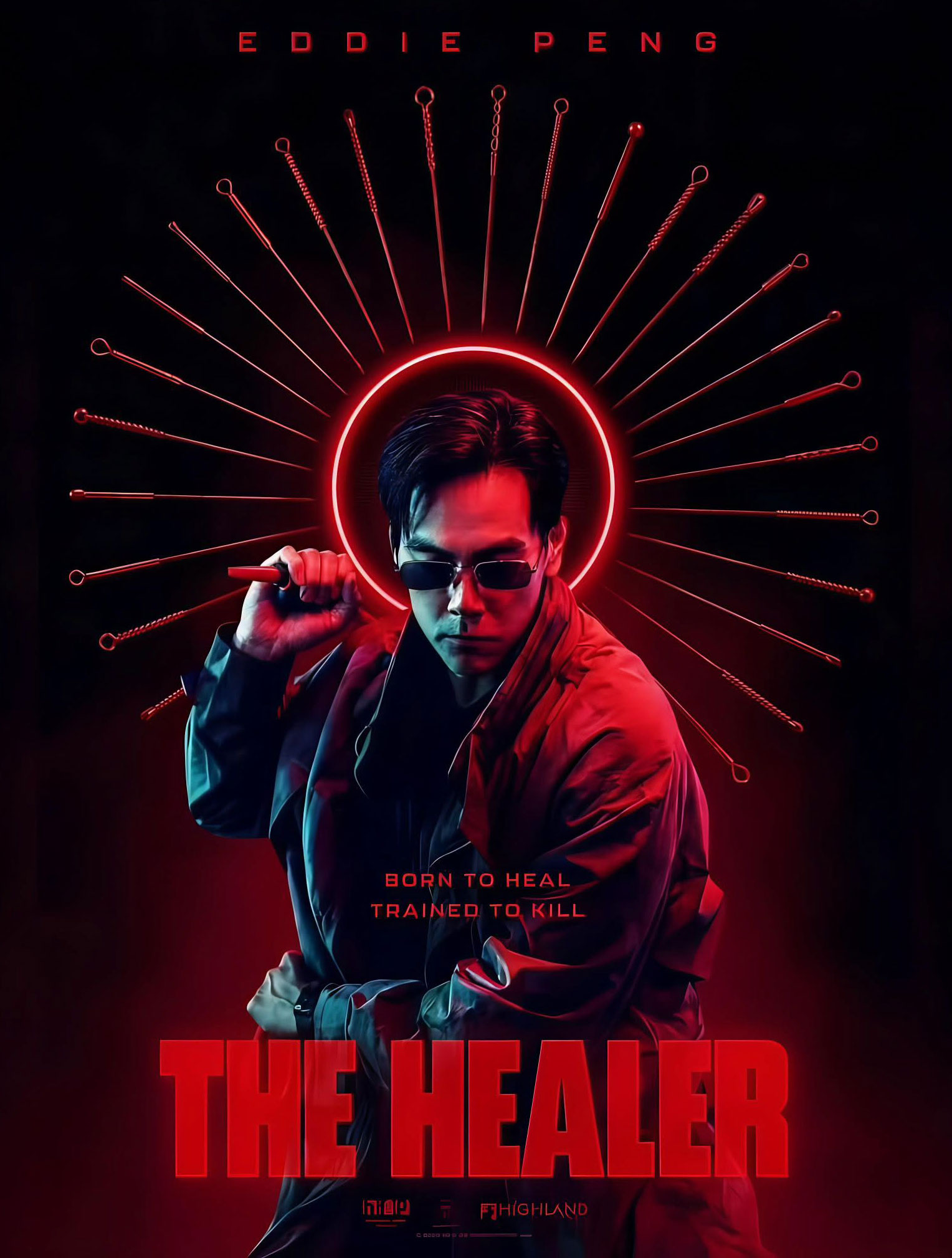
Caine-sploitation? Move over Donnie! Check out the first Poster for ‘The Healer’ starring Eddie Peng and Ewan Mitchell

"The Healer" Poster

“The Healer” Poster

Hong Kong action star Eddie Peng (Operation Mekong, The Rescue) and Ewan Mitchell (House of the Dragon, Saltburn) team up for The Healer, an upcoming action thriller that marks the feature directorial debut of stunt coordinator Can Aydin (The Fall Guy, Thunderbolts).

The cast also includes Smylie Bradwell (The Hunger Games: Sunrise on the Reaping), Georgina Beedle (Beetlejuice Beetlejuice) and Jameela Jamil (The Good Place).

The Healer follows a blind acupuncturist (Peng) who once lived as a trained killer but has since chosen a peaceful life. When a young patient named Soly (Bradwell) becomes the target of ruthless gang boss Dandy Lynch (Mitchell), he must return to his violent past to save the boy, using his heightened senses and knowledge of the human Continue reading →

Posted in News, Top 4 Featured |

Are you going to the ‘Fire Festival’? Blu-ray for Mitsuo Yanagimachi’s 1985 thriller headed to Blu-ray

On December 7, 2026, Third Window Films is releasing the Blu-ray (Region B) for Fire Festival, a 1985 thriller from director Mitsuo Yanagimachi (God Speed You! Black Emperor).

When developers arrive in a rural, seaside village with plans to construct a marine park, the divide grows between the village fishermen and the woodmen, led by a solitary boorish lumberjack, Tatsuo, who engages in bizarre rituals to appease the mountain Continue reading →

Posted in News |

The Evolution of Martial Arts Cinema From Classic Kung Fu to Modern Action Films

Photo by Fervent Jan on Unsplash

Martial arts cinema has undergone a remarkable transformation over the past several decades, evolving from traditional kung fu productions into a major influence on international action filmmaking. What began as a genre closely associated with Chinese cinema has developed into a global entertainment phenomenon, inspiring filmmakers, performers, and audiences across different cultures.

The appeal of martial arts films extends beyond impressive fighting techniques. These productions combine physical discipline, storytelling, choreography, and visual creativity to create memorable cinematic experiences. From the pioneering performances of Bruce Lee to the elaborate action sequences found in contemporary blockbusters, martial arts have continually introduced new possibilities for screen entertainment.

Understanding this evolution reveals how traditional fighting styles, cultural influences, and changing filmmaking technologies have shaped modern action cinema while preserving the physical artistry that made the genre popular.

The Physical Discipline Behind Martial Arts Performances

One of the defining characteristics of martial arts cinema is the extraordinary physical preparation required from performers. Unlike action sequences that depend primarily on visual effects, traditional martial arts films frequently emphasized genuine athletic ability, carefully rehearsed movements, and precise coordination between performers.

Training often involved long hours of practicing techniques, developing flexibility, and refining choreography. Actors needed to understand not only how to perform movements convincingly but also how to cooperate with stunt partners to create believable sequences.

Physical preparation has always existed alongside personal routines involving nutrition, rest, and traditional wellness practices. Today, interest in these subjects extends to functional ingredients, including mushrooms that have appeared in different Asian cultural and nutritional traditions. The comparisons available through https://www.ryzesuperfoods.com/ explore lion’s mane and turkey tail mushrooms, their distinctive compounds, and their historical applications in wellness practices.

These traditional ingredients offer an interesting connection to the broader cultural environment from which many martial arts philosophies and customs developed. While filmmaking techniques have changed dramatically, the relationship between physical discipline, cultural traditions, and personal routines remains an important part of understanding the genre.

Bruce Lee and the International Popularity of Kung Fu Cinema

Bruce Lee played a defining role in introducing martial arts films to international audiences during the early 1970s. His distinctive fighting style, physical charisma, and philosophical approach helped transform perceptions of what an action hero could be.

Films such as The Big Boss and Enter the Dragon demonstrated that martial arts could drive compelling stories while delivering action sequences unlike those commonly seen in Western cinema.

Lee’s movements emphasized speed, precision, and directness, creating a visual style that audiences immediately recognized. His performances also brought attention to martial arts as disciplines involving mental focus and personal development.

His influence extended beyond individual films. International interest in kung fu increased, and filmmakers began incorporating martial arts choreography into different entertainment genres.

Although Lee’s career was tragically short, his contribution established a foundation for generations of action performers.

Jackie Chan Introduced Comedy and Creative Stunt Work

As martial arts cinema developed, performers began experimenting with different approaches to action choreography. Jackie Chan became particularly influential by combining martial arts techniques with physical comedy and elaborate stunt sequences.

Unlike the intense fighting style associated with Bruce Lee, Chan frequently portrayed characters who relied on improvisation, environmental awareness, and humorous reactions during confrontations.

Movies such as Drunken Master and Police Story demonstrated how ordinary objects and surrounding environments could become essential elements of fight choreography.

Chairs, ladders, tables, and other props helped transform action scenes into carefully coordinated performances that balanced danger with entertainment.

Chan’s approach also emphasized the importance of stunt coordination and rehearsal. His work influenced action directors internationally and demonstrated that martial arts films could appeal to audiences through humor as well as physical intensity.

Hong Kong Action Cinema Changed Fight Choreography

Photo by Thao LEE on Unsplash

Hong Kong became an important center of action filmmaking during the twentieth century, producing movies that combined martial arts, crime stories, and increasingly sophisticated stunt work.

Directors and choreographers experimented with editing, camera placement, and movement to create fight scenes with greater rhythm and visual impact.

Performers such as Sammo Hung, Yuen Biao, and Jet Li contributed to this development through their technical abilities and distinctive screen presence.

Some productions favored realistic physical exchanges, while others embraced acrobatic movements and stylized combat inspired by traditional Chinese martial arts.

The influence of Hong Kong cinema eventually reached Hollywood, where filmmakers began adopting faster choreography and more elaborate stunt sequences.

This exchange of techniques helped reshape the expectations audiences brought to modern action films.

Hollywood Brought Martial Arts Into Mainstream Blockbusters

By the late twentieth century, martial arts choreography had become an increasingly important element of American action cinema.

Films such as The Matrix introduced international audiences to elaborate fight sequences inspired by Hong Kong cinema. The production’s use of martial arts specialists and carefully choreographed movements created a distinctive combination of physical performance and visual effects.

The success of these techniques encouraged filmmakers to incorporate martial arts into superhero films, science fiction adventures, and international thrillers.

Actors increasingly trained in boxing, kickboxing, judo, Brazilian jiu-jitsu, and other disciplines to prepare for demanding action roles.

This development expanded the visual vocabulary of action filmmaking. Fight scenes became opportunities to express character personalities, establish relationships, and advance stories rather than serving exclusively as spectacles.

Modern Action Films Combine Tradition With Technology

Contemporary martial arts cinema benefits from technological developments that previous generations of filmmakers could scarcely imagine.

Digital cameras, advanced editing software, and visual effects allow directors to create complex action sequences while maintaining greater control over presentation.

Practical choreography remains essential to many successful modern productions. Films such as The Raid and the John Wick series demonstrate the continued appeal of carefully rehearsed physical action.

These productions combine techniques from different martial arts disciplines with modern cinematography, creating sequences that emphasize movement, timing, and character development.

International collaboration has also expanded the genre. Performers, stunt coordinators, and filmmakers from different countries regularly exchange techniques and creative ideas.

As a result, modern action cinema draws inspiration from a wider range of fighting traditions than ever before.

The Lasting Influence of Martial Arts on Cinema

Martial arts films have evolved considerably, but their central appeal remains connected to physical skill, disciplined preparation, and imaginative storytelling.

Classic kung fu productions introduced audiences to extraordinary performers and distinctive cultural traditions. Later generations expanded the genre through comedy, innovative stunt work, and increasingly sophisticated choreography.

Modern filmmakers continue building on these foundations while incorporating new technology and international influences.

The popularity of martial arts cinema also demonstrates how a genre rooted in particular cultural traditions can develop worldwide appeal without losing its recognizable identity.

Ultimately, martial arts cinema remains a celebration of movement, creativity, and cinematic craftsmanship. From carefully choreographed traditional fights to ambitious modern action sequences, its evolution reflects the enduring ability of physical performance to tell compelling stories across cultural and linguistic boundaries.

Posted in News |

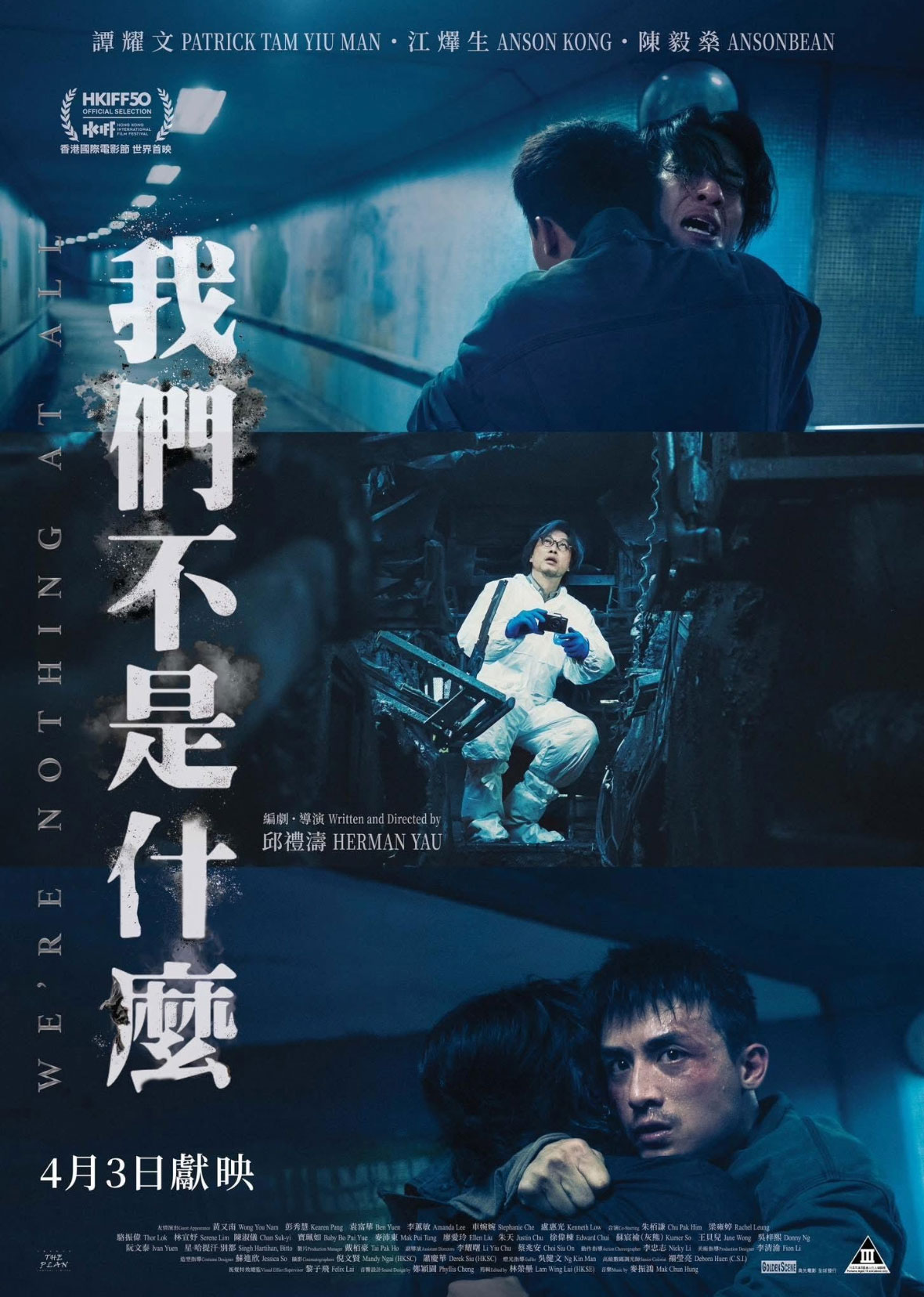
We’re Nothing at All (2026) Review

"We’re Nothing at All" Poster

“We’re Nothing at All” Poster

There was a time in the late 2000’s when it appeared director Herman Yau had made the shift from Category III shock master to gritty social drama filmmaker, with the likes of 2007’s Whispers and Moans and 2008’s True Women for Sale set in the world of Hong Kong’s less advantaged parts of society. However in retrospect, the subsequent years would reveal Yau to be a creative force who was difficult to pin down. The early 2010’s saw him jump on the kung-fu band wagon, which included both a young Ip Man biopic (The Legend is Born: Ip Man) and an old Ip Man biopic (Ip Man: The Final Fight), while the mid-2010’s saw him return to Cat III shocker territory with Nessun Dorma and The Sleep Curse. For the past 10 years though, the Herman Yau most audiences will have become familiar with is the action blockbuster version, with titles like Shock Wave and its sequel, the White Storm sequels, and Customs Frontline.

I confess to missing the more grounded, street level works of Yau’s late 2000’s era, when his output felt more comparable to the likes of Fruit Chan rather than Billy Tang. Despite the understandable allure of mainland funding (just ask Dante Lam), and big budget blockbusters rarely having to worry about running into censorship issues, in 2026 Yau has made a return to the gritty social drama with We’re Nothing at All. Taking inspiration from a 1998 incident Continue reading →

Posted in All, Chinese, News, Reviews | Tagged , , |

‘The Raid’ meets ‘Straw Dogs’ meets AARP? Watch the latest Trailer for the Indonesian action thriller ‘Never Surrender’

"Never Surrender" Poster

“Never Surrender” Poster

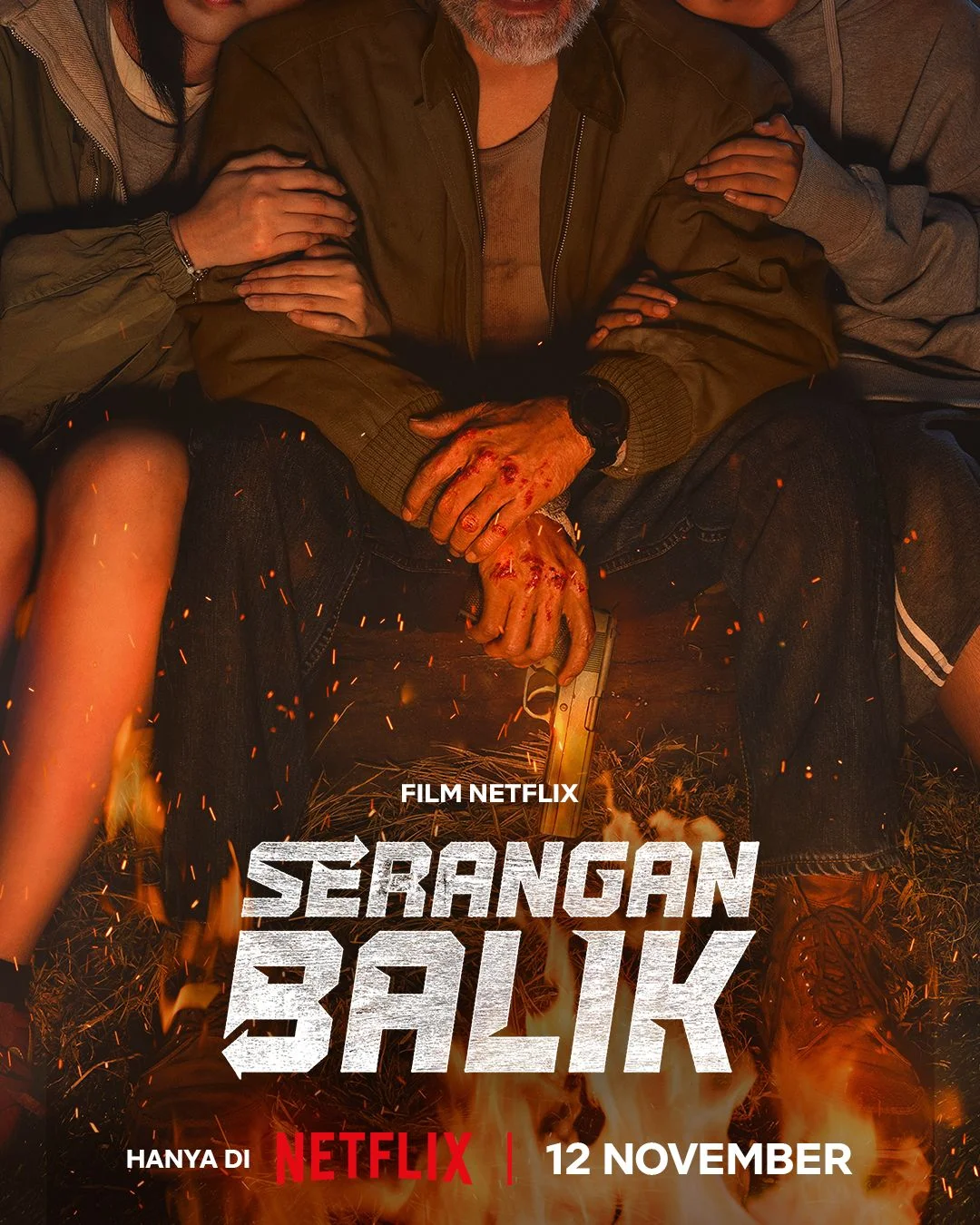
Netflix is getting ready to unleash another Indonesian action thriller with Never Surrender (aka Serangan Balik), the latest from Sidharta Tata (Ikatan Darah) and producer Kimo Stamboel, of The Mo Brothers directing duo (Macabre, Headshot).

The story centers on a grandfather who has been living alone until he is reunited with his two grandchildren. Their reunion takes a dangerous turn when a gang of heavily armed criminals from Jakarta storms their home, leaving the family with a simple choice: surrender or fight back.

The film stars Lukman Sardi (212 Warrior), Callista Arum (Project Sacrifice), Sulthan Hamonangan (Penjagal Iblis: Dosa Turunan), Derby Romero (The Night Comes for Us) and Donny Continue reading →

Posted in News |