

Man vs. Machine: Who wins at poker in 2026?

The old story still works

The man-versus-machine story still has life in it because it gets to something basic. We like watching a human being go up against something colder, faster, and seemingly more precise than they are. It works in science fiction, in action films, in sport, and now, increasingly, in digital competition. The machine does not panic. It does not get tiring. It does not doubt itself. The human does all of those things, and that is exactly what makes the contest interesting.

In 2026, one of the stranger and more revealing places to watch that fight unfold is poker. At first that sounds like a mismatch. Poker still carries a very old image with it: cards, chips, faces around a table, somebody trying not to give too much away. But underneath that familiar picture, it has become one of the clearest stages for the wider argument about human judgment and machine logic. It is a game built on incomplete information, pressure, timing, and the ability to make decisions while never knowing quite enough. That makes it a very good place to ask a very modern question: when the machine keeps getting better, what exactly is left for the human?

What humans still do well

The answer starts with the part of poker that does not fit neatly into numbers. A strong human player does not only calculate odds. They read the atmosphere. They notice when somebody’s timing changes. They pick up on tension, fake confidence, hesitation, frustration, all the little things that sit around a hand rather than inside it. Humans are messy, but sometimes that messiness is an advantage. People improvise. They react to the room. They make instinctive adjustments before they could ever explain them properly.

That matters in poker because the game is not just technical. It is social. A table has a mood. It has rhythm. Some players shrink under pressure, others become too aggressive, others try to bluff their way out of discomfort and end up giving themselves away. Human players can feel that shift. They can lean into it. They can create it.

That is the case for the human side. Not some sentimental “man will always beat the machine” argument, but a real one: people are still harder to fully model than we like to admit. A machine may process more, but a human can still make a strange, timely, unpredictable decision that changes the whole shape of a table.

What the machine does better

But there is no point pretending the machine does not have serious advantages. It does not tilt. It does not get emotionally attached to bad outcomes. It does not lose focus because it is tired, annoyed, overconfident, or rattled by what just happened five minutes ago. It works through patterns relentlessly, and it keeps doing so without the little mental slippages that make human performance so unreliable.

That alone would be enough to make it formidable. But in poker, it goes further than that. The machine is not just calmer. It is more consistent. It can hold a strategic line for longer than most people can. It can process vast amounts of information without needing a break, without needing reassurance, and without slipping into self-doubt. That is what makes the contest so tense now. The machine is not simply powerful in the abstract. It is powerful in exactly the places where human players often fail themselves.

The real clash is not as simple as instinct versus math

It is tempting to reduce the whole thing to instinct versus calculation, but that is a little too neat. Poker is not chess. It is not a game where everything is visible and the stronger analytical system simply crushes the weaker one. Poker stays interesting because information is hidden, psychology matters, and uncertainty never leaves the room. The math matters enormously, but so does the fact that people are still sitting there trying to interpret each other.

That is why the machine-versus-human question in poker remains alive in a way it does not in every competitive environment. Machines dominate clean systems very quickly. Poker is less clean than it looks. There is still enough ambiguity in it, enough pressure, enough room for misdirection and discomfort, that the human contribution does not disappear. At least not yet.

The machine wins on consistency, structure, and precision. The human still wins in those strange live moments where context changes quickly, emotions distort behaviour, and the right response is not obvious even if the numbers are good. That is a narrower edge than it used to be, but it is still an edge.

Why 2026 feels different

This is where the current moment starts to matter. The battle is not new. People have been worrying about bots and machine-assisted decision-making for years. What feels different now is the level of sophistication on both sides. The machine is not only better at playing. It is better at blending in. It can mimic timing, vary pace, and behave in ways that look much less obviously artificial than older forms of automation.

That changes the tone of the whole conversation. The question is no longer simply whether machines are strong. It is whether digital environments can still tell, with confidence, who is actually doing the thinking. That is part of why conversations around online poker feel bigger now than the game itself. Poker has become one of the clearest testing grounds for a much wider issue: how digital systems preserve trust when automated intelligence is good enough to hide inside human spaces.

And that is why 2026 feels like a threshold year. Not because everything changes overnight, but because it is getting harder to treat this as some side issue at the edge of the system.

What the future probably looks like

The future is unlikely to deliver one clean winner. It is much easier to imagine a messier outcome. In one version, machine-assisted environments become so sophisticated that human-only competition turns into something niche, maybe even premium. In another, people increasingly train and compete alongside AI tools until the line between human judgment and machine-assisted judgment becomes hard to separate. In a third, platforms split into different types of spaces altogether: some built around verified human play, others more openly shaped by automation and analysis.

All of those futures feel plausible. They can probably all exist at once. What feels less plausible is the old fantasy that one side simply ends the contest for good. Humans adapt. Machines improve. Rules change. Detection gets better. New loopholes appear. The edge moves. That is usually how these rivalries work.

So who wins?

That is still the question, and it is still the wrong question if asked too simply. If you mean who is more consistent, the machine has the advantage. If you mean who is better at surviving uncertainty when the emotional temperature changes, humans still have something the machine has not fully swallowed. If you mean who owns the future outright, it is too early for that. For now, the more honest answer is that the fight itself is the story.

The machine keeps getting stronger. The human keeps refusing to become irrelevant. And poker, strangely enough, remains one of the best places to watch that tension play out because it forces both sides into the same uncomfortable space: incomplete information, rising pressure, and the need to act before certainty arrives. That is what keeps it interesting. Not that the battle is over, but that it clearly is not.
Posted in News |

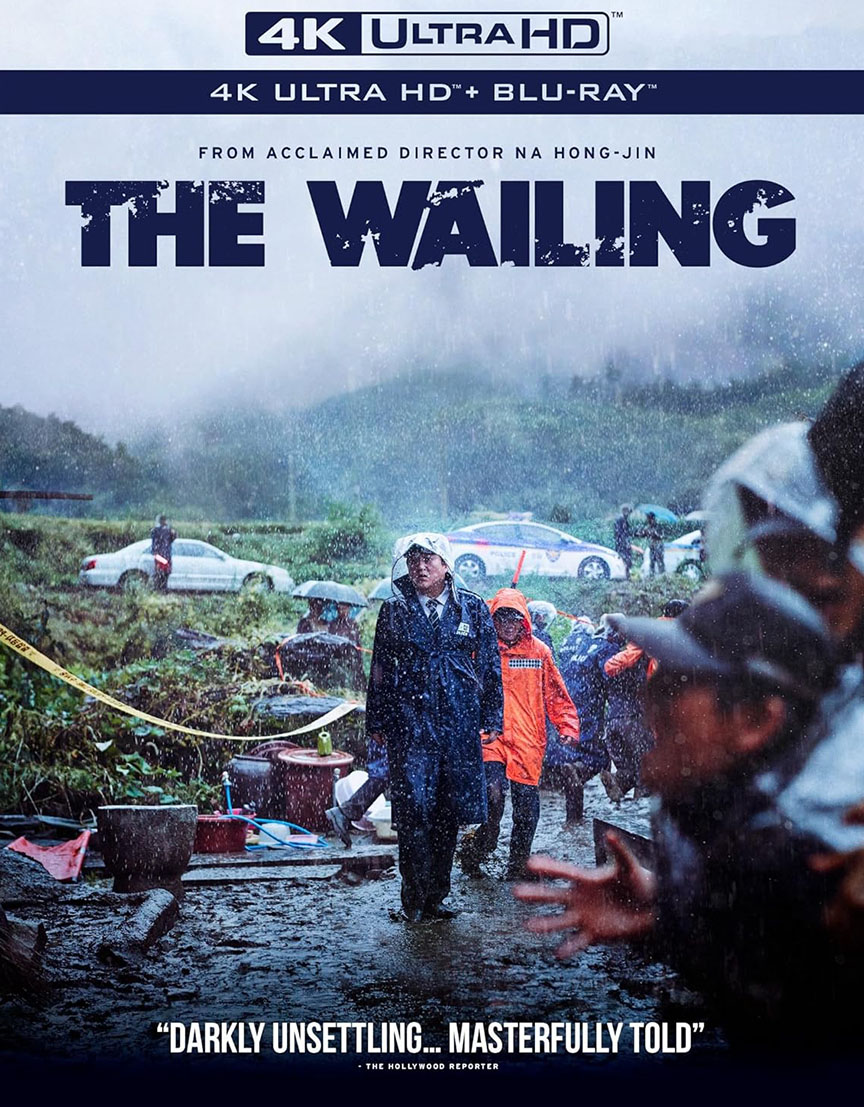
Deal on Fire! The Wailing | 4K Ultra HD + Blu-ray | Only $13.53 – Expires soon!

Wailing | 4K Ultra HD (Well Go USA)

Wailing | 4K Ultra HD (Well Go USA)

Today’s Deal on Fire is the Blu-ray for The Wailing, a South Korean thriller directed by Na Hong-jin (The Chaser, The Yellow Sea).

When a series of unexplainable, gruesome murders take place in a rural village, an incompetent cop starts a chaotic investigation. Things get seriously personal when his young daughter is directly affected by this deadly phenomenon. The only suspect is a Japanese hermit who recently relocated from Japan at the very same time slaughters began to happen; and the only clue is a poisonous mushroom which turns up at every crime scene. Are these murders committed by a human being or sparked by a mysterious force of nature?

The Wailing stars Continue reading

Posted in Deals on Fire!, News |

Why the Final Duel Matters More Than the Plot in Martial Arts Cinema

Arguing that the climactic battle has more meaning and relevance than the overarching story of most martial arts movies sounds like a damning assessment of the entire genre. However, prioritizing action over narrative isn’t unique to this cinematic niche. In fact, many mainstream Hollywood franchises take the same approach.

The likes of Mission: Impossible and Fast & Furious choose their big set pieces first, then hang the plot beats around them. The same approach being taken in Asian cinema makes total sense. The question is, why is this the case, and what can we learn from it?

Patience & The Payoff

Martial arts cinema balances long periods of inaction with explosions of violence. The audience needs to be patient to get to that final showdown, or else the impact won’t be the same.

It’s a lot like how you need to put the work in when playing online slots games, holding your nerve in pursuit of that eventual big payout. The spins in between starting a session and winning don’t matter in isolation, but sitting through them builds tension and gives you more of a sense of achievement.

The Standard Story Framework

Another reason the plot of many martial arts movies is secondary to the final duel is the stories themselves. Many use plots that share the same framework. Often, revenge drives things forward. Or, it’s a young hero’s journey from immaturity to experience that’s the basis. Frequently, they’re based on folk tales and well-known figures who are already in the public consciousness.

These long-established, regularly reused plots and characters don’t matter, since they rarely say anything new. Where the filmmakers want to showcase their originality and inventiveness is in the fight choreography and practical effects.

Jackie Chan’s early career is full of these examples. The likes of The Little Tiger of Canton and Drunken Master have boilerplate plots. What made them stand out was their action and Chan’s skill.

Even quirky, higher-brow martial arts films like Takeshi Kitano’s Zatoichi are less about clever plotting and more about putting everything in place for a satisfying climax. The final fight in this 2003 classic might be very brief, but it’s still incredibly memorable.

Engaging the Audience

Cinema can be an efficient medium for telling a story. Still, a lot of time must be spent on establishing characters, filling in backstory, and broader worldbuilding to make us care about what happens. Martial arts movies use their recycled plots as a shortcut to get to this point earlier. Audiences are up to speed automatically, saving a lot of time.

Timing matters because final duels and other set-piece sequences can eat into much of the movie’s total runtime. If you’re going to have your characters going toe to toe for 20 or more minutes, you can’t afford as much room for exposition early on.

So, don’t worry that martial arts cinema isn’t always plot-heavy, and that the emphasis falls on final duels. It’s a strength of the genre, and why we all love it.

Posted in News |

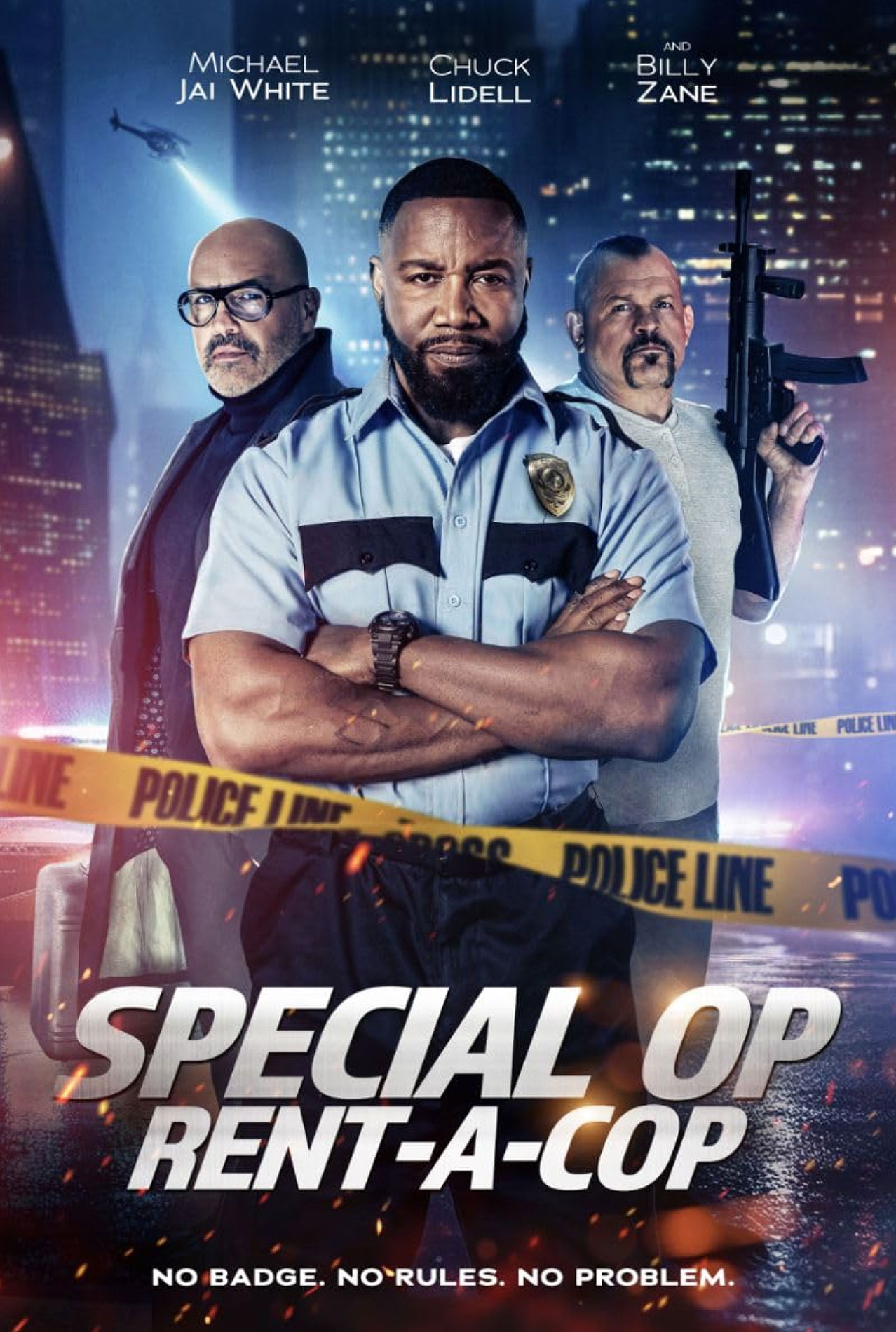
A White comedy? Watch the Trailer for ‘Special Op: Rent-a-Cop’ starring Michael Jai White, Chuck Liddell and Billy Zane

"Special Op: Rent-a-Cop" Promotional Poster

“Special Op: Rent-a-Cop” Promotional Poster

Arriving in April from Indie writer/director William Butler (Furnace) is Special Op: Rent-a-Cop, an upcoming action-comedy starring Michael Jai White (Black Dynamite), Chuck Liddell (Kick-Ass 2) and Billy Zane (Titanic).

In the film, former Special Ops agent Belfry (White) escorts seniors on a Vegas trip, unaware his enemies plan to eliminate him during the journey. When he realizes the danger, a battle of wits ensues to protect the oblivious elderly travelers.

The picture also features Colleen Camp (Game of Death), Jim O’Heir (Bad Times at the El Royale), Dave Sheridan (Ghost World), Ken Foree (Dawn of the Dead) and Jim O’Heir (Middle Man).

🔥 Hot Take: Love the cast, but this looks like total garbage. But at least Michael Continue reading

Posted in News |

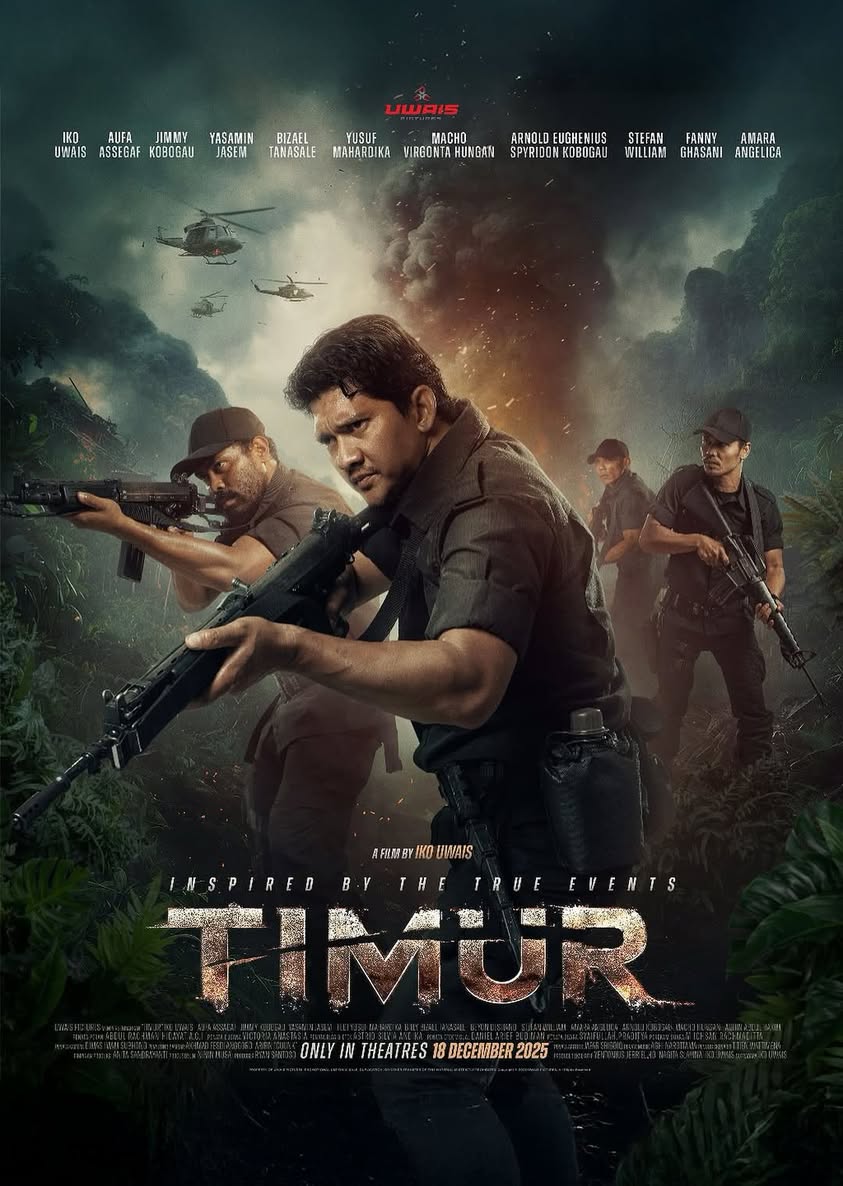
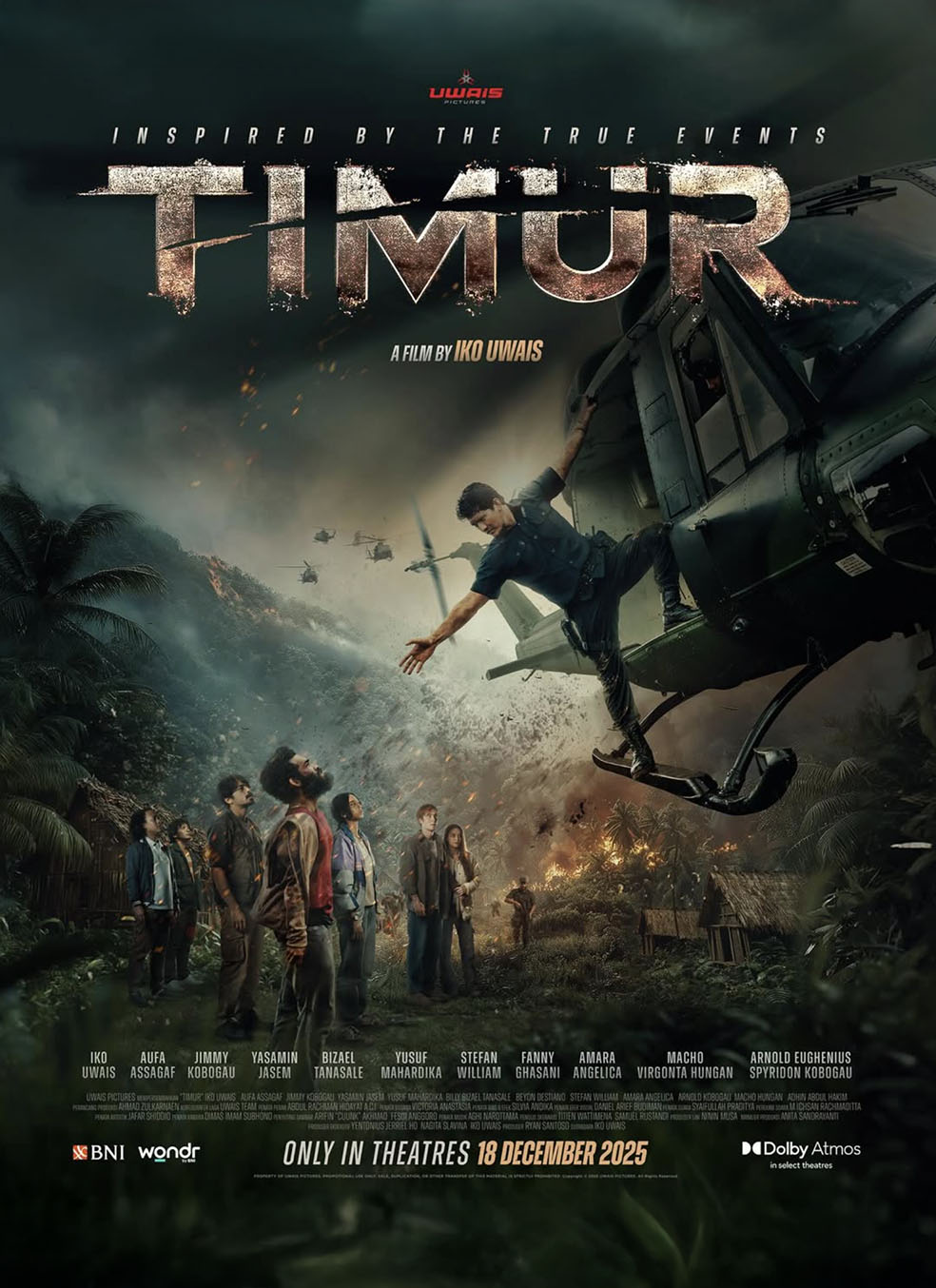
Timur (2025) Review

“Timur” Poster

“Timur” Poster

Director: Iko Uwais
Cast: Iko Uwais, Aufa Assagaf, Macho Hungan, Andri Mashadi, Yusuf Mahardika, Yasamin Jasem, Prabowo Subianto, Jimmy Kobogau, Bizael Tanasale
Running Time: 101 min. 

By Z Ravas

It’s surprising that Iko Uwais’ 2025 directorial debut Timur dropped Stateside on VOD this week with little to no fanfare. One might lay the blame on the film’s North American distributor, Cineverse, for not utilizing social media to hype the movie’s release. There should be hype for Timur, right? Iko Uwais’ name is all over this thing, including the pre-credits logos for both his production company Uwais Pictures and his stunt team (Uwais Team, naturally), and I have to think the Indonesian actor still possesses a sizable following in the West. After all, he was the leading man for The Raid and The Raid 2, two movies that helped revive global interest in the martial arts genre and served as many viewers’ introduction to Indonesian cinema.

And guess what: you will think of The Raid early and often while watching Iko Uwais’ Timur. While the storyline here is loosely based on a real life hostage situation that occurred in Indonesia in 1996, the movie might be best described asThe Raid in the jungle.’ To the point that Timur also opens with Iko’s character saying farewell to his wife before departing on a mission…where he engages in combat alongside his fellow unit of black-clad soldiers…and has a secret Continue reading

Posted in All, Indonesian, News, Reviews | Tagged |

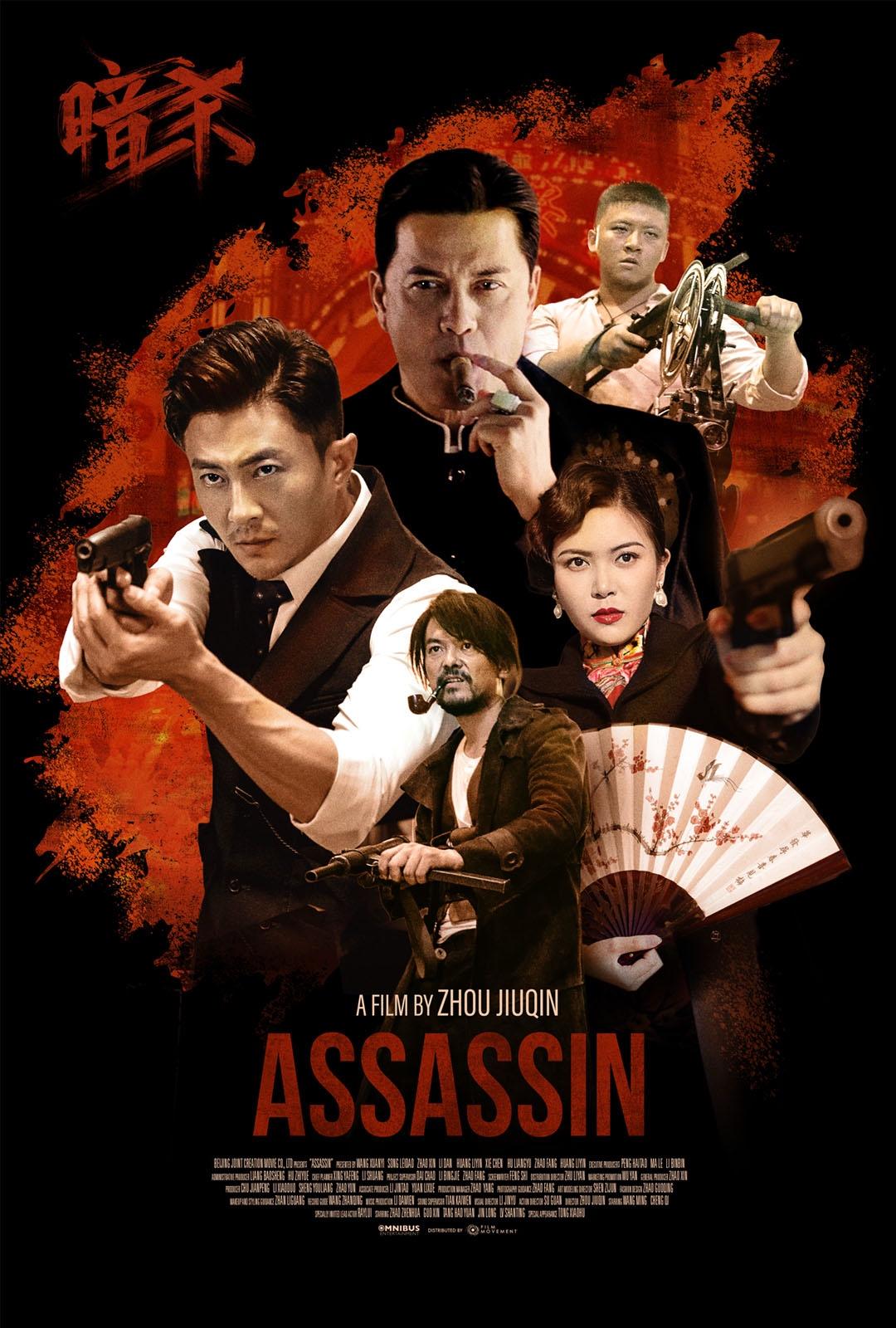
Ready to pull the trigger? Watch the Trailer for the martial arts actioner ‘Assassin’ starring veteran Hong Kong actor Ray Lui

"Assassin" Poster

“Assassin” Poster

On April 17, 2026, Film Movement is releasing Assassin, a 2025 martial arts thriller from director Zhou Jiuquin (Crazy Tsunami). 

Shanghai. 1930s. Occupied and on the brink of war. When elite fighter Mubai is recruited for a top-secret assassination, he’s thrown into brutal battle against the Japanese military machine. Hunted through city streets, train lines, and enemy strongholds, Mubai fights his way through ambushes, explosions, and brutal close-quarters combat to reach a single target who could change history. With time running out and bodies piling up, survival depends on speed, skill, and nerve.

The film stars Jinhao Guo (Wo shu 123), Ray Lui (The Prosecutor), Di Wang and Ming Wang. The action is choreography by Zhengguang Lu, who Continue reading

Posted in News |

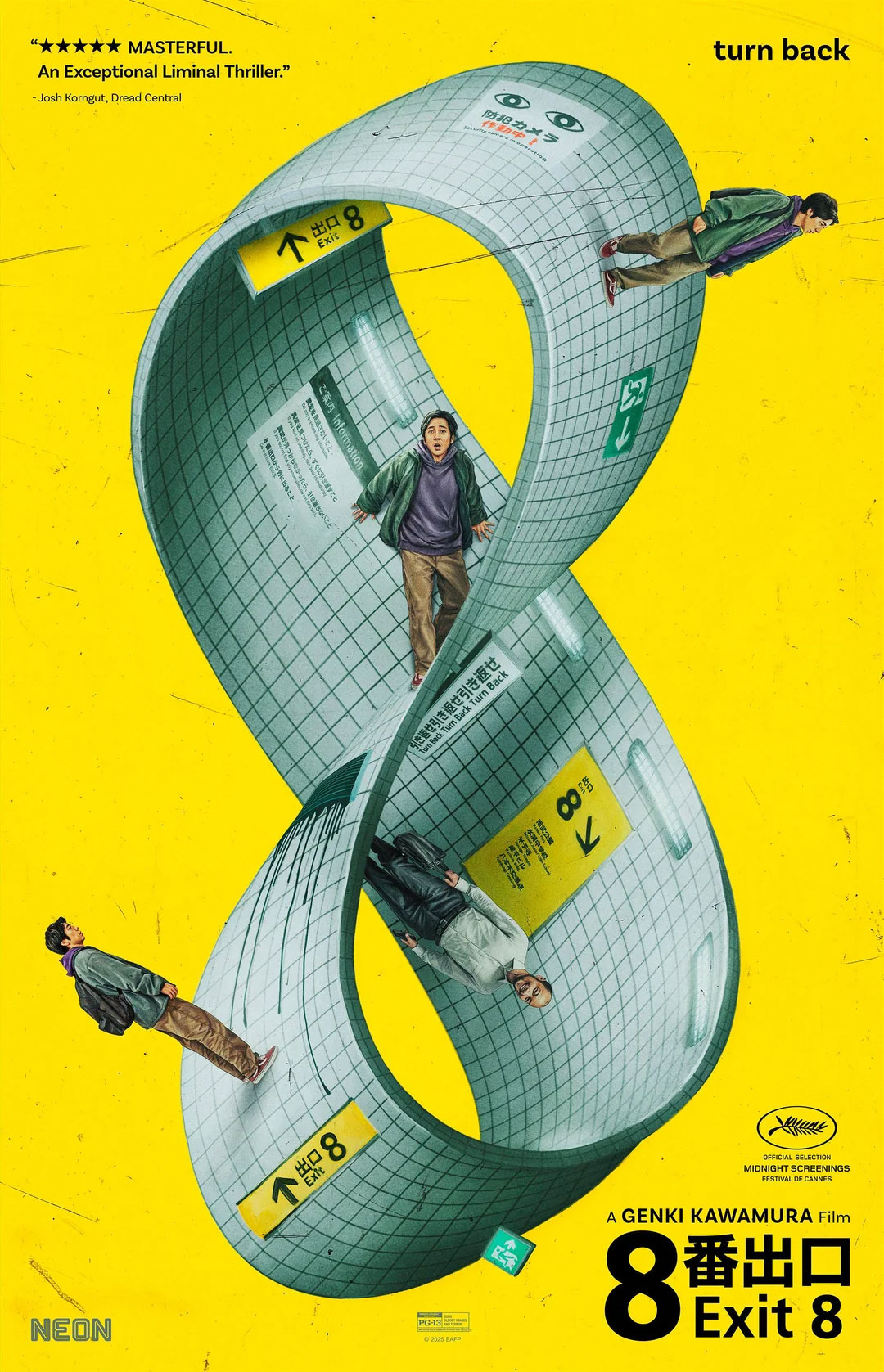
The best video game adaptation of all time? Watch the Final Trailer for the Cannes favorite ‘Exit 8’

"Exit 8" Poster

“Exit 8” Poster

On April 10, 2026, Neon will bring Cannes favorite Exit 8 to U.S. theaters. Directed by Genki Kawamura (A Hundred Flowers), the thriller adapts the cult indie video game created by Kotake Create.

Exit 8 follows a man (Kazunari Ninomiya, Last Samurai Standing) trapped in an endless sterile subway passageway as he sets out to find Exit 8. The rules of his quest are simple: do not overlook anything out of the ordinary. If you discover an anomaly, turn back immediately. If you don’t, carry on. Then leave from Exit 8. But even a single oversight will send him back to the beginning. Will he ever reach his goal and escape this infinite corridor? (via Deadline).

The film also stars Yamato Kochi (Anti Hero), Naru Asanuma (Oshi no Satsujin), Kotone Continue reading

Posted in News |

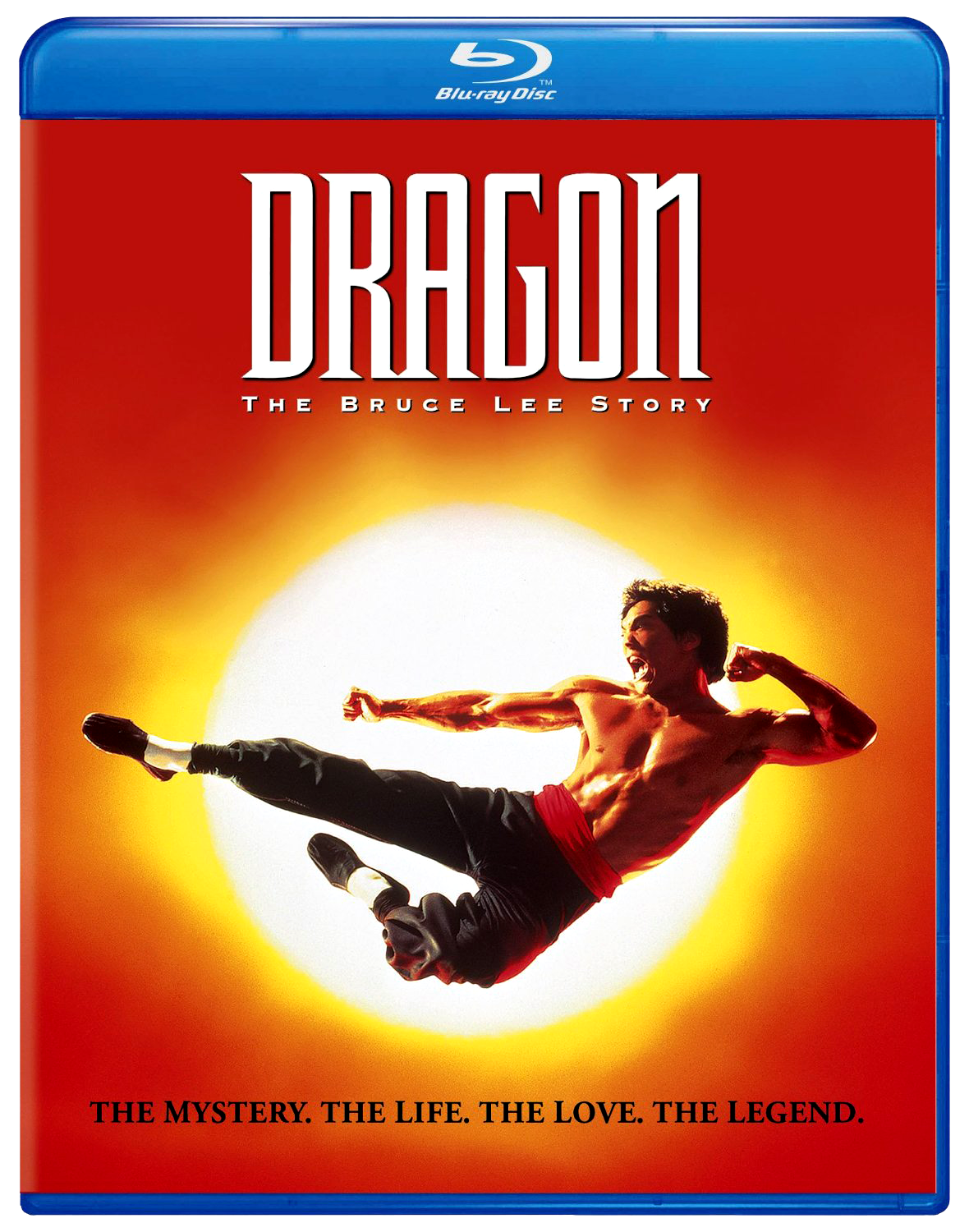
Deal on Fire! Dragon: The Bruce Lee Story | Blu-ray | Only $7.99 – Expires soon!

Dragon: The Bruce Lee Story | Blu-ray (Universal)

Dragon: The Bruce Lee Story | Blu-ray (Universal)

Today’s Deal on Fire is the Blu-ray for Dragon: The Bruce Lee Story, a 1993 Bruce Lee biopic directed by Rob Cohen (The Fast and the Furious), which is loosely based on Linda Lee’s 1975 book, Bruce Lee The Man Only I Knew.

Jason Scott Lee (Crouching Tiger, Hidden Dragon 2) stars in this glimpse into the life of the legendary Bruce Lee

Based on true events, Dragon: The Bruce Lee Story is the incredible journey of the life, love and unconquerable spirit of the martial arts legend. From a childhood of rigorous martial arts training, Bruce Lee (Jason Scott Lee, Crouching Tiger, Hidden Dragon 2) realizes his dream of opening his own kung-fu school in America. Before long, he is discovered by a Hollywood producer (Robert Wagner) and begins a meteoric rise Continue reading

Posted in Deals on Fire!, News |

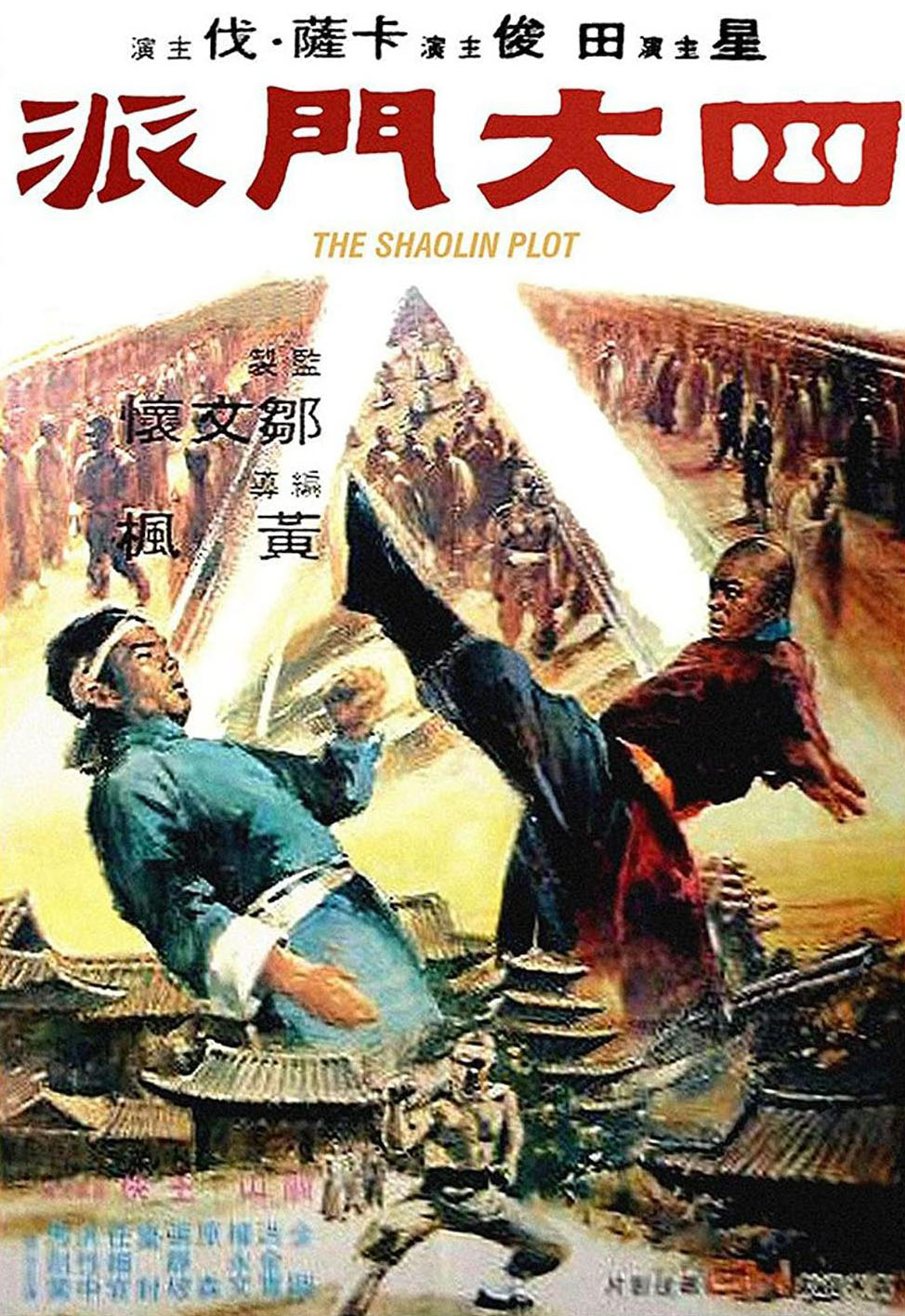
Shaolin Plot, The (1977) Review

"The Shaolin Plot" Theatrical Poster

“The Shaolin Plot” Theatrical Poster

Director: Huang Feng
Cast: Chan Sing, James Tien, Sammo Hung, Wang Ho, Guan Shan, Wang Hsieh, Chin Kang, Best Kwon Yeong-Moon, Wong Fung, Yuan Shen, Mang Hoi
Running Time: 110 min. 

By Z Ravas

On his journey to stardom, Sammo Hung spent much of the 1970’s serving as a fight choreographer on Golden Harvest martial arts efforts such as Hapkido and Hand of Death, often stepping into supporting villain roles when the script called for it; 1977’s The Shaolin Plot was the last film that Sammo performed in this capacity prior to directing and starring in his own action vehicle, The Iron-Fisted Monk. In that way, The Shaolin Plot served as a graduation of sorts for Hung: it represented Sammo’s final collaboration with Hapkido filmmaker Huang Feng before Sammo successfully attempted to break out on his own and become a marquee name.

Beyond its significance in Sammo Hung’s career, there’s also the fact that The Shaolin Plot…is just a damn great martial arts movie! The plot is what you love to see in this genre: a simple yet effective means by which to hang a seemingly endless string of fight scenes. The story concerns a villainous prince (Chan Sing) who’s out to steal the fighting manuals Continue reading

Posted in All, Chinese, Golden Harvest, News, Reviews | Tagged , , , , |

RAID in the JUNGLE? ‘Timur’ directed by and starring martial arts star Iko Uwais is now on VOD in the U.S.

"Timur" Theatrical Poster

“Timur” Theatrical Poster

Indonesian martial arts star Iko Uwais (The Raid, The Raid 2) is back with Timur, an actioner from Uwais Pictures, the star’s own film production company that specializes in fight choreography, action design, and stunt performances.

Timur is inspired by the true story of the Mapenduma hostage rescue operation in 1996, when 11 scientific researchers, including several foreigners, were taken hostage by the Free Papua Movement (OPM) in the mountains of eastern Indonesia.

Directed by Iko Uwais, himself, the film features a supporting cast that includes Andri Mashadi (The Shadow Strays), Yusuf Mahardika (Borderless Fog), Yasamin Jasem (Temurun) and Prabowo Subianto, who was directly involved in Operation Mapenduma Continue reading

Posted in News |

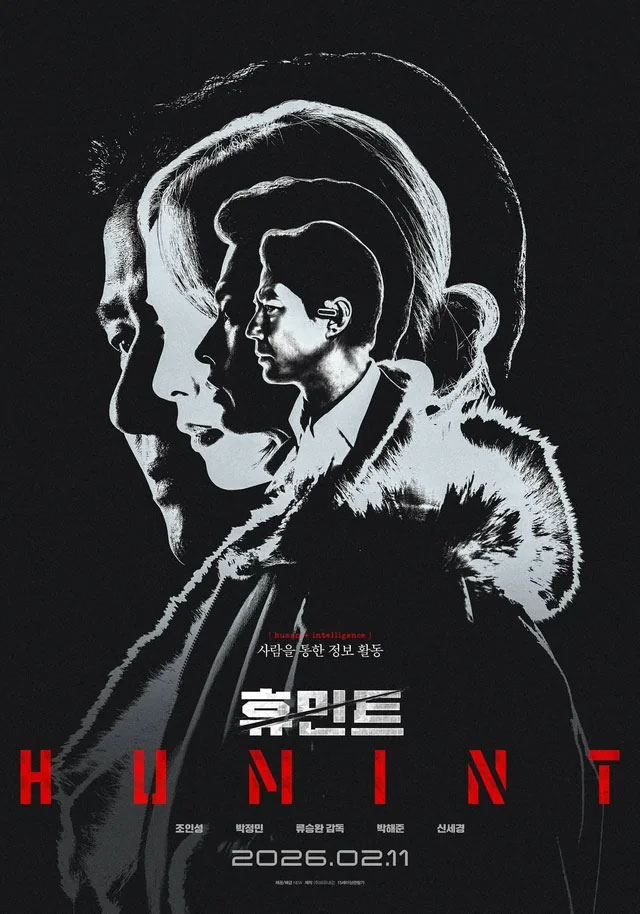
Humint (2026) Review

"Humint" Theatrical Poster

“Humint” Theatrical Poster

Director: Ryoo Seung-wan
Cast: Zo In-Sung, Park Jeong-Min, Park Hae-Joon, Shin Se-Kyung, Lee Shin-Ki, Jung Eugene, Park Myung-Shin, Kim Eui-Sung, Jang Hyun-Sung
Running Time: 119 min.

By Paul Bramhall

It’s been 13 years since director Ryoo Seung-wan helmed The Berlin File, a murky espionage action thriller that revolved around a quartet of characters – a South Korean agent and a trio of North Koreans, two of them operatives, one of whom is married to a potential traitor collaborating with the South. The Berlin setting offered the production a different look and feel to the usual Korean ports and cityscapes, being one of the few cities that still has a North Korean Embassy as a legacy from the Cold War. Seung-wan makes a welcome return for his latest to the secretive world of North Koreans stationed overseas, with Vladivostok (which also has a North Korean embassy) in Russia taking the place of Berlin, however the character dynamic remains the same – once more we have a South Korean agent and a trio of North Koreans, only this time one of them has an ex who we know for a fact is colluding with the South.

The Humint that the title refers to is a portmanteau of the word’s human intelligence, a reference to the network of North Korean informants the South’s National Intelligence Service has established while trying to crack a drug ring, one they suspect the North are working together on with the Russians. An agent played by Zo In-sung (The Great Battle, A Dirty Carnival) is dispatched to Vladivostok while still reeling from the death of his last informant, a trafficked woman Continue reading

Posted in All, Korean, News, Reviews | Tagged , |

G.I. Samurai | Blu-ray (Arrow)

On May 8, 2026, Arrow is releasing a Blu-ray (Region A) for G.I. Samurai (aka Time Slip or I Want To). Directed by Kosei Saito (Ninja Wars), this 1979 actioner stars martial arts legend Sonny Chiba (Fighting Fist, Soul of Chiba).

During a routine military exercise, modern-day soldiers led by Second Lieutenant Iba (Chiba) find themselves transported back in time four hundred years to war-torn feudal Japan. Facing attack by samurai warriors from rival clans, frictions Continue reading

Posted in Asian Titles, DVD/Blu-ray New Releases, Martial Arts Titles, News | Tagged |

Dial Tone of the Dragon: The Phone Call Scenes That Defined Asian Cinema’s Greatest Emotional Gut Punches

There’s a moment in Peter Chan’s Comrades: Almost a Love Story (1996) that absolutely wrecks me every time. Maggie Cheung picks up the phone, and for a few seconds she just holds it, as if the weight of the receiver contains everything she can’t say to the person on the other end. It’s a scene that lasts maybe 30 seconds, but it says more about distance, longing, and the immigrant experience than most films manage in their entire runtime. And it got me thinking: for a genre landscape built on fists, kicks, and gunfire, Asian cinema has always understood something that Western filmmaking tends to overlook. The telephone isn’t just a plot device. It’s a weapon of emotional destruction.

Think about it. How many times has a phone call in an Asian film completely gutted you? If you’re a regular reader of this site, I’m willing to bet more times than you can count. The phone call home is practically its own sub-genre within Hong Kong, Korean, and Japanese cinema, and it makes sense when you consider the context. These are stories frequently told through the lens of displacement, of characters separated from their families by oceans, borders, and circumstances that range from the mundane to the absolutely devastating.

When John Woo Made a Phone Booth Feel Like a War Zone

Leave it to John Woo to turn a simple phone call into something operatic. In Bullet in the Head (1990), the scenes where Ben (Tony Leung Chiu-Wai), Paul (Waise Lee), and Frank (Jacky Cheung) are still in Hong Kong, before everything goes sideways in Saigon, carry this undercurrent of connection to home that makes the Vietnam sequences hit so much harder. These are guys who grew up together in the tight-knit neighborhoods of Hong Kong, and once they leave, every moment of contact with that world they left behind becomes loaded with meaning.

Woo understood intuitively that the most devastating action isn’t always a shootout. Sometimes it’s the silence on the other end of a phone line when someone realizes they can never go back. The film’s power lies in how it contrasts the chaos of war with these achingly domestic moments of trying to stay connected to a place that no longer exists for you in the same way.

And Woo wasn’t alone. His contemporaries in the Hong Kong New Wave were equally obsessed with the emotional geography of distance. Ann Hui’s The Story of Woo Viet (1981), starring Chow Yun-fat as a Vietnamese refugee, uses communication across borders as a recurring motif. The inability to reach someone, to hear a familiar voice when you’re stuck in transit between countries and identities, becomes its own kind of violence.

The Korean Gut Punch

If Hong Kong cinema treats the phone call as poetry, Korean cinema treats it as a knife to the ribs. Korean filmmakers have an almost supernatural ability to locate the exact moment when a phone call will do the most emotional damage, and then twist it.

Take Hur Jin-ho’s Christmas in August (1998). There’s a scene where the terminally ill photographer played by Han Suk-kyu sits by the phone, debating whether to call the woman he’s falling for. He knows the call is pointless in the grand scheme of things, that his days are numbered and starting something is borderline cruel. But he picks up anyway, because that’s what people do. They reach out. That scene is devastating precisely because of its simplicity. No dramatic score, no close-up tears. Just a man, a phone, and the impossible distance between wanting to live and knowing you won’t.

Korean cinema’s diaspora stories carry this even further. Films that deal with the Korean communities scattered across the globe, from Los Angeles to Almaty, use phone calls home as a kind of emotional anchor. The conversation itself barely matters. What matters is the act of dialing, of hearing a voice that speaks your language when you’ve spent all day navigating a world that doesn’t.

Takeshi Kitano and the Art of Not Calling

Leave it to the Japanese to perfect the art of the phone call that doesn’t happen. Takeshi Kitano’s filmography is practically built on missed connections and calls that characters refuse to make. In Hana-bi (1997), Beat Takeshi’s retired cop barely speaks to anyone, let alone picks up a phone. His silence is the point. The distance between him and the world has become so vast that no phone line could bridge it.

But when Japanese cinema does deploy the phone call, it lands with surgical precision. Hirokazu Kore-eda’s Nobody Knows (2004), based on the true story of children abandoned by their mother in a Tokyo apartment, features phone calls that are almost unbearable to watch. The kids calling their absent mother, getting no answer, calling again. The repetition becomes its own form of horror, more unsettling than anything in the Ringu franchise.

The Immigrant’s Lifeline

Here’s what connects all of these films across countries and genres: the phone call represents the last thread of connection to wherever “home” is. And for the global community of Asian cinema fans, many of whom are themselves part of a diaspora, this resonates in a way that goes beyond the screen.

I think about this every time I watch one of these films. The COF readership is scattered everywhere, from the boroughs of New York to the suburbs of Sydney, from London to Manila. A lot of us grew up with families that made those calls. Maybe you remember your parents calling relatives in Hong Kong or Seoul or Tokyo, watching the clock because international rates used to be genuinely painful. A 20-minute call to the Philippines could cost more than a week’s worth of VHS rentals (and given the prices of some of those Ocean Shores tapes, that’s saying something).

The landscape has changed since then, obviously. VoIP services like Sayfone have made it so you can call internationally for next to nothing, which would have blown the minds of anyone in the 80’s or 90’s who remembers their parents rationing phone minutes like they were gold dust. But the emotional weight of the call itself hasn’t changed one bit. The technology evolves, the longing stays the same.

The Shaw Brothers Surprise

You might not immediately associate Shaw Brothers productions with emotional phone call scenes, and you’d mostly be right. The studio’s output was overwhelmingly concerned with swords, fists, and elaborate training sequences. But dig into the margins and you’ll find some surprises.

Chang Cheh, the Godfather of Hong Kong action cinema, occasionally let his guard down long enough to include moments of genuine connection between his characters. In The One-Armed Swordsman (1967), while there are obviously no telephones involved, the letters that pass between characters serve the same narrative function. It’s communication across distance, the desperate need to stay connected to someone who feels impossibly far away. Swap the ink and paper for a dial tone and the emotional mechanics are identical.

By the time we get to the 80’s and early 90’s, the phone becomes a staple of Hong Kong thriller and crime cinema. Films like Ringo Lam’s City on Fire (1987), the very film this site takes its name from, use phone calls as moments of tension and vulnerability. Chow Yun-fat’s undercover cop maintaining contact with both sides of the law through hurried phone conversations is a masterclass in how the act of calling can be simultaneously intimate and dangerous.

Rounding Out the Call Sheet

The phone call scene as emotional centerpiece shows no signs of going anywhere. Recent productions continue to mine it for all it’s worth. In Decision to Leave (2022), Park Chan-wook uses phone conversations between Tang Wei and Park Hae-il as a kind of verbal foreplay, each call pulling them deeper into an entanglement that can only end badly. The phone becomes a space where characters can be more honest than they’d ever dare to be face to face.

And in the world of martial arts cinema, where you’d least expect it, even the toughest characters eventually have to make a call home. Whether it’s a fighter calling family before a tournament or a hitman checking in with a lover, these scenes work precisely because they contrast so sharply with the physical violence that surrounds them. The hand that just broke someone’s jaw is now gently cradling a phone, and the tonal whiplash is what makes these moments land.

So the next time you’re watching a Hong Kong actioner or a Korean drama and a character picks up the phone, pay attention. That’s not filler. That’s the emotional core of the entire film, compressed into a single gesture. It’s a reminder that no matter how far you travel, how many fights you survive, or how many borders you cross, the need to hear a familiar voice never fades.

And unlike a roundhouse kick to the face, that’s something that hits you right where it hurts.

Posted in News |

Stunning Action Cinema Trends Redefining the News Today

Whether the news is about upcoming movie releases or the latest in industry happenings, everything is changing as quickly as a choreographed fight scene, and you don’t want to miss out on any updates if you’re a true movie lover. As fans search for escapes via a บาคาร่าเว็บตรง, true thrill-seekers are setting their sights back on the silver screen, where practical effects and stunt-driven storytelling are seeing a huge resurgence.

It had a couple of major effects in the history of action consumption, from “Gun-Fu” to the democratization of high-end camera technology. This year alone proves that audiences are tired of overly over-saturated CGI and simply want something a lot more visceral, grounded, and human.

Understanding the Action News Cycle

In the “News” section of a site like CityOnFire, it’s often news related to newer developments in Hong Kong classics and Western modern blockbusters. It’s not only about who’s starring in what, but the evolution of choreography.

Why Breaking News Matters

Release Dates: Knowing when to expect those monthly limited-run martial arts films on streaming can save you months of waiting.

Casting Coups: If a legendary stuntman gets a directing gig, you can usually take that to mean a masterpiece is on its way.

Production Tech New lens technology enables longer, broader, mission-class long-takes typical of contemporary “oner” sequences

The Resurgence of Practical Stunts

It’s a distinct joy to know that an automobile really did flip or, say, a performer actually leaped between buildings. This trend is breaking through the headlines because it brings back a feeling of danger that green screens just can’t mimic.

Key Elements of Practical Action

Safety advances: Better wire-work that is so invisible and keeps the actors 100% safe.

Real-life Training: Instead of using stunt doubles, actors are spending 6-12 months in “fight camps.”

Authentic Feel: Shooting in real city streets gives a grit that virtual sets can’t replicate.

How International Markets Shape Local News

There was a major divide between Eastern and Western cinema, back in the day. That gap today is nearly gone. Now Korean thrillers and Indonesian silat films are the main blueprints for Hollywood’s biggest hits.

“The cross-pollination of stunt talent around the world has created a universal language of movement beyond subtitles.”

Effects of Streaming on Action Journalism

Streaming is the new Grindhouse. As physical media has waned, news organizations have increasingly turned to digital premieres. That has opened the door to smaller, indie action films from far-off places, be it Thailand or Vietnam, getting the same front-page (or at least movie review page) attention as a Marvel movie.

Distribution Shifts by the Numbers

Direct-to-Digital: 65% of international action films no longer touch down at U.S. theaters, but do find huge audiences on VOD.

Social Media Hype: Even leaked “stunt-vis” (stunt visualization) videos will go viral before a trailer drops.

Fan Funding: Crowdfunding news has taken off as a strategy for bringing old franchises or niche sequels back from the dead.

Deep Dive into Current Action Sub-Genres

This “News” niche is not all one size. It’s then broken down into several sub-categories that dictate what we see on our screens.

The Neo-Noir Thriller

These movies care as much about lighting and atmosphere as they do the fights. They are often marked by neon aesthetics and high-stakes emotional drama.

The “Old Guard” Revival

Our news feeds are filled with stories about stars of the ’80s and ’90s who return to their roles that became iconic. This nostalgia-baiting marketplace is a huge segment of the contemporary cinematic economy.

Why Are the Audience Engaged More Than Ever

Because fans are not merely spectating; they’re dissecting. In the “News” niche, we now see deep dives into frame rates, editing styles and even the history of individual stunt teams.

Engaging with the Community

Comment Sections: Arguments over who the best fight coordinators are.

Film Festivals: The news that comes out of events such as Fantasia or Fantastic Fest establishes the tone for the year.

Interviews: Podcasts give you direct access to directors, with behind-the-scenes news previously impossible.

The Future of Cinema News

Taking a step back, the future indeed spells doom for editors and spinners alike. The cycle of news never ends because the search for the “perfect action scene” is a never-binding chase.

Summary of Industry Projections

More Diverse: Expect to hear more about female-driven action gatherings and administrators.

Tech Integration: VR and AR could revolutionize how we “experience” movie news trailers.

Co-Policy: More China-Japan-US co-productions are in the pipeline for the next fiscal year.

Posted in News |

Nine Demons | Blu-ray (Visual Vengeance)

On July 28, 2026, Visual Vengeance is releasing the Blu-ray for The Nine Demons, a 1984 post-Shaw Brothers film from legendary Hong Kong director Chang Cheh (Death Ring, The One Armed Sworsman).

Director Chang Cheh was rightfully known as the Godfather of Hong Kong action cinema, and after the Shaw Brothers studio wound down its movie production, he still managed to crank out a further 11 in Taiwan and Mainland China. One of these Continue reading

Posted in Asian Titles, DVD/Blu-ray New Releases, Martial Arts Titles, News | Tagged |