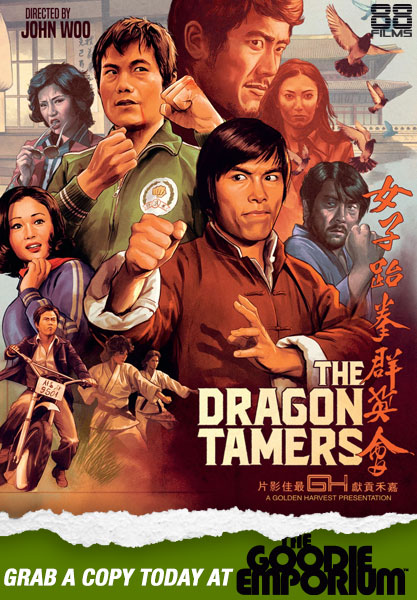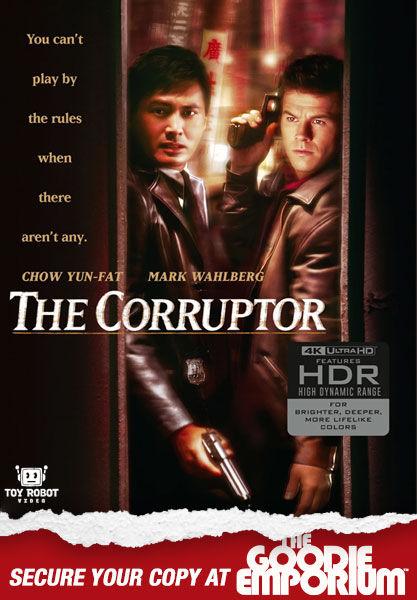




The hero usually wins long before the final opponent falls. It happens during the repetitive training, the humiliating defeat and the moment pride finally gives way to discipline. That is why these films travel so well across languages and generations. The fights provide spectacle, but the real attraction is watching someone become capable of facing what once defeated them.
A Local Genre Found a Global Language
Asian martial arts films grew from specific traditions, industries and cultural settings. Yet their strongest ideas did not require translation.
A student wants to improve. A mentor refuses to offer an easy route. A rival exposes every weakness. These conflicts are instantly clear, whether the story unfolds in a village, a modern city or a fantasy world.
This helped martial arts cinema move from regional theatres and imported tapes into mainstream global entertainment. Audiences did not need to understand every custom before connecting with effort, injustice and earned progress.
The genre became international without losing the identity that made it interesting in the first place.
Skill Means More When It Has a Cost
Many action films introduce a powerful hero and then search for bigger obstacles. Martial arts stories often reverse that logic. The hero begins unprepared, impatient or overconfident.
Training becomes part of the drama rather than a quick montage between important scenes. Repetition hurts. Improvement is slow. A lesson that appears pointless may only make sense much later.
This is where martial arts philosophy gives the action weight. Strength is useful, but control decides how it is used. Confidence matters, but arrogance creates openings.
The audience sees the price before it sees the result. That makes the eventual victory feel deserved rather than simply delivered by the script.
Combat Can Reveal What Dialogue Hides
The best fight scenes are not random exchanges of impressive moves. They expose character.
An impatient fighter rushes forward and wastes energy. A frightened one keeps retreating. A disciplined opponent watches, adapts and waits for the mistake.
The choreography shows what each person believes before either of them says it aloud.
Camera placement, rhythm and sound deepen that effect. A wide frame can reveal distance and control. A close shot can make every impact feel personal. Silence before an attack may create more tension than loud music during it.
That visual clarity is one reason martial arts cinema remains influential. It can turn movement into argument, fear into hesitation and personal growth into something visible.
The Underdog Gives the Audience a Way In
These films rarely ask viewers to admire perfection from the first scene. They ask them to recognise frustration.
The hero may lack status, confidence, physical power or social respect. That gap gives the story somewhere to go. Viewers may never enter a tournament or fight several opponents, but they understand being underestimated.
Mentorship makes the journey more believable. A good teacher does not hand over victory. The teacher changes how the student sees the problem.
The most memorable heroes usually learn to:
- Observe before reacting;
- Accept correction without collapsing;
- Control anger under pressure;
- Use timing instead of brute force;
- Continue after public failure.
Those lessons work far beyond combat. They apply to study, work, sport and any skill that refuses to improve on demand.
Patience Creates Its Own Suspense
Martial arts philosophy often treats patience as a form of action. Waiting can mean studying an opponent, protecting energy or refusing to make the obvious mistake.
That creates tension because the audience understands that one decision may change the entire fight. The excitement comes not only from speed, but from timing.
Modern interactive entertainment uses a similar structure. Video games build pressure through limited resources, repeated attempts and increasingly difficult choices. Even an online casino may use pacing, anticipation and visible outcomes to maintain attention. Platforms such as winshark.com demonstrate how these entertainment principles are applied in modern online gaming experiences, where timing and anticipation remain central to user engagement.
The context changes when money is involved, so transparent rules, clear limits and responsible communication become essential. The shared principle is simpler: a reward feels stronger when the audience understands the challenge and waits for the result.
The Genre Changes Without Losing Its Core
Filmmaking tools, distribution and audience habits have changed dramatically, but the emotional promise has not. Asian martial arts films still combine immediate action with stories that reward patience, while new productions use modern editing, effects and hybrid genres without abandoning discipline, setbacks and improvement.
That is the lasting power of martial arts cinema. It reminds audiences that mastery is not a hidden gift, but something built through difficult choices when progress feels invisible. The same search for challenge, development and meaningful rewards shapes entertainment decisions far beyond film, and Revenuelab helps partners connect those audiences with relevant offers without interrupting the experience that attracted them.