‘Raid’ star Iko Uwais is a VERY bad boy! Watch the New Trailer for ‘Wings of Dread’ starring Ashton Chen

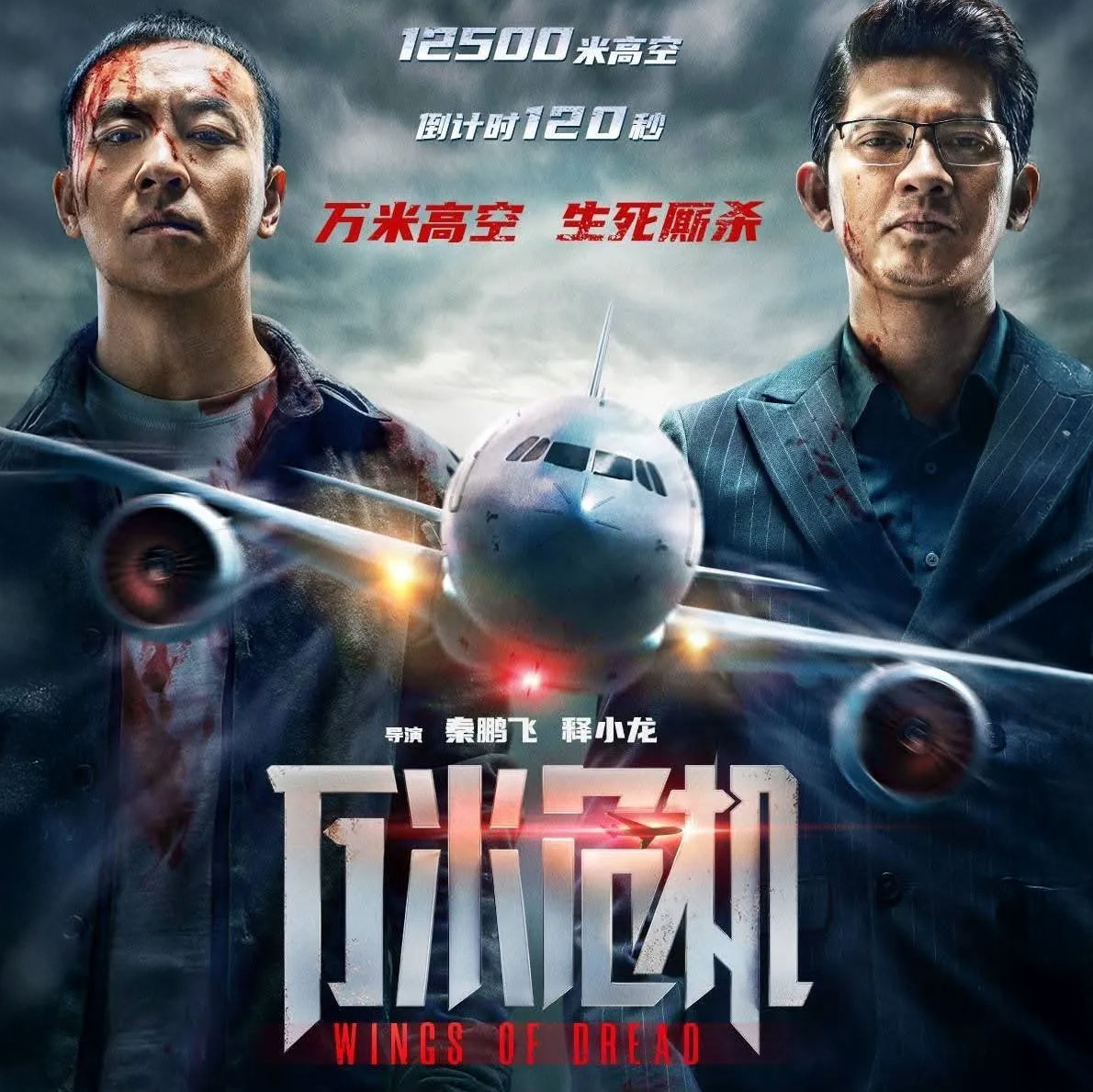
We’ll soon be seeing Indonesian martial arts star Iko Uwais (The Raid, The Raid 2, Headshot, Beyond Skyline) in Wings of Dread, an upcoming action thriller directed by Qin Pengfei (Fight Against Evil, Black Storm) and Ashton Chen (Ip Man 2, Blade of Fury), who also stars alongside Uwais.

According to AT, Wings of Dread is Iko Uwais’ first Continue reading →

Posted in News |

Why Does International Action Cinema Always Use The Casino Floor as The Ultimate Stage for Bloody Betrayal?

Casino games have been played for centuries. People across the world have gathered on casino floors to play roulette, blackjack, poker, baccarat, and dozens of other games that reward skill, nerve, and a willingness to risk everything on a single outcome. 

Today, however, the situation is different. Most people no longer need to travel to a physical hall, because everything is accessible online as well. The so-called live dealer games are particularly interesting, as they successfully bridge the gap between online and in-person casinos thanks to real dealers streaming in real time (source: next.io/online-casinos-us/). 

But what we rarely stop to think about is that casinos have long served as the main stage for ultimate betrayal in film, and filmmakers keep returning to this setting for very specific reasons.

The Casino as a Natural Pressure Cooker

Strip away the glamour and a casino floor is actually one of the most psychologically intense environments a person can enter. Every player is simultaneously performing confidence while hiding anxiety. Money is moving constantly. Strangers sit inches apart from one another while competing for the same prize. Nobody at the table fully trusts anyone else, and that tension is present from the moment you sit down.

Filmmakers understand this instinctively. When a director needs a scene to feel dangerous before a single punch is thrown, placing characters at a poker table or around a roulette wheel does most of the work automatically. The audience already associates those settings with high stakes and unpredictable outcomes. A man smiling across a blackjack table can feel more threatening than one holding a weapon, because in a casino, the smile itself is a weapon.

This is why the betrayal scenes that land hardest in action cinema almost never happen in dark alleyways. They happen in well-lit rooms full of people, where the violence feels more shocking precisely because of how wrong it looks against that polished backdrop.

James Bond and the Casino as Theater of Deception

No franchise has exploited the casino setting more deliberately or more effectively than James Bond. From the very first film (Dr. No in 1962, where Bond introduces himself at a baccarat table) the casino has functioned as his natural habitat. It is not just a backdrop. It is where Bond performs his identity, gathers intelligence, and reads his enemies before the real confrontation begins.

Casino Royale (2006) is the most complete version of this idea. The entire middle section of the film is a high-stakes poker game between Bond and the terrorist financier Le Chiffre, and the tension is extraordinary because both men are trying to destroy each other without touching each other. Every card dealt is an act of aggression. Every chip pushed forward is a statement of intent. When Le Chiffre finally poisons Bond’s drink mid-game, it works as a betrayal because we have spent an hour watching two people pretend to be civilized while trying to ruin each other. The casino made that performance believable.

What Bond films understood early is that a casino forces everyone in it to be an actor. The cruelest betrayals in those stories happen precisely when one character stops acting and reveals what they actually are.

Heat, Hard Boiled, and the Operational Casino Scene

Outside the Bond universe, action cinema has used casino floors to signal something slightly different: the moment when a carefully constructed operation falls apart. Michael Mann’s films return repeatedly to environments where professionalism collides with chaos, and the casino provides a ready-made version of that conflict.

Hard Boiled (1992), John Woo’s Hong Kong masterwork, opens with a tea house that functions on the same symbolic logic as a casino floor, a social space built on courtesy, where everyone pretends not to be armed. The eruption of violence there is so effective because the setting demands restraint; the moment that restraint ends, everything becomes carnage. Woo would refine this dynamic across his career, but the principle stays constant: the more civilized the setting, the more brutal the betrayal reads onscreen.

International action cinema from Hong Kong, South Korea, and Europe has consistently understood this. The Korean thriller The Man from Nowhere unfolds its final act in spaces that blend commerce and danger, environments where ordinary transactions occur alongside criminal ones, and where the audience can never fully separate the two. Casino floors operate on exactly this ambiguity. Everyone there has a reason to be present, and none of those reasons are fully transparent.

Why Violence Hits Differently Under Chandeliers

There is a specific visual grammar that action directors use when they shoot casino violence. The contrast between the setting and the act is the entire point. 

Bright light, expensive furniture, well-dressed people, and then blood on a green felt table. The mismatch is jarring in a way that a shootout in a warehouse simply is not, because warehouses are already associated with danger and concealment.

Martin Scorsese’s Casino (1995) builds its entire three-hour structure around this principle. The film opens with Joe Pesci’s character, Nicky, arriving in Las Vegas and treating the whole city as his personal extraction machine, and Scorsese frames the casino not as a place of glamour but as a machine that grinds people down with absolute efficiency. Every friendship in that film is transactional. Every alliance is temporary. The betrayals arrive not as surprises but as logical conclusions of an environment that was never built for loyalty.

The International Dimension: Why Every Country’s Cinema Finds Its Way Here

One of the more interesting aspects of casino betrayal scenes is how they cross national cinematic traditions without losing their impact. A French thriller, a Korean crime film, an American action blockbuster, and a British spy movie can all use the casino floor in essentially the same way and achieve the same emotional result. The setting carries meaning that does not require translation.

This is unusual. Many cinematic settings are culturally specific; an American diner means something different to a French audience than to an American one. But a casino communicates the same core ideas everywhere: risk, performance, concealed motive, and the certainty that someone at the table is not playing the game they appear to be playing. These are universal anxieties, and the casino floor stages them without requiring any cultural context to land.

Skyfall (2012) opens in Macau’s floating casino, and the choice is precise; Macau is where Eastern and Western gambling cultures meet, and the scene needs to feel simultaneously familiar and foreign to a global audience. The betrayal that follows works because the casino has already told us everything we need to know about the room’s power dynamics.

What Audiences Actually Read in These Scenes

When viewers watch a casino betrayal scene, they are not just watching plot mechanics. They are watching a very specific idea play out: that the most dangerous people are the ones who are best at pretending to be safe. The casino floor makes that idea visible in physical space. The dealer who controls the cards. The pit boss who watches without being watched. The player who knows the outcome before the hand begins.

Every great casino betrayal scene in action cinema works because it honors this truth. The violence, when it comes, does not feel random. It feels like the house collecting what was always owed.

Directors who understand this (Woo, Scorsese, Sam Mendes, Park Chan-wook) use the casino not as decoration but as an argument. Their films say that betrayal does not come from outside the rules. It comes from the people who wrote them.


Posted in News |

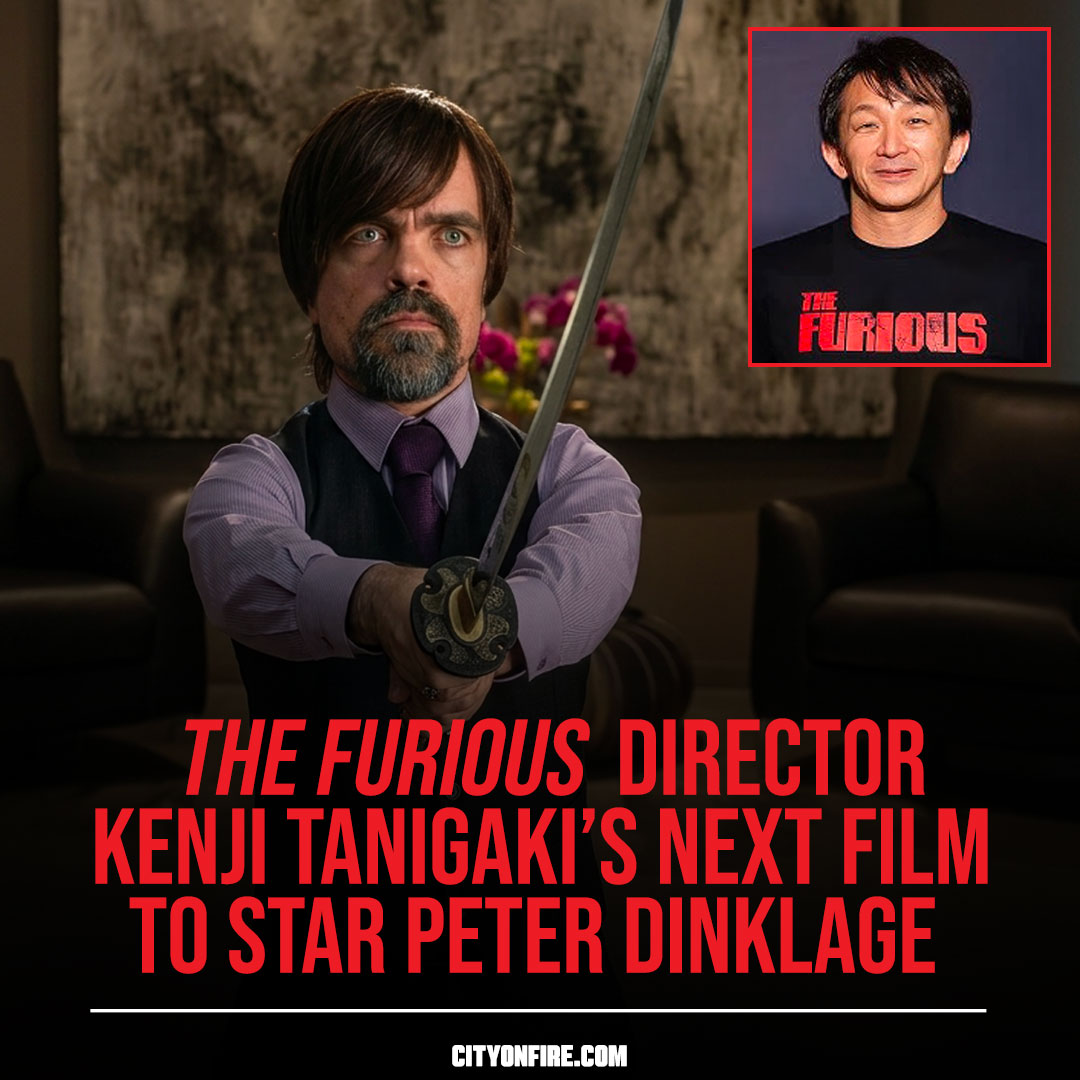
Peter Dinklage goes FURIOUS! The ‘Game of Thrones’ star to team up with ‘The Furious’ director Kenji Tanigaki

Fresh off the breakout success of The Furious, Kenji Tanigaki has set his sights on his next directorial effort, The Reckoner, an upcoming actioner written by John Wick and Nobody creator Derek Kolstad.

Headlining The Reckoner is Peter Dinklage (The Boss), best known for his Emmy-winning performance as Tyrion Lannister in HBO’s hit fantasy Continue reading →

Posted in News |

Uncancelled? Kevin Spacey is back behind the camera for sci-fi actioner ‘The Portal of Force’ with Dolph Lundgren

Academy Award winner Kevin Spacey returns to the screen with the sci-fi actioner Holiguards Saga: The Portal of Force, the opening chapter in the ambitious Statiguards vs. Holiguards franchise. In addition to starring, Spacey also directs the film.

In a divided future, ancient Holiguards and Statiguards fight secretly for humanity. A woman discovers she’s born to rival leaders as a Statiguard Continue reading →

Posted in News |

The Raid, The Furious, and the Art of Zero Dead Time: What Action Cinema Teaches Us About Instant Gratification

By Dean C. | Film critic and iGaming columnist, 11 years covering Asian cinema and digital entertainment. Published July 2026.

There’s a moment in The Raid You know the one. Where Iko Uwais enters a hallway and the film simply stops apologising for itself. No setup. No lingering reaction shot. The Silat starts, and it doesn’t stop until someone is face-down on concrete. Gareth Evans made a career-defining choice with that film: he decided that the audience’s time was sacred. Every second that didn’t deliver forward momentum was a second stolen from the viewer. That philosophy. Ruthless, unapologetic, almost aggressive in its efficiency. Is what separates genuinely great action cinema from the stuff that pads its runtime and calls it character development.

The Furious, Kenji Tanigaki’s pan-Asian ensemble that opened worldwide in June 2026 to the kind of buzz City on Fire readers will recognise from pre-release Busan coverage, carries the same DNA. Xie Miao, Joe Taslim, Yayan Ruhian, Jeeja Yanin. The cast alone reads like a greatest-hits compilation. But what Tanigaki understood, and what makes the film work, is that the assembly of talent only lands if the pacing honours it. Dead time is the enemy. Filler is disrespectful.

So let’s talk about what that means, because I think it’s more interesting than a simple film review.

The Design Philosophy Nobody Names

Gareth Evans has spoken in interviews about his editing approach on The Raid 2 A film that Rolling Stone described as redefining action cinema through the deliberate elimination of artifice. Evans cuts to the consequence. He doesn’t linger on the anticipation; he delivers the moment and moves. The average shot length in the corridor sequence of the original Raidis under two seconds. That’s not accident. That’s architecture.

Tanigaki works differently. His ensemble structure in The Furiousdemands more connective tissue between fighters, more time establishing who each body belongs to before it gets put in danger. But the underlying commitment is identical. Every scene earns its runtime or it gets cut. Yayan Ruhian’s introduction in the film takes roughly forty seconds of screen time before he’s in conflict. That’s the budget. Spend it, then move.

This is a design philosophy, not just an aesthetic preference. And it maps, almost one-to-one, onto something completely outside cinema.

Speed as a Promise

Think about what you’re actually doing when you sit down to watch a film like The Raid You’re entering into a contract. The filmmaker promises: I will not waste your attention. In exchange, you give them ninety-nine minutes. The moment Evans breaks that contract. The moment a scene runs twenty seconds longer than it should. You feel it. The spell breaks. You’re suddenly aware you’re sitting in a chair watching a screen.

The best action choreographers in Indonesian and Hong Kong cinema have always understood this intuitively. Jackie Chan’s work in the 1990s was built on the same principle. Chan has described the construction of his stunt sequences as ‘removing the pauses’. Every beat of physical comedy or danger had to connect directly to the next without a breath the audience didn’t earn. He called filler ‘borrowed time you can’t pay back.’

That instinct. That the promise of speed is also a moral commitment to the viewer. Shows up in contexts far beyond the cinema screen. It’s the same logic that drives great restaurant service, same-day delivery, and, increasingly, online gaming.

The Gaming Parallel No One Wants to Talk About Honestly

Australian online gaming has had a speed problem for years. Pokies players who land a withdrawal know the feeling: you’ve hit, the balance is there, and then you wait. Sometimes hours. Sometimes until Monday, because the platform’s payments team apparently doesn’t work weekends. It’s the action cinema equivalent of a thirty-second reaction shot after a punch lands. Momentum-killing. Trust-destroying.

The platforms that figured this out. The ones that built their infrastructure around eliminating that gap. Are pulling players who previously wouldn’t have bothered with online gaming at all. Those players are looking for fast payout pokies Australia for the same reason action cinema audiences rewarded Evans and Tanigaki: because the promise of speed is the product, not a bonus feature. A withdrawal that clears in under an hour isn’t a luxury. It’s the baseline. Everything slower than that is borrowed time you can’t pay back.

This matters because the psychology behind it is identical. A 2024 industry analysis from CMSWire on the state of digital customer experience found that consumers now rank immediacy above almost every other quality metric in digital transactions. They don’t want to feel like they’re waiting for a bank wire in 2009. They want the balance to move the way a Silat combination lands: clean, committed, no hesitation.

What The Furious Gets Right That Most Ensemble Films Don’t

Back to cinema, because the Furiousangle deserves more than a mention.

Ensemble action films usually fail in one of two ways. Either they shortchange half the cast. Give Joe Taslim thirty seconds of screen time while the A-lister gets the full third act. Or they try to give everyone equal footage and the structure collapses under its own weight. The Expendablesfranchise is the cautionary tale. Great cast. Wasted.

Tanigaki solved this by treating each fighter’s set piece as a self-contained short film. Jeeja Yanin’s sequence doesn’t bleed into Yayan Ruhian’s. They’re adjacent, not merged. The transitions between fighters are cuts, not dissolves. The film understands that its audience came to see eachof these performers do what they uniquely do, and giving them that without padding is the entire job.

City on Fire readers who follow the Indonesian action cinema coverage here will recognise this structure from Headshotand The Night Comes for Us Both films that used similar modular architecture to let their ensemble breathe without the runtime inflating. Tanigaki studied that playbook. He improved on it.

What he didn’t do is try to turn a martial arts ensemble into a character drama. That’s the move that kills these films. Audiences who buy a ticket for Xie Miao and Yayan Ruhian fighting do not need forty minutes of backstory. They need ten minutes of context and then the sequence. Trust the audience. Deliver the thing.

The Raid 3 and What’s at Stake

With The Raid 3confirmed in production. Stanley Tong at the helm, Iko Uwais returning, iQIYI holding rights. The question the City on Fire community keeps circling is whether the franchise can sustain the zero-dead-time standard in a third chapter. Tong is a legitimate choice. His work on Police Story 3: Supercopand Rumble in the Bronxproves he can maintain kinetic momentum across a feature-length runtime without sacrificing coherence.

But the Evans template is hard to replicate precisely because it isn’t just choreography. It’s editorial philosophy. It’s the choice, made in the cutting room, to remove every second that doesn’t earn its place. Tong’s visual style is slightly more expansive than Evans’. He likes a wider frame, more environmental storytelling. Whether that translates into dead time or richer context depends entirely on execution.

I’m cautiously optimistic. The franchise’s DNA is too strong, and Uwais is too professional, to let the pacing slide. But the proof will be in the first corridor.

FAQ

What makes The Raid’s action choreography different from other martial arts films? The Raid uses Pencak Silat. Indonesian martial arts. Rather than the Hong Kong wirework or Chinese wushu more common in Asian action cinema. Gareth Evans and choreographer Iko Uwais built the sequences around real Silat techniques, then edited at an average shot length under two seconds. The result feels genuinely dangerous rather than theatrical.

Is The Furious connected to the Fast and Furious franchise? No. The Furious(2026) is a separate pan-Asian martial arts ensemble film directed by Kenji Tanigaki, starring Xie Miao, Joe Taslim, Yayan Ruhian, and Jeeja Yanin. The title similarity is coincidental. Tanigaki is probably best known outside Japan for his action choreography work and his upcoming collaboration with Peter Dinklage on The Reckoner

What is ‘zero dead time’ in action cinema? It’s an editorial philosophy, not an official term. The idea is that every second of screen time should either advance tension, deliver action, or establish something the audience needs for the next sequence. Any moment that doesn’t do one of those three things is dead time. Footage that slows momentum and breaks the contract between filmmaker and audience.

Will The Raid 3 follow the same style as the original films? Stanley Tong is directing, which signals a slightly different visual approach than Gareth Evans’ films. Tong tends toward wider frames and more environmental action than Evans’ tight corridor choreography. Whether that changes the pace significantly remains to be seen. Iko Uwais’ involvement as star suggests the physical language will stay grounded in Silat.

Where does The Furious fit in the history of pan-Asian ensemble martial arts films? It’s the most ambitious entry since SPL 2: A Time for Consequences(2015) in terms of cross-nationality casting. Tanigaki assembled talent from China, Indonesia, Thailand, and Japan, which is logistically complicated and creatively rare. Early reception suggests he pulled it off. City on Fire’s full film review archive has context on the broader genre history if you want to place it properly.

—

The Takeaway

Great action cinema and great digital products share an uncomfortable truth: the audience knows immediately when you’ve wasted their time. Evans knew it. Tanigaki knows it. The best online gaming platforms are learning it. The zero-dead-time philosophy isn’t a style choice. It’s a commitment to the person on the other side of the screen. Break it, and they don’t come back.

Gambling involves risk. Please play responsibly and only wager what you can afford to lose. If gambling is becoming a problem, visit BeGambleAware.org or call the National Problem Gambling Helpline at 1-800-GAMBLER.

Posted in News |

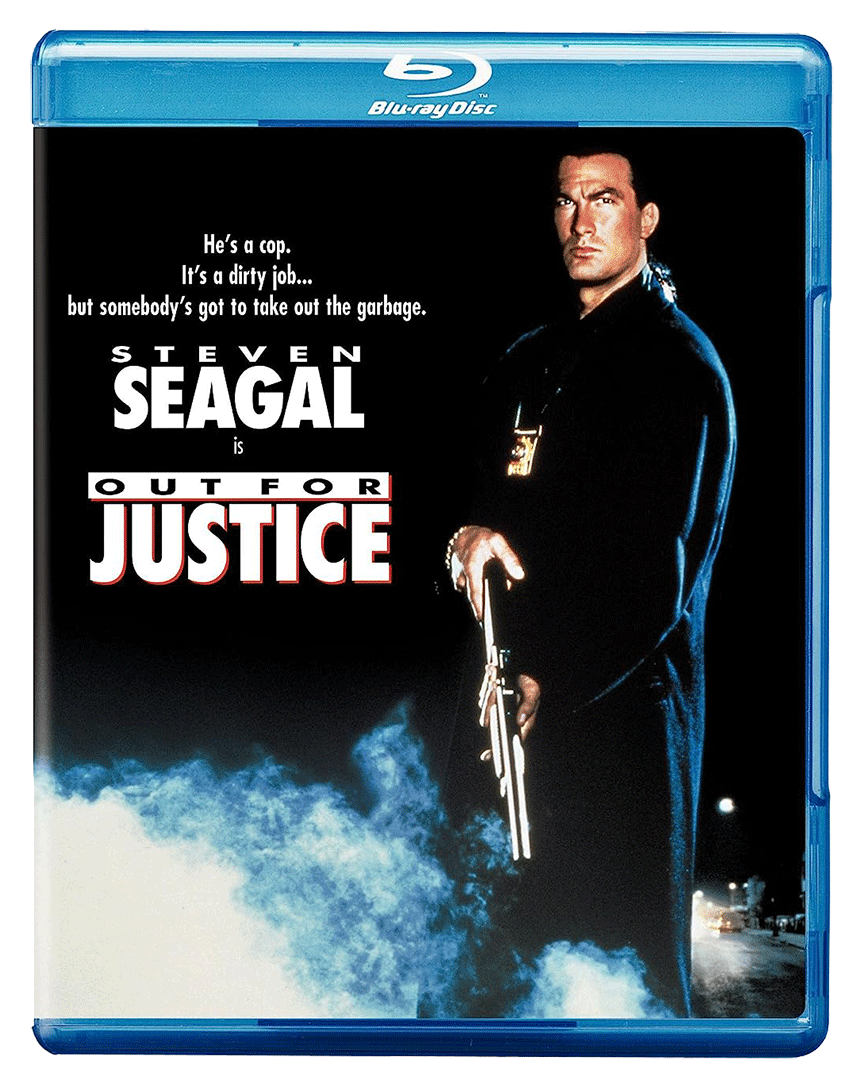
Deal on Fire! Out for Justice | Blu-ray | Only $5 – Expires soon!

Out for Justice | Blu-ray (Warner)

Out for Justice | Blu-ray (Warner)

Today’s Deal on Fire is the Blu-ray for Out for Justice, a 1991 actioner from legendary martial arts star Steven Seagal (Above the Law, Clementine, Attrition) and director John Flynn (Rolling Thunder).

Anybody seen Richie? The gruesome murder of a Brooklyn Detective will turn the case into a personal vendetta when the deceased’s best friend and fellow officer (Seagal) will unleash an all-out attack against a psychotic Mafia (William Forsythe, Boardwalk Empire) enforcer’s brutal gang.

Out for Justice also stars Jerry Orbach (Universal Soldier), Jo Champa (Don Juan DeMarco), Shareen Mitchell (Hudson Street), Gina Gershon (Face/Off), Robert LaSardo (Death Race) and a special Continue reading →

Posted in Deals on Fire!, News |

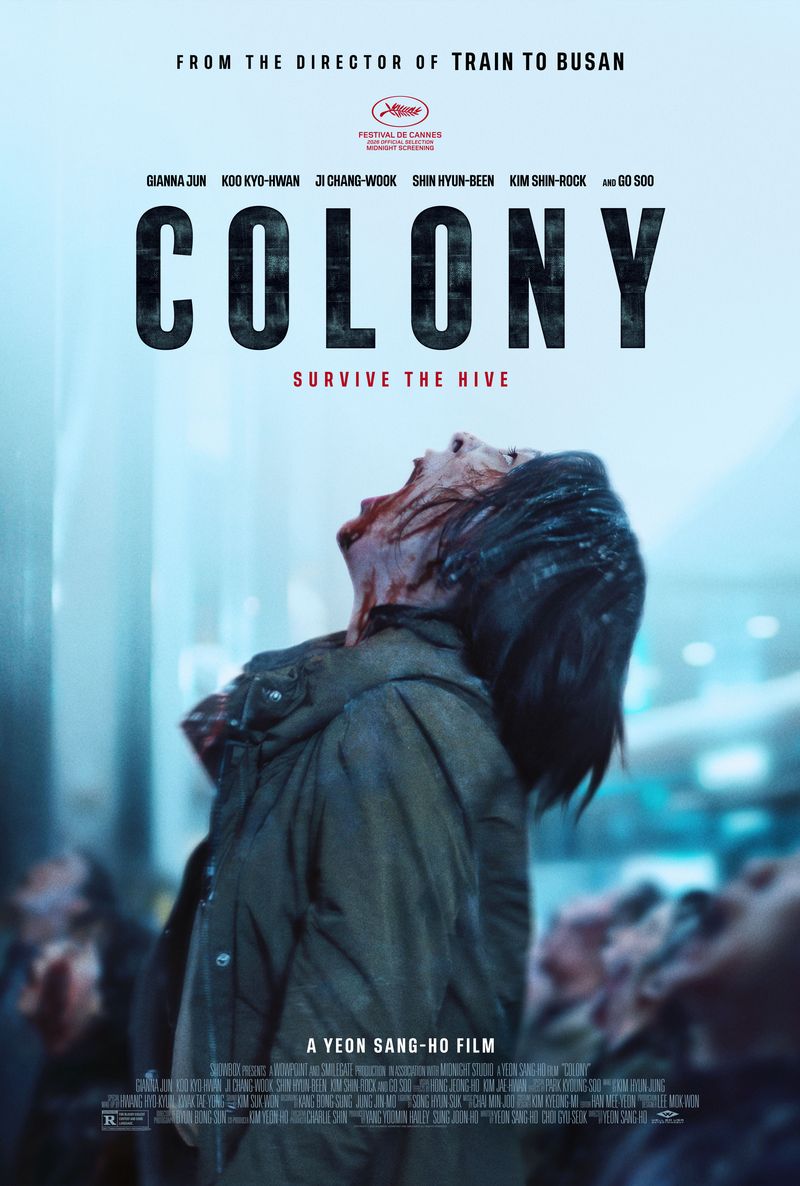
Return to the living dead! New Trailer for Well Go USA’s ‘Colony’ from ‘Train to Busan’ director Yeon Sang Ho

"Colony" Poster

Visionary filmmaker Yeon Sang Ho (Psychokinesis) – director of the 2016 hit Train to Busan and its follow up Peninsula – returns to the zombie subgenre with Colony, an upcoming thriller that stars Gianna Jun (My Sassy Girl, The Thieves), Koo Kyo-hwan (Escape, Peninsula), Ji Chang-wook (Fabricated City) and Shin Hyun-been (The Ugly).

Colony follows Se-jeong (Gianna Jun), a biotech professor attending a conference that suddenly turns deadly when a fast-mutating virus is released. As the infected Continue reading →

Posted in News |

Bow-wow-wow, yippie-yo, yippie-yay! Martial arts star Scott Adkins and Jesse V. Johnson teaming up for ‘Irish Dog’

Martial arts star Scott Adkins (John Wick 4, Ip Man 4, Triple Threat) is re-teaming with action director Jesse V. Johnson (Boudica: Queen of War) for FishCorb Films’ Irish Dog, an upcoming thriller that starts shooting this fall.

In the film, a London nightclub bouncer reluctantly agrees to chaperone an old friend, now a suave but untrustworthy gangster, on a “legitimate” trip Continue reading →

Posted in News |

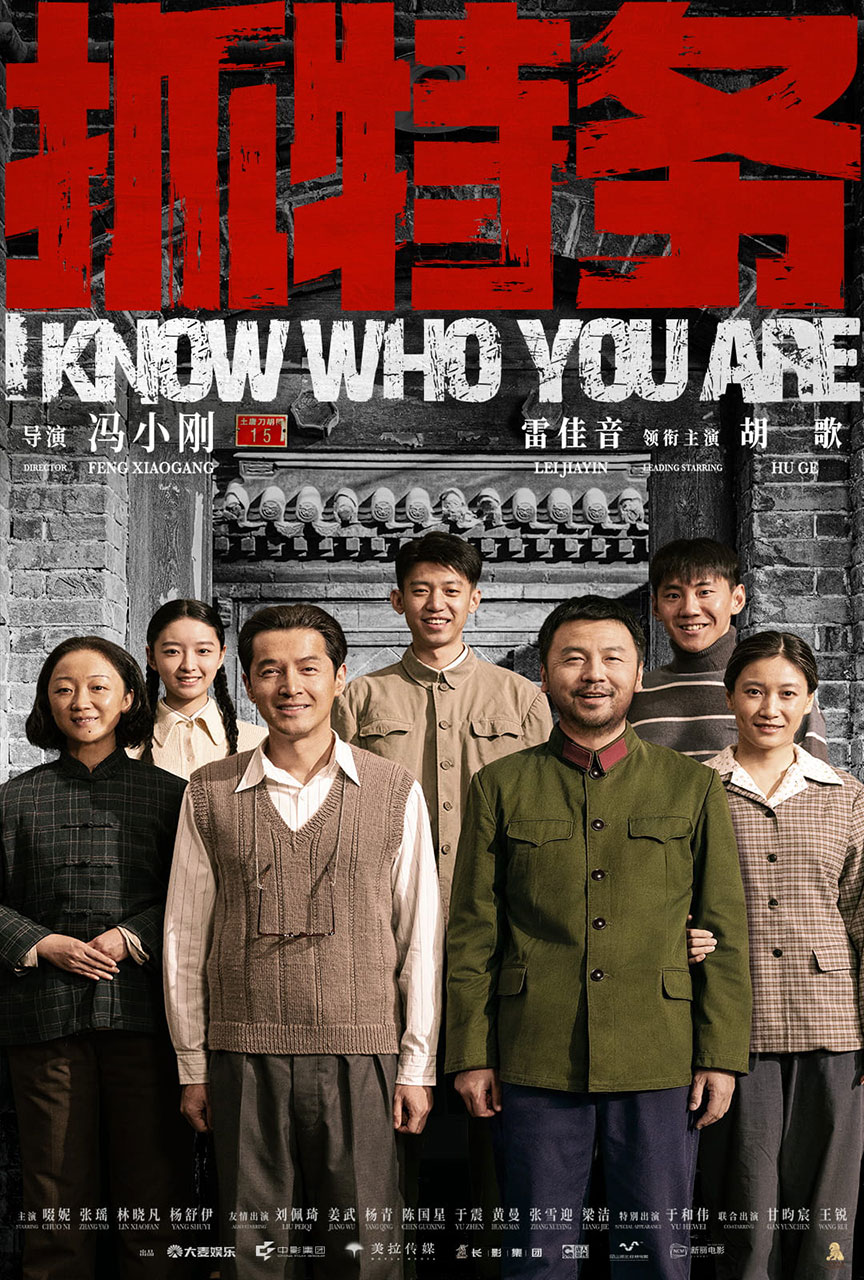
China Lion releasing Feng Xiaogang’s ‘I Know Who You Are’ to U.S. and Canadian theaters in July

"I Know Who You Are" Poster

Arriving in the U.S. and Canada from China Lion on July 3 (US) and July 10 (Canada) is I Know Who You Are, a period drama directed by Feng Xiaogang (Back to 1942, The Banquet),

When a military officer comes to believe that a local schoolteacher is a spy, he embarks on an obsessive, four decade pursuit to uncover Continue reading →

Posted in News |

Ara Paiaya awakens his 2006 martial arts cult classic ‘Death List’ for a New Generation on Prime Video

Independent filmmaker Ara Paiaya (Instant Death), best known for his cult kung fu action series Dubbed & Dangerous, has just released a newly digitally remastered and restored version of his 2006 martial arts film, Death List.

Death List was made in the spirit of the classic “cut and paste ninja” films popularized by Godfrey Ho (Manhattan Chase, Ninja Destroyer). It blends newly Continue reading →

Posted in News |

How Movies And TV Games Have An Effect On Entertainment And Pop Culture?

How Films Shape Global Entertainment, Popular Culture, and the Rise of TV Games Betting?

For more than a hundred years, cinema has been not just entertainment, but the foundation of our pop culture. We subconsciously copy what we see on the screen: from clothing style to habits. Moreover, now the influence of cinema has become even stronger. The aesthetics of big films have gone to smartphones, and even services with interactive TV games betting are starting to use cinematic techniques to keep us engaged. The viewer is no longer interested in just sitting and watching – people want to be inside the process. The industry understands this very well and blurs the lines between movies, shows, and games so that people cannot tear themselves away.

Source

From Standalone Releases To Cross-Media Franchises

It used to be simple: make a movie, show it in theaters, collect the cash, and forget about it. That is not how Hollywood works anymore. They are not content with just one film; they want entire universes. Take Marvel or Star Wars: the film itself is just an excuse. The real action happens after the credits. Games, amusement parks, merchandise, apps – they are ripping us off at every turn, just to keep us in this «world». Cinema has become just a giant showcase for selling a bunch of related stuff. And people are hooked.

Visual Aesthetics – How Cinema is Changing Video Games and Interfaces

Cinema has long dictated how we perceive images. Directors manipulate lighting, color, and editing to such an extent that it has become a benchmark—and game developers couldn’t resist. Today, AAA hits like The Last of Us, Red Dead Redemption 2, and Death Stranding are called “interactive cinema” for good reason.

Game creators use the same tricks as cinematographers in Hollywood: they play with focus, add lens distortion (the aforementioned “flares”), and carefully adjust color grading. All this is done so that we feel the character’s emotions, not just mash buttons.

But this is not just about cool console games. Even ordinary mobile apps or streaming services now look like cinema. Smooth transitions, high-quality sound, and vibrant animation are now the standard. People are used to everything around us being spectacular and «Hollywood-like», and developers are adapting to their needs.

Technological Symbiosis – Cinema As An Innovation Lab

Film has always been a testing ground for cutting-edge visual technologies. These innovations then migrated to the mainstream. Think of motion capture: it was pioneered by Peter Jackson in The Lord of the Rings, and perfected by James Cameron in Avatar. It is now the foundation – motion capture technology powers both game animation and modern virtual bloggers.

But now the opposite process has begun. Film studios have begun to adopt game engines like Unreal Engine. They now create virtual sets right on set in real time, which is how they filmed The Mandalorian. Film and game development have become so closely aligned that the tools used to create them are practically on par. This allows developers to easily transform cinematic images into interactive experiences for everyday users.

The Evolution Of Television Shows And Interactive Broadcasts

Have you noticed how much television has changed? All those 90s shows that used to be watched by the whole family have not disappeared – they have simply migrated to the internet. Now, those same quiz shows and lotteries have become live online games.

And it no longer looks like some cheap knockoff, but like a truly expensive show.

Studios, lighting, presenters on camera – everything just like on the major channels. Only now you are not just a spectator, but a participant: you can chat, influence the game, and place bets on the fly. Regular gambling has been packaged in the beautiful packaging of an expensive TV show, and this really draws people in who want to experience quality entertainment rather than just «push buttons».

Mechanisms For Integrating Cinema Into Global Pop Culture

There are a couple of fundamental aspects that help in understanding how films tend to change the entertainment industry. Among the mechanisms through which cinema dictates its rules to the digital world:

  • Transmedia storytelling. Expanding the film universe through comics, podcasts, and spin-off series, where each new platform reveals an unexpected side to the story and keeps the audience engaged.
  • Synchronized merchandising and collaborations. Simultaneous launches of limited-edition clothing, cosmetics, or in-game items on the day of a blockbuster’s world premiere.
  • Formation of visual archetypes. Establishing recognizable images in the public consciousness, which are then exploited for decades in casual games and advertising campaigns.
  • Popularization of music trends. Cinema’s ability to bring old hits back to the top of global charts, as happened with Kate Bush’s song in Stranger Things, or to create a fashion for synthwave and orchestral music in video games.
  • Adaptation to clip-based thinking. The accelerated pace of film editing, which trains the modern user’s brain to rapidly change frames, directly influences the design of short videos on TikTok and the dynamic interfaces of mobile apps.

The proper application of these fundamental mechanisms allows content creators to transform ordinary films into long-lasting cultural phenomena. It is precisely thanks to this multi-layered approach that the modern entertainment industry retains audience attention, monetizing a single successful idea across dozens of different platforms.

Source

Social Impact – Cinema as a Mirror and Compass of Society

Cinema has long ceased to be just entertainment; it is now the primary vehicle through which society discusses important issues. Minority rights, inequality, a future with AI – all these topics first surface in films and then take over social media feeds and podcast discussions.

The real action begins when a film really takes off. Viewers immediately embrace it: they create memes, film analysis videos, and cosplay. Fans do more for a film than any professional marketer, creating endless buzz around it. Film studios see this response and try their best to play along with the audience to keep the trend alive.

Posted in News |

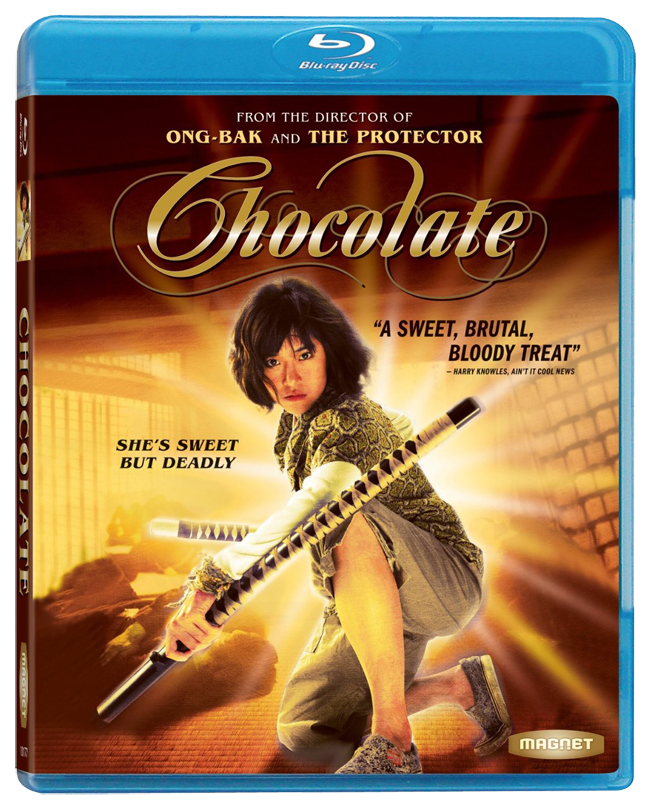
Deal on Fire! Chocolate | Blu-ray | Only $10.19 – Expires soon!

"Chocolate" Blu-ray Cover

“Chocolate” Blu-ray Cover

Today’s Deal on Fire is the Blu-ray for Chocolate, a 2008 martial arts thriller directed by Prachya Pinkaew (Ong-Bak: Muay Thai Warrior).

The film stars Yanin Vismitananda (Furious, Triple Threat, Hard Target 2 and Tom Yum Goong 2).  Reportedly, the director saw Yanin performing Taekwondo and was impressed enough to cast her in her own movie.

A young girl (Vismitananda) learns to fight from watching TV and the fighters from the boxing school next door. When she finds a list of debtors in her ailing mother s diary, she sets upon a violent quest to collect payment for medical expenses. Her quest is a dangerous one that ultimately leads her Continue reading →

Posted in Deals on Fire!, News |

Aces Go Places | 4K Ultra HD + Blu-ray (Shout)

On September 1, 2026, Shout is releasing the Aces Go Places Collection on 4K Ultra HD + Blu-ray. The set includes 1982’s Aces Go Places, 1983’s Aces Go Places II, 1984’s Aces Go Places Part III, 1986’s Aces Go Places IV, and 1989’s Aces Go Places V: The Terracotta Hit.

Also known as the Mad Mission series, the Aces Go Places films are directed by Ringo Lam (City on Fire), Tsui Hark (Zu: Warriors from Magic Mountain), Lau Continue reading →

Posted in Asian Titles, DVD/Blu-ray New Releases, Martial Arts Titles, News | Tagged |

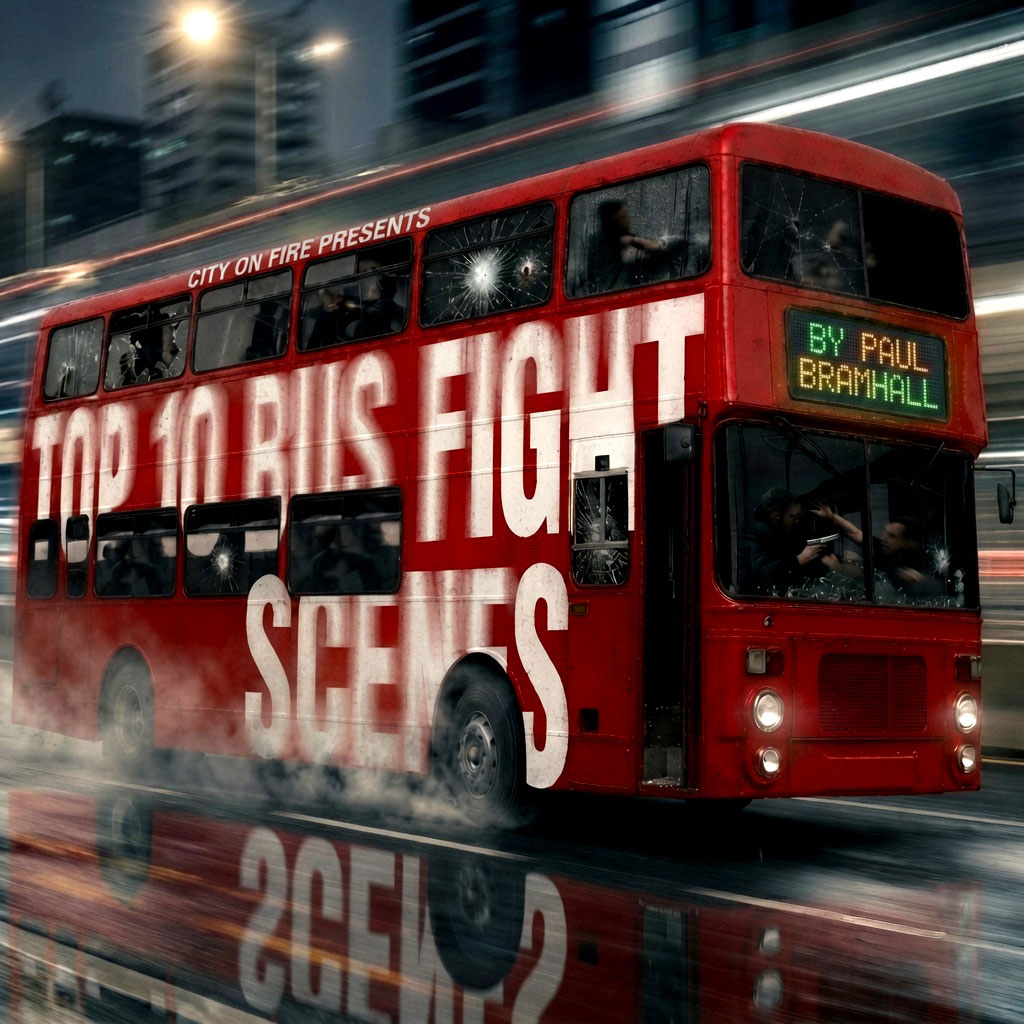
COF Presents: The Top 10 Fight Scenes on a Bus

When it comes to public transport in action movies, I’ve always felt like the humble bus tends to get shortchanged in favour of the train. I mean even a movie like Speed, that has its whole premise set around a bus, decides to end things with an action finale set on a train. I get it, trains offer plenty of scope for action scenes to play out in, but if done correctly, buses offer up the same potential (if not more) – you’ve got minibuses, double decker buses, open top buses, articulated buses, the list goes on.

So before we miss the stop, here at City on Fire we’ve decided to shine the spotlight on 11 movies that got it right when it comes to bus fights, giving them Continue reading →

Posted in Features, News |

Iko Uwais vs. Lewis Tan Round II: ‘The Raid’ and ‘Mortal Kombat’ stars face off in Keoni Waxman’s ‘Survive the Night’

Martial arts fans will soon get to see Iko Uwais (Timur, The Raid) and Lewis Tan (Wildcat, Mortal Kombat II) go head to head once again in Survive the Night, an upcoming action thriller from writer/director Keoni Waxman, the filmmaker behind Steven Seagal vehicles such as Force of Execution and Contract to Kill.

After failing to carry out a hit on rival crime boss, Paine (Uwais) is forced to flee town and crosses paths at a train station with Valeri, a mysterious pregnant Continue reading →

Posted in News |