




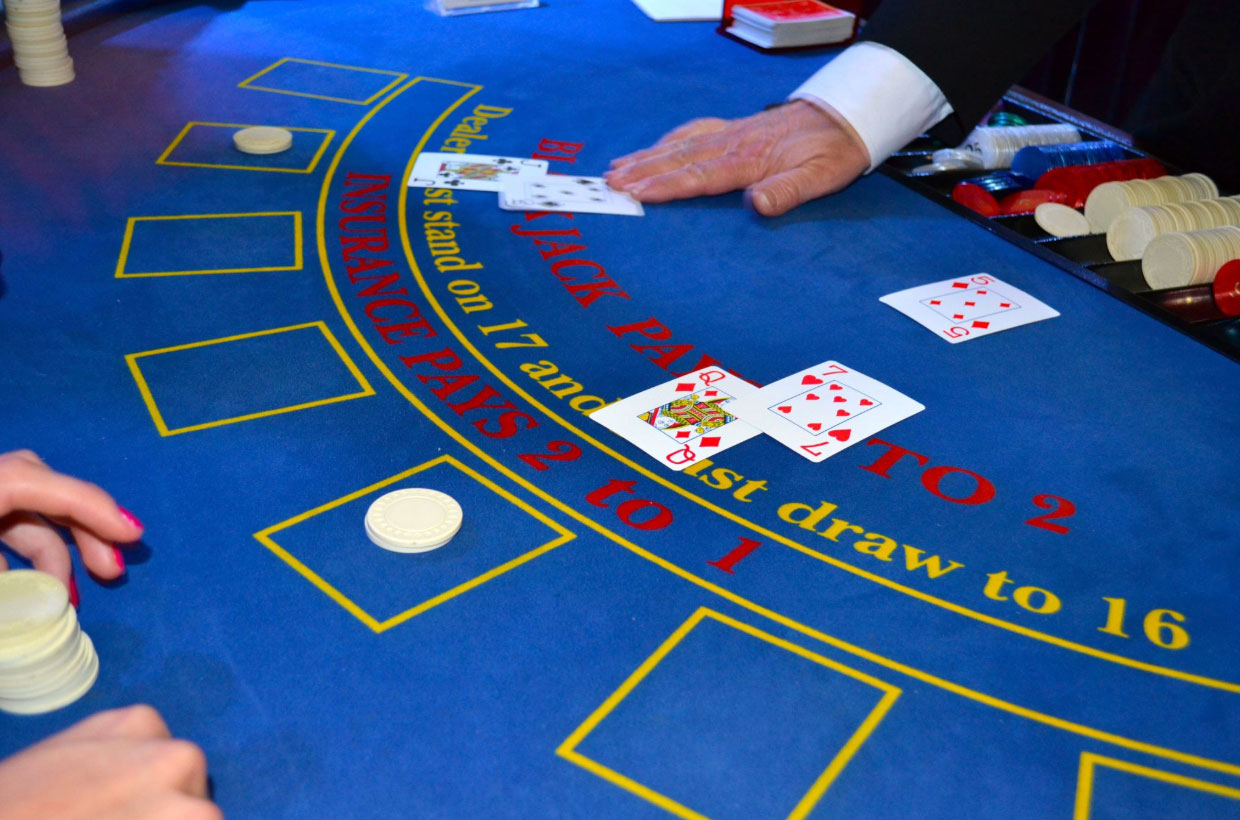
A live dealer game looks simple from the couch, but a lot happens off-screen to make it work. Behind every hand of blackjack or spin of the wheel sits a small production crew, a stack of hardware, and software that turns a physical action into a number on your screen in under a second. None of it runs on luck alone, and the setup behind a single table is more involved than most players ever notice.
What Makes A Live Dealer Game Different
Most casino games online run on a random number generator, a program that decides the outcome of a spin or a hand with no human involved. Live dealer games flip that model: a real person deals the cards or spins the wheel, and the result comes from that physical event rather than from code. Reviews and technical write-ups published by sites such as mejorescasinos-online.com cover how different operators present this format, but the core setup behind the table stays fairly consistent from one provider to the next, no matter which casino brand sits on top of it.
Inside A Live Casino Studio
Most live tables are not filmed inside an actual casino floor. Instead, they sit in purpose-built studios, made to look like a casino floor but built from the ground up for cameras rather than foot traffic.
The Room Setup
A single live table often needs more than one room to run. Here is roughly how the work gets split between them:
- Studio floor: Holds the tables, the dealers, and the camera rigs.
- Server room: Houses the equipment that processes video and game data.
- Monitor room: Staffed by an analyst or supervisor who checks the stream for errors or disputes.
This split keeps the studio floor free of clutter and gives technical staff a separate space to fix problems fast.
Where Studios Are Located
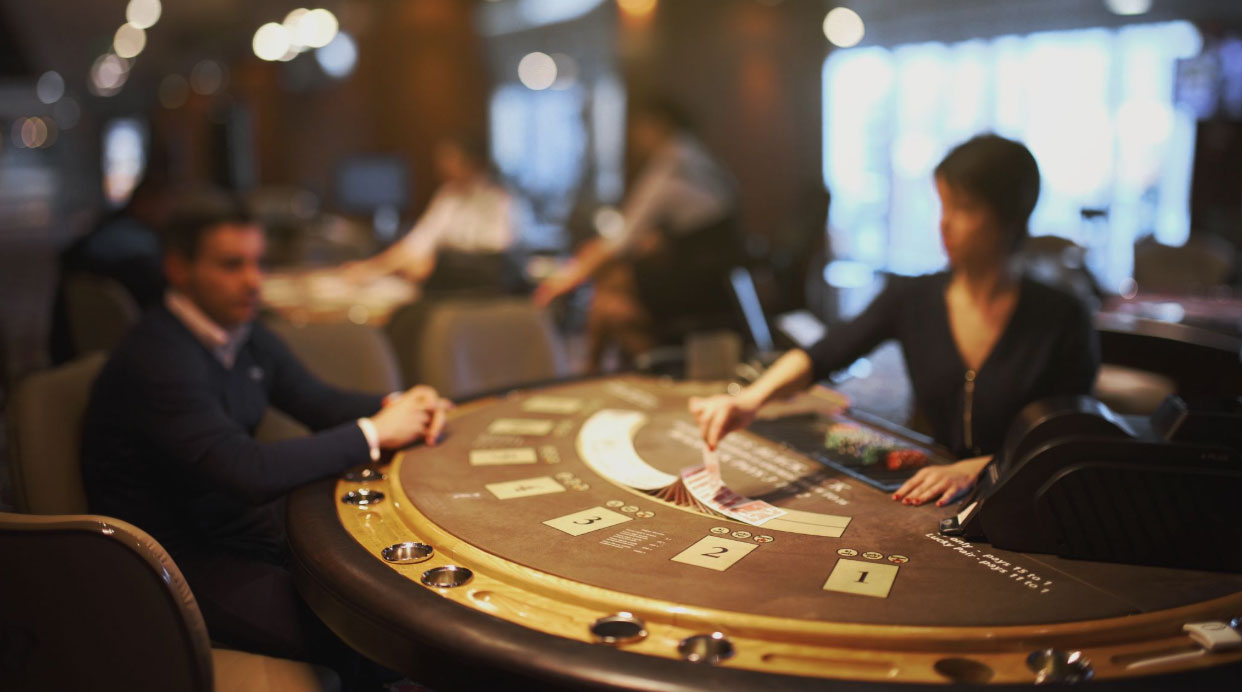
Providers such as Evolution and Playtech run studios in Latvia, Romania, Malta, and the Philippines, among other spots. A few operators still license tables straight from a real casino floor rather than a dedicated studio, though a purpose-built room gives more control over lighting and camera angles, so most large providers favor it now.
Dealers who work these floors complete formal courses on how to handle cards, house rules, and often speak several languages, since one studio can serve players across dozens of countries at once.
The Hardware That Turns Cards Into Data
None of this would sync up without a few pieces of equipment on every table. Together they turn a dealer’s motion into data the software on your screen can read.
The Game Control Unit
A box about the size of a shoebox sits under or beside every table. It encodes the video feed and sends game data to the platform, so your device shows the same result the dealer produced seconds earlier. Without this unit, the video stream and the betting interface would have no link to each other.
Optical Character Recognition
Cameras built into the table rely on optical character recognition (OCR) to identify cards as they are dealt and to track where a roulette ball lands. The system turns that information into digital data almost at once, which is why a card value or the number that wins can appear on your screen while the dealer still finishes the motion.
Multiple Camera Angles
A single table usually has several cameras pointed at it, not just one. One camera holds a wide shot of the whole table, another sits close on the cards or the wheel, and a control room switches between them as the action moves, much like a small television broadcast built around one game.
Rules That Keep The Stream Honest
A live dealer game depends on a camera and a person, so trust matters here more than it does with a fully automated slot machine. Properly regulated platforms face external audits from independent regulators like eCogra to confirm that outcomes match the stated odds, a check that applies to live tables as well as software-based games. Gambling regulators also require background checks on dealers, backup cameras in case of equipment failure, and clear rules for how a dispute between a player and a dealer gets resolved.
Why Providers Still Bother With Human Dealers
A studio costs far more to build and staff than a server farm full of slot algorithms. Real estate, lighting, camera gear, and dealer payroll all add up, yet providers still invest in this side of the business every year. A real person who shuffles a deck or drops a ball onto a wheel still draws players back, even though a random number generator could produce the same odds for less money. That gap between what code can prove and what a camera can show still fills live tables every night without fail.