


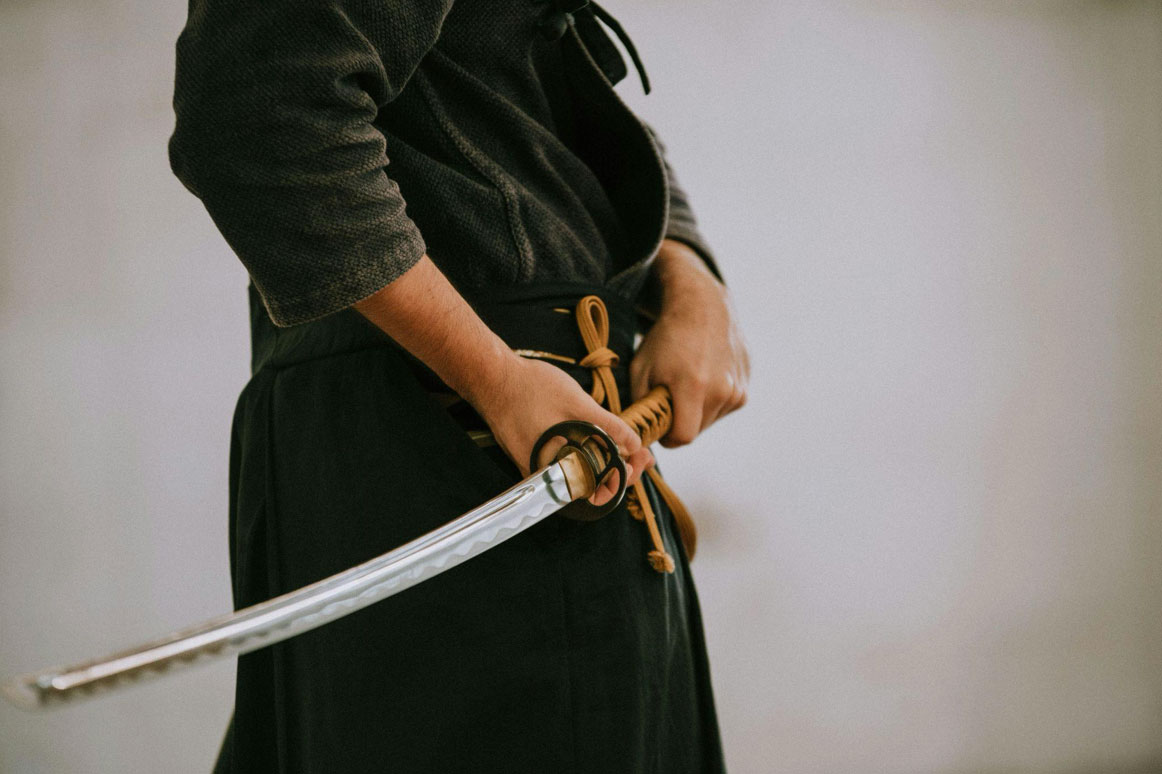
A lot of samurai films in Japan fall under jidaigeki, a wider category of historical drama placed before the modern age. Many stories take place in Edo-period Japan, where class rules, clan loyalty, sword law, and personal duty create pressure around every choice. Chanbara is the action-focused branch, built around sword fights, duels, pursuit scenes, and tightly controlled movement.
Samurai cinema can feel more engaging when you watch it with a Kazakhstani mail-order bride for international marriage who is interested in culture, film language, and thoughtful conversation.
Key Ideas for First-Time Viewers
A beginner does not need to start with every famous title at once. The clearest route is to learn the setting, watch how sword scenes build tension, compare major eras, and then move from Akira Kurosawa’s humanist action to Masaki Kobayashi’s darker critique of feudal honor.
Jidaigeki Settings
Jidaigeki settings place viewers inside a society with strict rank, formal speech, family obligation, and public reputation. The samurai is a servant of a lord, a member of a class, or a ronin who has lost the protection and income that came with a master.
Edo-period stories use inns, clan houses, castles, roads, villages, and training halls to show social distance. A bowed head, a delayed answer, or a carefully placed sword gives a scene meaning before anyone draws a blade. Beginners gain more from these films when they watch status and space as closely as combat.
Chanbara Sword Choreography
Chanbara fights rely on distance, footwork, waiting, sudden movement, and a few decisive cuts. Older black-and-white films use shadow, dust, rain, wind, and wide framing to make the sword fight feel physical rather than decorative.
Good sword scenes reveal practical details that change how the viewer reads the story:
- The pause before a strike shows fear, calculation, or restraint.
- A wide shot keeps the body movement clear during a duel.
- A crowded fight shows confusion rather than clean heroics.
- A quick ending makes sword violence feel abrupt and final.
This is why Seven Samurai still works as an entry point. Its action is exciting, but the battle scenes also show planning, exhaustion, mud, weather, peasant fear, and the cost of hiring warriors to defend a village.
Era Map
Samurai cinema changed across decades as Japanese film style, post-war memory, television competition, and international influence changed. A beginner’s path becomes easier when the main eras are separated by tone and viewing purpose.
|
Era |
Visual style |
Common themes and recommended viewing angle |
|
Silent and early sound period |
Stage-influenced blocking, formal movement, strong gesture |
Watch for theatre roots, social rank, and early sword-drama conventions |
|
Post-war golden age |
Black-and-white composition, rain, smoke, wide battle staging |
Focus on class, duty, ronin characters, group sacrifice, and moral pressure |
|
1960s revisionist period |
Harsh contrast, slower pacing, controlled violence |
Read the films as critiques of feudal codes, clan cruelty, and empty honor. |
|
Modern revival |
Colour grading, faster editing, genre blending |
Look for how older chanbara grammar influences action, anime, games, and global cinema |
Kurosawa’s Human Scale
Akira Kurosawa is the natural first director for many viewers because his films balance movement, character, weather, and moral conflict. Seven Samurai turns a village defense story into a study of leadership, class tension, fear, courage, and loss. The film is long, yet its structure remains clear because every recruited fighter has a role.
Yojimbo gives a different entry point. It is shorter, sharper, and built around a wandering ronin who manipulates rival gangs in a divided town. Its humor, violence, and lone-wolf structure influenced later Westerns and action films, which makes it useful for viewers who want to see how Japanese samurai cinema traveled across genres.
Kobayashi’s Moral Pressure
Masaki Kobayashi’s Harakiri belongs to the darker side of samurai cinema. The film uses a ronin’s visit to a clan house to expose cruelty behind formal honor. Its black-and-white images are precise, still, and severe, which makes each movement inside the courtyard feel controlled by ritual and power.
This kind of film is less about sword excitement and more about moral collapse. The viewer sees how rules that claim dignity become tools for punishment. For beginners, Harakiri is a strong second step after Kurosawa because it challenges the same world from a harsher angle.
A Clear First Viewing Path
A strong first path starts with Seven Samurai for scale, continues with Yojimbo for speed, then moves to Harakiri for critique. After that, viewers get more from titles such as Sanjuro, Samurai Rebellion, The Sword of Doom, 13 Assassins, or Ran because they already recognize the basic grammar of duty, rank, ronin life, and controlled violence.
Samurai cinema remains influential because it joins action with social structure. The sword fight matters, but so does the silence before it, the rule behind it, and the cost after it ends. A beginner who watches for setting, choreography, cinematography, and moral conflict sees more than warriors in costume and starts to understand why the genre still shapes modern film language.