Photo by Fervent Jan on Unsplash
Martial arts cinema has undergone a remarkable transformation over the past several decades, evolving from traditional kung fu productions into a major influence on international action filmmaking. What began as a genre closely associated with Chinese cinema has developed into a global entertainment phenomenon, inspiring filmmakers, performers, and audiences across different cultures.
The appeal of martial arts films extends beyond impressive fighting techniques. These productions combine physical discipline, storytelling, choreography, and visual creativity to create memorable cinematic experiences. From the pioneering performances of Bruce Lee to the elaborate action sequences found in contemporary blockbusters, martial arts have continually introduced new possibilities for screen entertainment.
Understanding this evolution reveals how traditional fighting styles, cultural influences, and changing filmmaking technologies have shaped modern action cinema while preserving the physical artistry that made the genre popular.
The Physical Discipline Behind Martial Arts Performances
One of the defining characteristics of martial arts cinema is the extraordinary physical preparation required from performers. Unlike action sequences that depend primarily on visual effects, traditional martial arts films frequently emphasized genuine athletic ability, carefully rehearsed movements, and precise coordination between performers.
Training often involved long hours of practicing techniques, developing flexibility, and refining choreography. Actors needed to understand not only how to perform movements convincingly but also how to cooperate with stunt partners to create believable sequences.
Physical preparation has always existed alongside personal routines involving nutrition, rest, and traditional wellness practices. Today, interest in these subjects extends to functional ingredients, including mushrooms that have appeared in different Asian cultural and nutritional traditions. The comparisons available through https://www.ryzesuperfoods.com/ explore lion’s mane and turkey tail mushrooms, their distinctive compounds, and their historical applications in wellness practices.
These traditional ingredients offer an interesting connection to the broader cultural environment from which many martial arts philosophies and customs developed. While filmmaking techniques have changed dramatically, the relationship between physical discipline, cultural traditions, and personal routines remains an important part of understanding the genre.
Bruce Lee and the International Popularity of Kung Fu Cinema
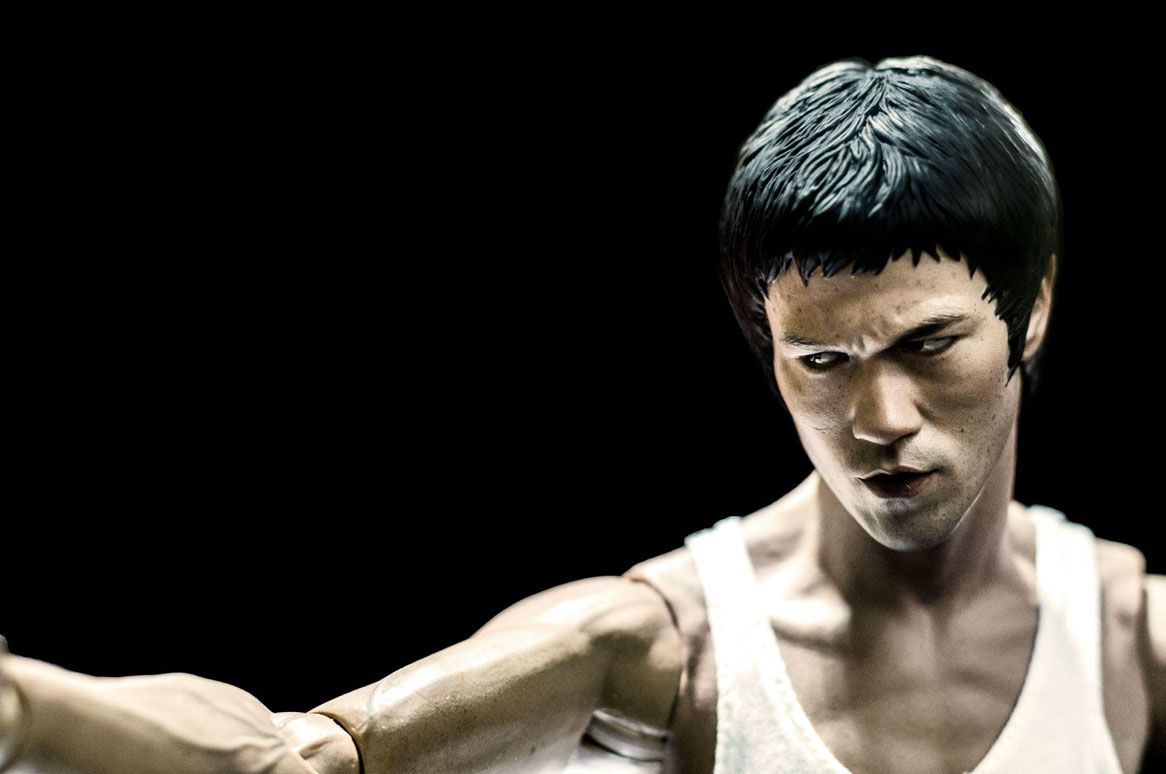
Bruce Lee played a defining role in introducing martial arts films to international audiences during the early 1970s. His distinctive fighting style, physical charisma, and philosophical approach helped transform perceptions of what an action hero could be.
Films such as The Big Boss and Enter the Dragon demonstrated that martial arts could drive compelling stories while delivering action sequences unlike those commonly seen in Western cinema.
Lee’s movements emphasized speed, precision, and directness, creating a visual style that audiences immediately recognized. His performances also brought attention to martial arts as disciplines involving mental focus and personal development.
His influence extended beyond individual films. International interest in kung fu increased, and filmmakers began incorporating martial arts choreography into different entertainment genres.
Although Lee’s career was tragically short, his contribution established a foundation for generations of action performers.
Jackie Chan Introduced Comedy and Creative Stunt Work
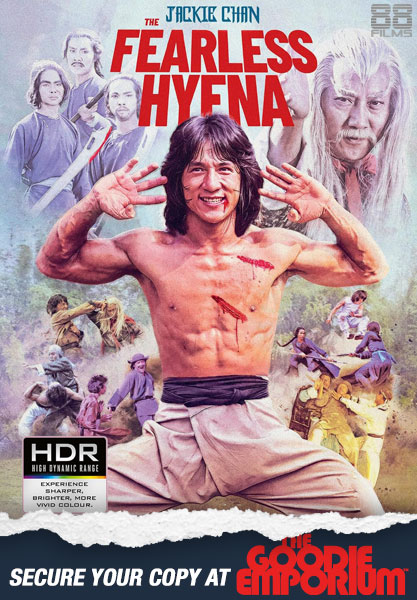
As martial arts cinema developed, performers began experimenting with different approaches to action choreography. Jackie Chan became particularly influential by combining martial arts techniques with physical comedy and elaborate stunt sequences.
Unlike the intense fighting style associated with Bruce Lee, Chan frequently portrayed characters who relied on improvisation, environmental awareness, and humorous reactions during confrontations.
Movies such as Drunken Master and Police Story demonstrated how ordinary objects and surrounding environments could become essential elements of fight choreography.
Chairs, ladders, tables, and other props helped transform action scenes into carefully coordinated performances that balanced danger with entertainment.
Chan’s approach also emphasized the importance of stunt coordination and rehearsal. His work influenced action directors internationally and demonstrated that martial arts films could appeal to audiences through humor as well as physical intensity.
Hong Kong Action Cinema Changed Fight Choreography
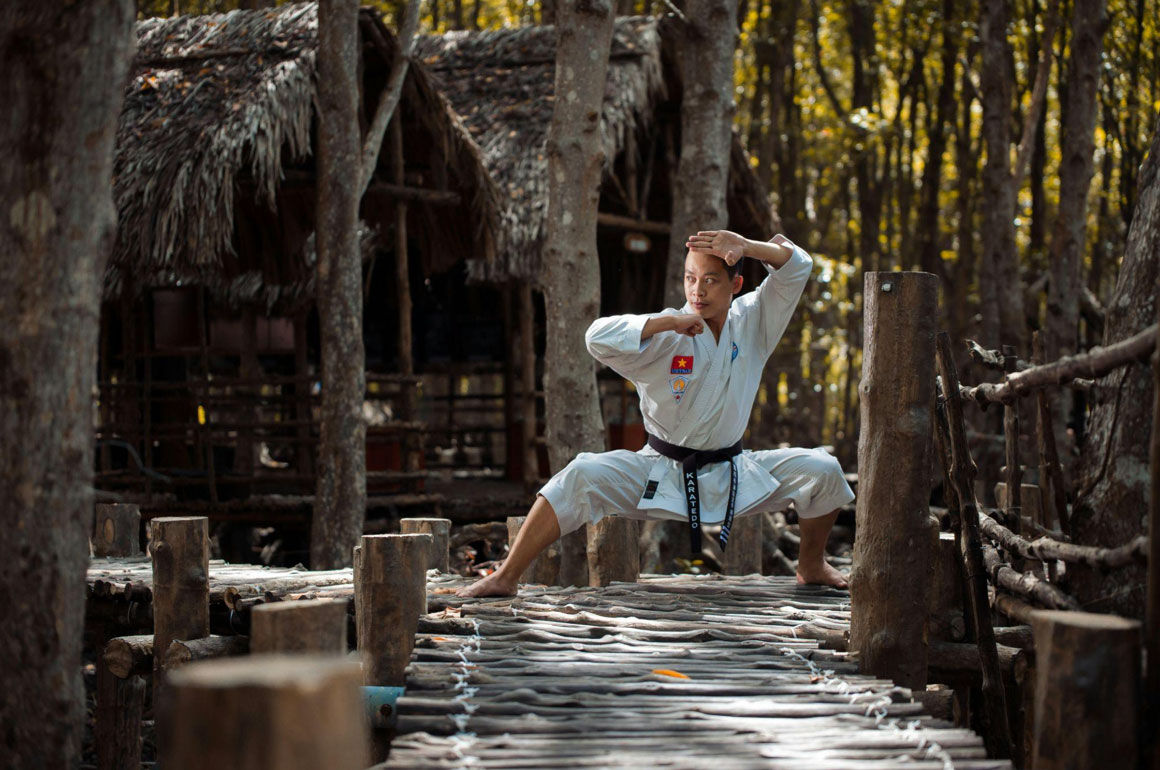
Photo by Thao LEE on Unsplash
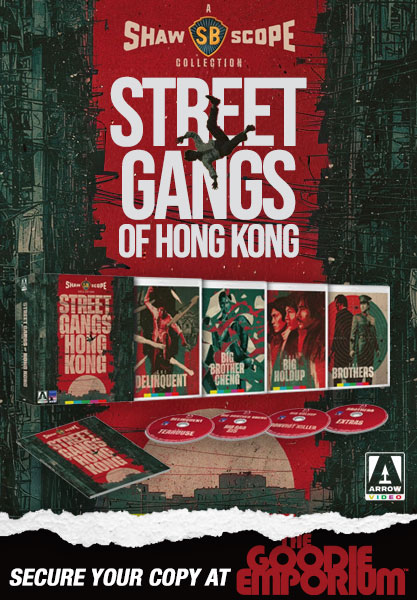
Hong Kong became an important center of action filmmaking during the twentieth century, producing movies that combined martial arts, crime stories, and increasingly sophisticated stunt work.
Directors and choreographers experimented with editing, camera placement, and movement to create fight scenes with greater rhythm and visual impact.
Performers such as Sammo Hung, Yuen Biao, and Jet Li contributed to this development through their technical abilities and distinctive screen presence.
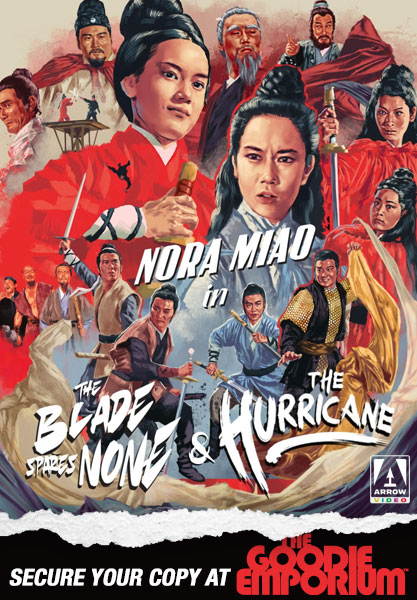
Some productions favored realistic physical exchanges, while others embraced acrobatic movements and stylized combat inspired by traditional Chinese martial arts.
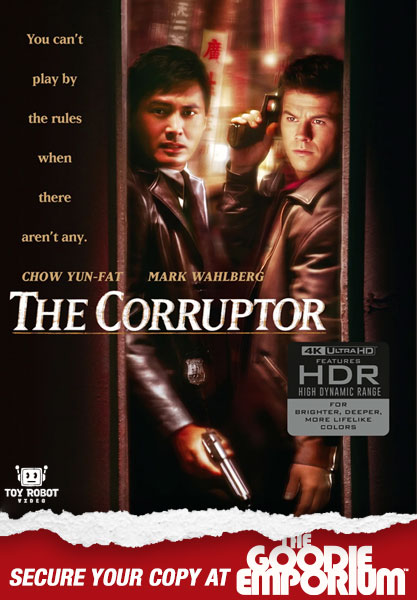
The influence of Hong Kong cinema eventually reached Hollywood, where filmmakers began adopting faster choreography and more elaborate stunt sequences.
This exchange of techniques helped reshape the expectations audiences brought to modern action films.
Hollywood Brought Martial Arts Into Mainstream Blockbusters
By the late twentieth century, martial arts choreography had become an increasingly important element of American action cinema.
Films such as The Matrix introduced international audiences to elaborate fight sequences inspired by Hong Kong cinema. The production’s use of martial arts specialists and carefully choreographed movements created a distinctive combination of physical performance and visual effects.
The success of these techniques encouraged filmmakers to incorporate martial arts into superhero films, science fiction adventures, and international thrillers.
Actors increasingly trained in boxing, kickboxing, judo, Brazilian jiu-jitsu, and other disciplines to prepare for demanding action roles.
This development expanded the visual vocabulary of action filmmaking. Fight scenes became opportunities to express character personalities, establish relationships, and advance stories rather than serving exclusively as spectacles.
Modern Action Films Combine Tradition With Technology
Contemporary martial arts cinema benefits from technological developments that previous generations of filmmakers could scarcely imagine.
Digital cameras, advanced editing software, and visual effects allow directors to create complex action sequences while maintaining greater control over presentation.
Practical choreography remains essential to many successful modern productions. Films such as The Raid and the John Wick series demonstrate the continued appeal of carefully rehearsed physical action.
These productions combine techniques from different martial arts disciplines with modern cinematography, creating sequences that emphasize movement, timing, and character development.
International collaboration has also expanded the genre. Performers, stunt coordinators, and filmmakers from different countries regularly exchange techniques and creative ideas.
As a result, modern action cinema draws inspiration from a wider range of fighting traditions than ever before.
The Lasting Influence of Martial Arts on Cinema
Martial arts films have evolved considerably, but their central appeal remains connected to physical skill, disciplined preparation, and imaginative storytelling.
Classic kung fu productions introduced audiences to extraordinary performers and distinctive cultural traditions. Later generations expanded the genre through comedy, innovative stunt work, and increasingly sophisticated choreography.
Modern filmmakers continue building on these foundations while incorporating new technology and international influences.
The popularity of martial arts cinema also demonstrates how a genre rooted in particular cultural traditions can develop worldwide appeal without losing its recognizable identity.
Ultimately, martial arts cinema remains a celebration of movement, creativity, and cinematic craftsmanship. From carefully choreographed traditional fights to ambitious modern action sequences, its evolution reflects the enduring ability of physical performance to tell compelling stories across cultural and linguistic boundaries.