


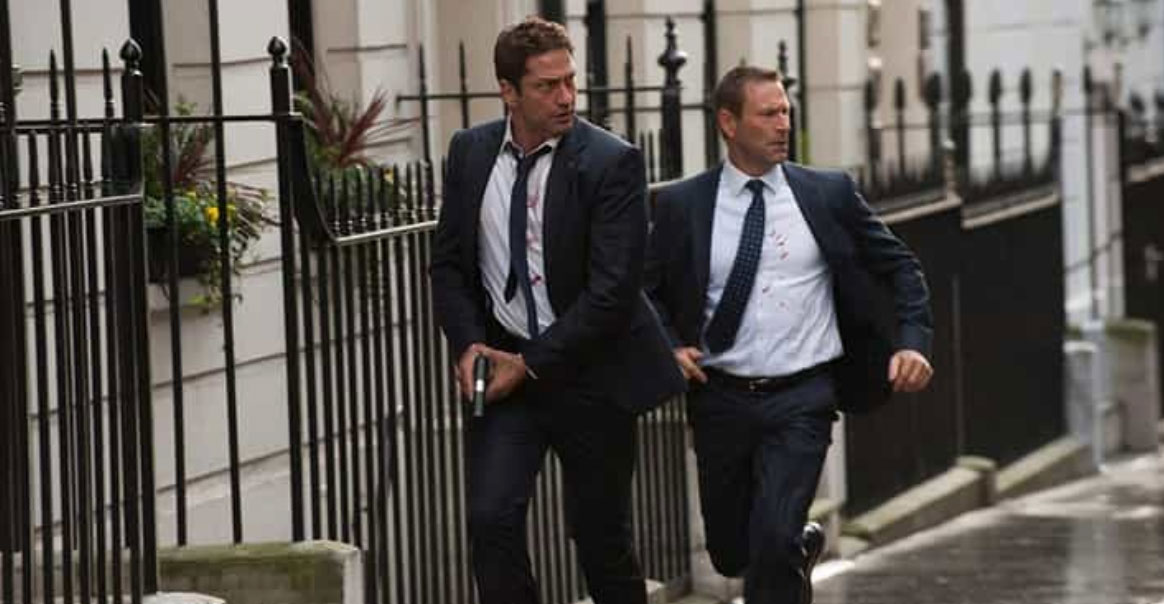
This article takes a hard look at the action films set across the United Kingdom that have defined two decades of gritty, grounded cinema — from Gerard Butler’s relentless security detail tearing through London landmarks to Scott Adkins trading bare-knuckle blows in a northern pub backroom. These are films that refused the superhero gloss, chose wet pavements over CGI skies, and made British streets feel like the most dangerous places on earth.
The Rise of British Action Cinema: A Genre Built on Grit
For a long time, the idea of Britain as a genuine action-film powerhouse felt like a stretch. Hollywood owned the genre, and the UK was largely content exporting period dramas and prestige biopics. Then something shifted around the mid-2000s. Directors and producers started leaning into what makes British storytelling different — moral complexity, class tension, post-imperial disillusionment, and a knack for finding menace in mundane locations. The result was a wave of films that didn’t look or sound like anything coming out of Los Angeles. Where American action films frequently resolve in triumph and moral clarity, British action cinema tends to leave mess on the floor. Pub fights replace skyscrapers, rain-slicked cobblestones replace desert highways, and the heroes are flawed in ways that feel earned rather than engineered. UK independent studios championing regional voices, action stalwarts like Scott Adkins and Guy Ritchie pushing homegrown combat and stylised violence, and film councils such as the BFI and Creative Scotland promoting UK-set action as exportable cinema have all played a central role in building this identity from the ground up.
London Has Fallen (2016)
By 2016, London Has Fallen wasn’t just a sequel — it was a statement. The follow-up to Olympus Has Fallen brought Gerard Butler back as Secret Service agent Mike Banning and relocated the carnage from Washington D.C. to the streets and landmarks of central London. Buckingham Palace, Westminster Bridge, and the Thames all become active war zones as a global terrorism plot targets world leaders gathered in the capital for a state funeral. The film is listed on IMDb, cited extensively by Empire magazine, and referenced repeatedly in Screen Rant’s coverage of Butler’s action filmography. Butler’s Mike Banning is relentlessly physical, darkly funny, and morally uncomplicated in a way that functions as a kind of relief valve against more self-serious contemporaries. For all its chaos, London Has Fallen weaponised British iconography in the service of full-throttle spectacle, making the city look simultaneously vulnerable and indestructible.
Outlaw (2007)
Nick Love’s Outlaw is arguably the angriest film on this list — a gritty vigilante drama that channels the fury of a particular post-Iraq British mood, one where the social contract felt broken and the institutions that were supposed to deliver justice had comprehensively failed. Sean Bean leads a cast of ex-soldiers and civilians pushed to the edge, taking the law into their own hands against London crime in ways the film refuses to entirely endorse or condemn. The Guardian gave the film substantial critical attention, recognising its political dimensions, while Total Film assessed its action credentials. The Iraq War casts a long shadow over the film’s world: veterans returned from conflict to find a country that neither understood nor valued their sacrifice carry a specific kind of disillusionment that felt urgent in 2007. The Guardian’s coverage highlighted the film’s willingness to sit in the discomfort of its own premise, while Total Film noted its kinship with the British social-realist tradition. The London it depicts is not the postcard capital of London Has Fallen but a grimier, more ambiguous city where crime operates openly.
Jackdaw (2023)
Jackdaw is the newest film on this list and, in some ways, the most formally inventive. Directed by Jamie Childs, it follows a former motocross racer — played by Thomas Turgoose — dragged into a single night of criminal chaos in neon-drenched northern England. NME praised its visual identity and the BFI noted its importance as an example of regionally funded British action cinema done right. Turgoose, best known from Shane Meadows’ This Is England, brings an authentic working-class credibility to the role that no amount of casting could manufacture. His physical performance during the film’s kinetic chase sequences draws directly on his character’s motocross background, giving the action scenes a grounded, mechanically plausible quality. Jackdaw’s visual palette — deep blues, wet-street amber, the cold fluorescence of petrol station forecourts — feels specifically northern in a way that amounts to genuine aesthetic argument. The BFI’s involvement reflects a funding philosophy that has become increasingly important: if the UK wants to compete internationally in genre filmmaking, it needs stories from all corners of the country. For fans who track genre trends and wager on emerging film properties, platforms like the best sports betting apps have increasingly seen markets open around independent British film releases and awards nominations — a sign of how seriously the industry now takes regionally funded cinema.
The Advocates Driving British Action Forward
None of these films emerged in a vacuum. UK independent studios championing regional voices and authentic British grit have made deliberate, sometimes financially risky choices to back this genre. Scott Adkins and Guy Ritchie sit at the centre of British action cinema’s aesthetic identity — Adkins as both performer and ambassador demonstrating that British action can compete internationally on craft and physical commitment, and Ritchie contributing a stylistic framework of fast cuts, stylised violence, and London swagger that influenced an entire generation of filmmakers. Institutional funding bodies have been equally important: the BFI’s support for films like Jackdaw signals recognition that genre filmmaking is not a lesser form of British cinema, but a legitimate vehicle for national identity and commercial success. Creative Scotland has similarly backed action-adjacent productions that locate their stories in Scottish settings and communities. These funding decisions represent a pragmatic bet that British action cinema, properly supported, can generate returns and build an infrastructure of craft that serves the entire industry.
Public Perception and Critical Reception
Audiences have responded consistently to the qualities that distinguish British action from its American counterpart: moral ambiguity, grounded settings, and the absence of invincible heroes. Critics from The Guardian to NME have noted the same thing — British action cinema has developed a distinct identity, and that identity is one of its greatest competitive assets. Audiences praise these films for grounding action in realism: pub fights, wet pavements, and moral ambiguity replace superhero tropes. The iconography is deliberately anti-spectacular — a fight in a British action film hurts, the protagonist bleeds, tires, and makes mistakes. Settings like pub car parks, housing estate stairwells, and rain-slicked dual carriageways create a sense of stakes that CGI-heavy blockbusters, for all their scale, rarely achieve. Empire, Total Film, and the BFI’s own publications have highlighted this quality as the genre’s defining strength. Critics highlight craftsmanship and identity: British action now feels distinct, not derivative.
Where British Action Cinema Goes Next
The films covered here — London Has Fallen (2016), Avengement (2019), Outlaw (2007), Jackdaw (2023), and — represent a genre that has earned its place in the wider action cinema conversation. The combination of competent execution and irreducible national identity is the argument British action cinema is making for itself. It is not trying to be Hollywood, and it is the better for it. With the BFI, Creative Scotland, and a new generation of regionally-funded studios continuing to back projects that refuse easy glamour in favour of authentic British grit, the next two decades of UK action cinema look as charged and as purposeful as anything the genre has produced so far.