



For lovers of Asian genre cinema the world of boutique Blu-ray releases has become a treasure trove of incredible releases aimed right at the serious aficionado. The mainstay labels: Criterion, Arrow, Shout have been joined by smaller specialized labels focused squarely on bringing films that have traditionally not gotten the love they deserve from physical releases to collectors with the best presentation possible.
One of the most interesting such labels is Error_4444 baked out of Maryland in the United States. I sat down with Logan Hamrick and Samuel Antezana for an exclusive interview about the state of physical media with the goal of helping to bridge the divide between fans and distributors, and give everyone an insight into where that business is in 2024.
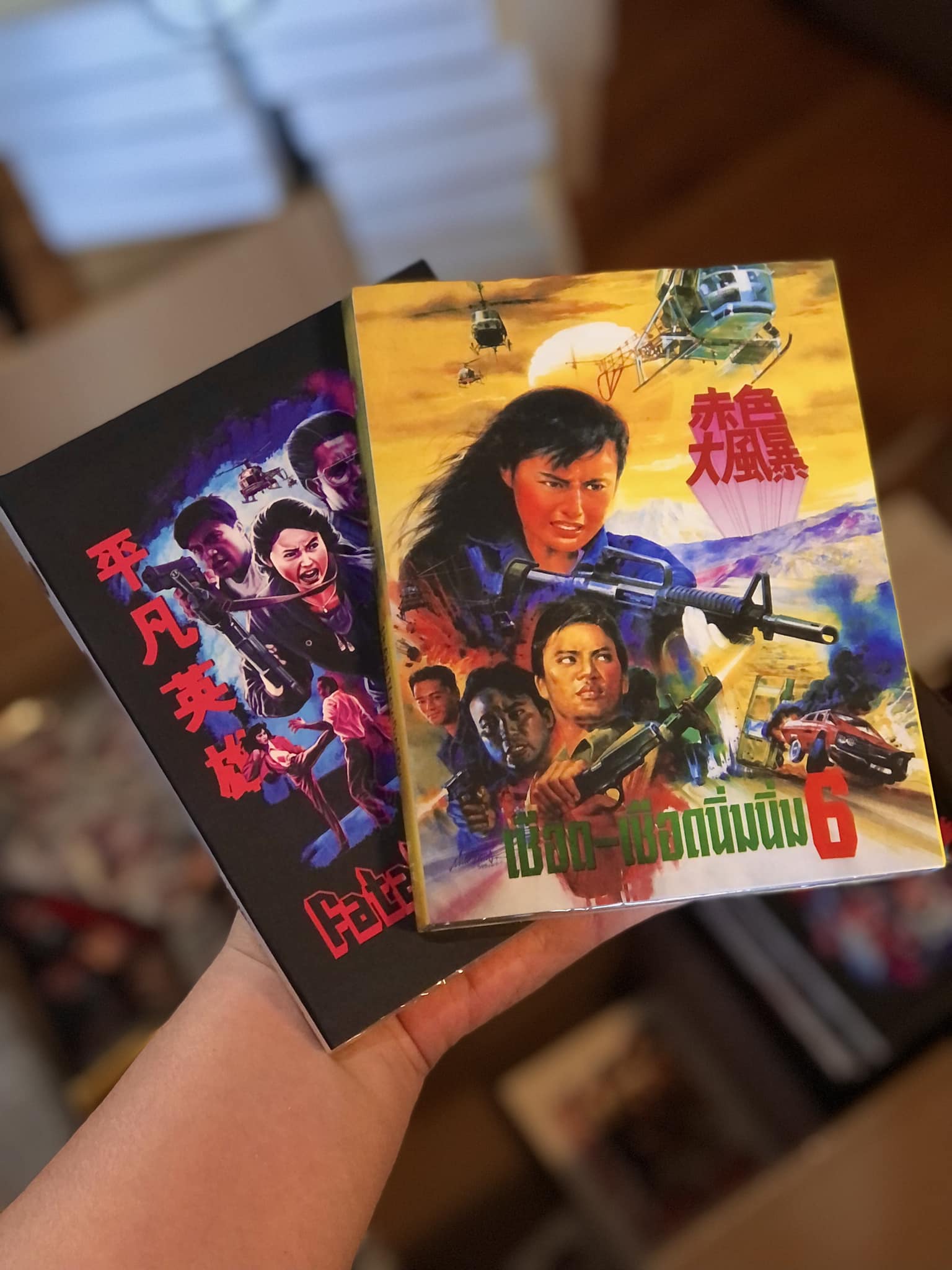
Error_4444’s Angel Termination Blu-ray release.
Will McGuire: Good afternoon, gentlemen. Let’s start with the easiest question: Who are you, and what do you do?
Samuel Antezana: My name’s Samuel Antezana —-
Logan Hamrick: And I’m Logan Hamrick
SA: And we’re “Error_444” a boutique film distribution label focused on Asian genre cinema. So, anything weird: horror, exploitation, action, sci-fi, you name it and that’s what we’re going for. Our mantra is “By collectors, for collectors” because we’re big believers in physical media and keeping that alive.
WM: For those who don’t know, what’s the origin of the name “Error_444”?
SA: It was honestly a joke. We were thinking about a lot of different things: inside jokes, and tropes that would make sense if you knew something about Asian culture. The number 4 is considered bad luck amongst many Asian cultures. Then the “Error” was my joke, if you remember those old PCs you would get error codes like 101. So why don’t we pair these two things that are symbols of bad luck? Some people
have picked up on, as we’ve gotten bigger.
WM: What films inspired you and your love of Asian cult cinema? What was that first movie that was your connection to film outside the mainstream?
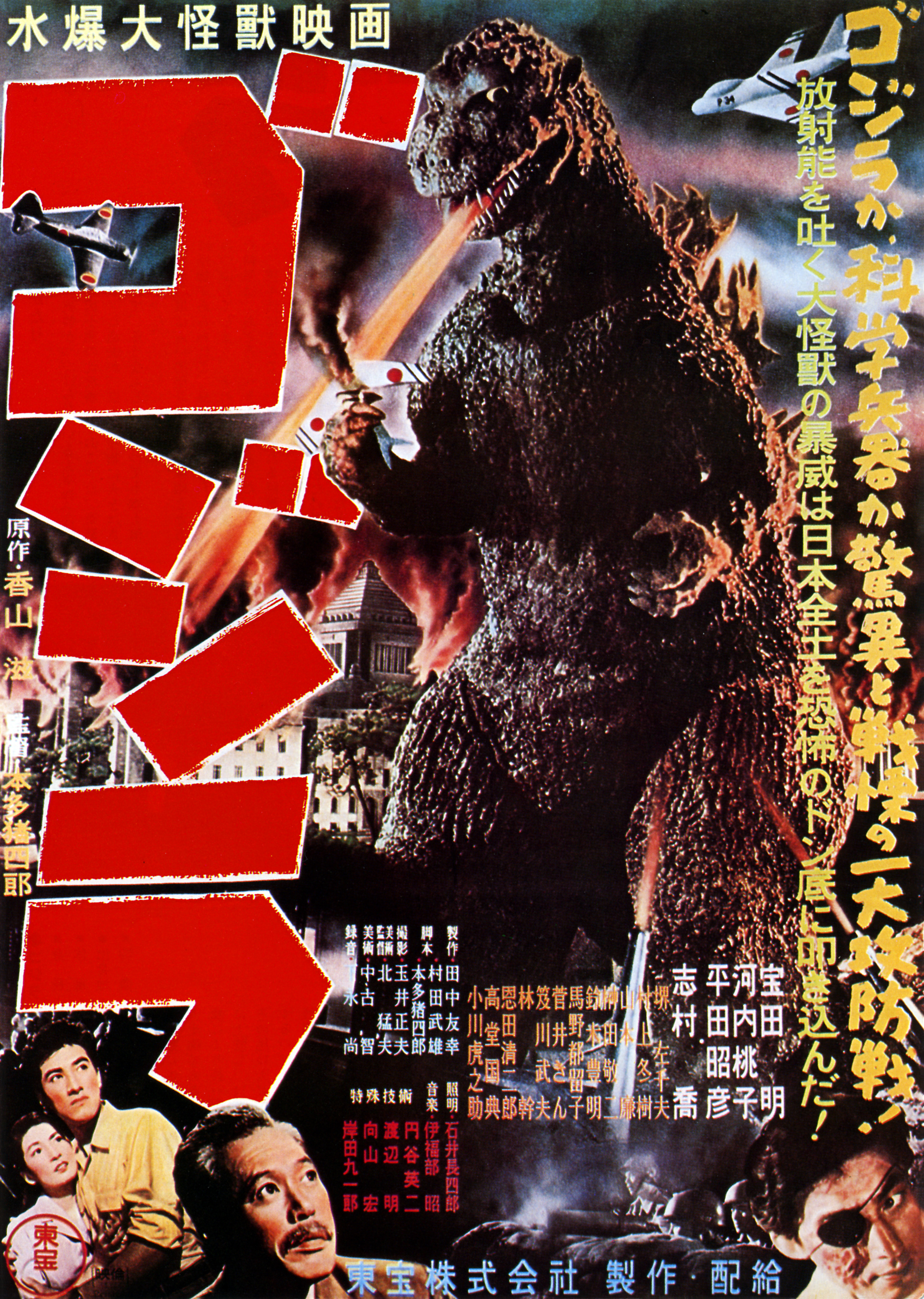
“Godzilla” Japanese Theatrical Poster
LH: For me, it was Godzilla and Gamera and old kung fu films, poorly dubbed, that I would watch on VHS and TV that really spoke to me. Then later on I would want to see them in their original language and uncropped.
WM: You’re so right about seeing those films in their original language and letterboxed. I remember the culture shock of seeing Shaw films in college without dubbing and realizing ‘Oh man, these are great films.’
LH: Yeah, sometimes the dubs can be fun to watch but they can also bring the movie down.
SA: That’s a good segway to mine because I got into martial arts stuff through Bruce Lee. A cousin showed me Way of the Dragon where he’s fighting Chuck Norris and I thought it was super crazy and violent, because unlike Rush Hour which I had seen, people were literally killing each other with their fists. When my Dad found out he dug out his films from his closet and we went through them. I grew up on the dubs but they always felt ‘off’ to me. Later on in high school, we got to watch these films with better scans and original language. We like the dubs, but nowadays it’s difficult to watch the film without the original language.
WM: I love how relatable your answers are: Godzilla and Bruce Lee. You’ve gone from that to Run and Kill. What was the first exploitation film that got you off the beaten path?

SA: The Italian film Cannibal Holocaust pushed me in that direction and made me want to see crazier stuff. Then the Korean film I Saw the Devil, along with a found footage film The Butcher on a Tartan DVD. Bringing it back to Error_444, Run and Kill, funny enough, was really the film that reignited my passion for Hong Kong cinema. I had kind of a lull period and then I found out about Cat III films a few years back and did the research on “All right, what do I need to see?” It’s still my favorite insane Asian flick and my favorite Cat III film. I didn’t even think we could put it out because it’s so early for us.
LH: We had to track that one down early on. We had these films we really wanted the most: Funky Forest, Centipede Horror, Red Spell Spells Red, and he really wanted Run and Kill and Red to Kill because when we found Run and Kill we found that one as well. All the movies Sam mentioned we watched together and that’s where my experience comes with them.
WM: What makes a film an Error_444 film? What are you looking for and what is the process in dealing with overseas rights holders?
LH: Good question. We look for the merit of it, and if it affects us. It has got to be something we want to return to, or really live in, because we make the subtitles from scratch. Sometimes, like on Funky Forest or Red Spell Spells Red we’ll be making the subtitles and we’ll realize ‘Oh man, these movies are REALLY good. You really notice the direction in Red Spell when you go frame-by-frame. Or the vignettes in Funky Forest, when you take them to the level of frame by frame you really notice the craftsmanship in putting them together. At the end of the day, we just want to find stuff that we would buy, because we’re fans at the end of the day.
In terms of getting the rights it really depends on the region and who you’re dealing with. Some places are living in the 90’s when DVD sales were huge and that just isn’t how it is now. So we have to negotiate and there are some films we want that are just impossible for where we are. Some films we can get easily and some we really work for.
WM: Following up on that: you guys own a boutique blu ray label. Where do you see physical media going in the future?
SA: I think that some people use the phrase “physical media renaissance” like with the rise of vinyl. We’re kind of in a good spot where companies like Severin Films and Vinegar Syndrome are making it cool to collect again, and these companies are giving an almost Criterion Collection treatment to movies that might not have been seen as deserving to other people’s eyes and that might grab the attention of younger people’s eyes who might not have been buying films. I see people buying now who are even younger than us and I hope that continues and reinforces and strengthens the industry we’re in. I also think streaming services and their negatives are making an argument for us: people are constantly playing “Where’s Waldo?” with the film you want to watch. It’s a common thing now where if you have your favorite films, you own them. So we’re in a good spot online, but I personally don’t think it’ll make that return in storefronts. Even video games are starting to disappear from brick and mortar outlets, but we have something to look forward to online and that will keep growing.
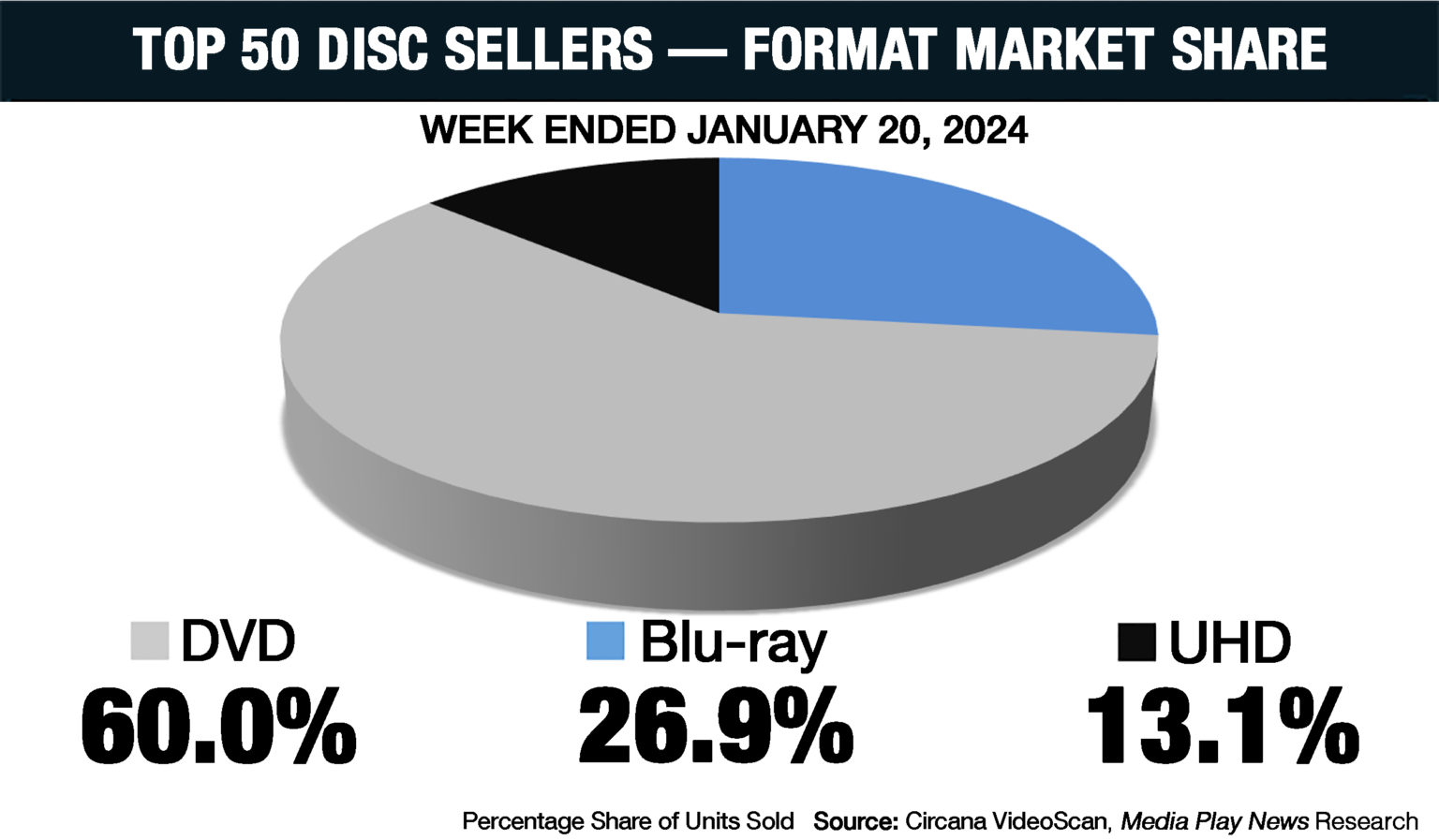
LH: It is a group effort with social media bigger than ever and we hope that interviews like this will help someone find out about us. We have screenings and we’re seeing people return to the theaters. None of our titles are streaming, which helps us as well.
WM: That leads into my next question: For the last two years Asian cinema in particular has been ascendent across all labels as opposed to say Euro-Horror, as it was when I got into collecting.
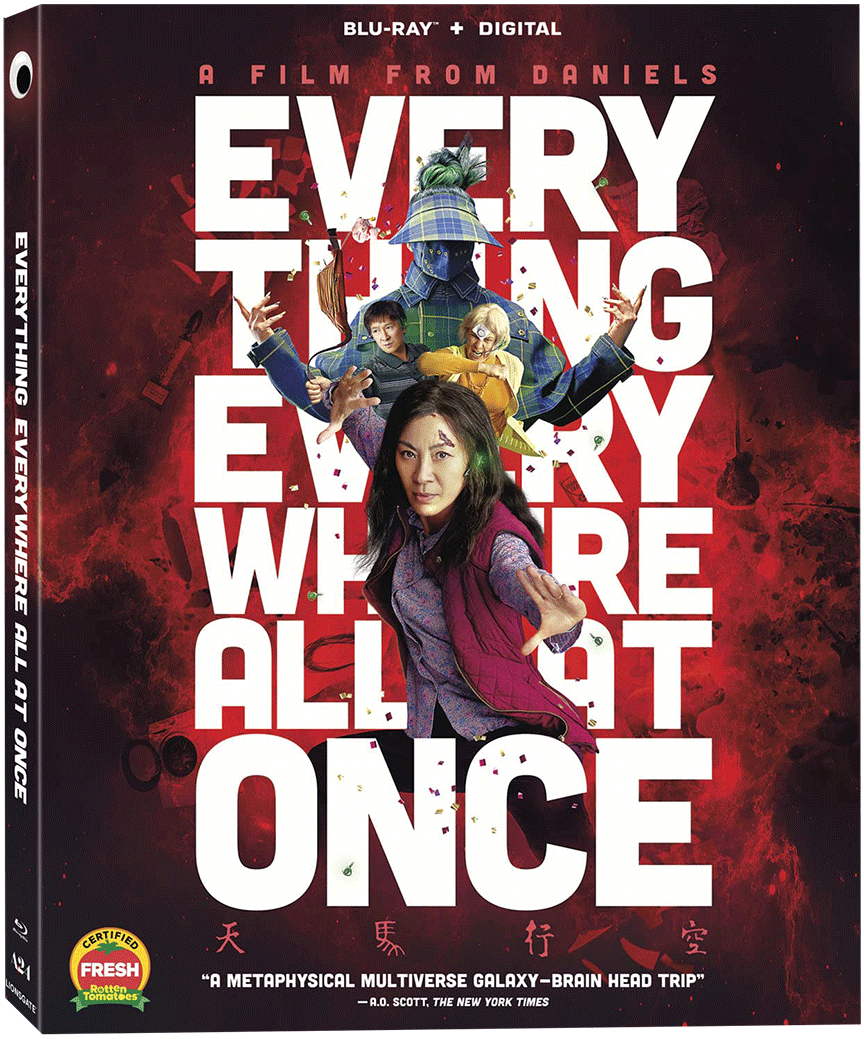
Everything Everywhere All at Once | Blu-ray (Lionsgate)
LH: When we started we didn’t see a label that was doing what we wanted: Arrow was doing more mainstream stuff like Robocop, and now they’re doing Hong Kong films. I don’t know, I think it’s just catching on, it’s the time for it. These films are catching on and being rediscovered. Even with the Academy Awards for Everything Everywhere All at Once that got people checking out Michelle Yeoh films and Jackie Chan films again.
WM: Yeah, I mean Jackie Chan is 70 and Hidden Strike was the top film for Netflix in many international markets last year.
SA: That’s crazy, I didn’t even know that. I go back to when Parasite won the Oscar. There were always people into Japanese and Korean cinema but I think Parasite really cemented that the mainstream US audience is paying attention to Asian cinema. I think Korean cinema really had a hand in that because they’re really the new Hong Kong because they’re pumping out films the way Hong Kong was in the 80’s and 90’s. I think people’s tastes in cinema have changed and people aren’t afraid of subtitles anymore.
I think also people have rediscovered a lot of Cat III movies. Of course, lovers of horror and exploitation cinema are always going to gravitate towards anything boundary pushing. I think with that and what’s going on in Hong Kong there’s been some concerns about censorship. There were rumors that the Chinese government would get hands on prints and we wouldn’t be able to see these films again, and so a lot of people wanted to get their hands on these films and save them. I always want to get my hands on these films and save them, and it’s a wave. If Criterion is doing a Jackie Chan box set and Heroic Trio next, you know you’re on the pulse of something.
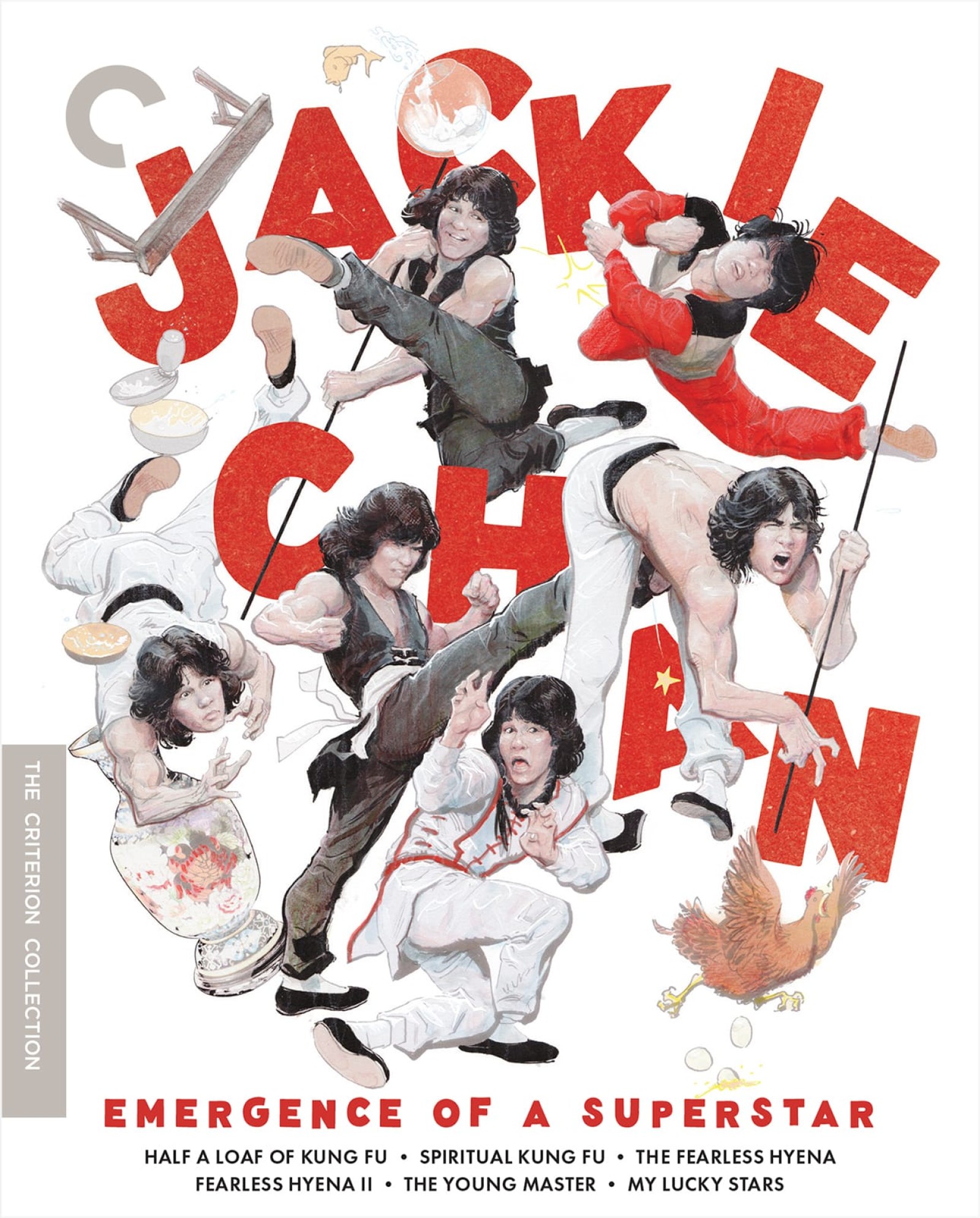
Jackie Chan: Emergence of a Superstar | Blu-ray (Criterion)
WM: Well, where else do you find 14 film box sets? Look at what Arrow and Shout Factory are doing with Shaw Brothers
SA: (laughs) Yeah, for sure.
WM: Finally, what are your goals for Error_444 and where do you see yourselves going?
LH: We want to grow, we want to reach more people. We’re doing two more horror conventions this year and show people a different side of horror. I know this year the plan is to release eight more films which is more than we’ve ever done. I just want to keep the level of quality in films and presentation high. If we start slacking, it’s time to close up shop.
SA: We always want to keep in mind: What are the movies we would want to buy, and how would we want to buy them? When we get the movies in we feel like they’re ours– we’re putting it on the shelf and it’s part of the collection now. That same attention to detail and love for physical things is everything. It sounds silly but when I get a new box set from Arrow I want to take it apart–
LH: (laughs) And smell–
WM: Oh yeah, that new plastic smell.
SA: It’s everything: the booklet, the reversible artwork, the lobby cards, the posters. We love putting those in because when we see them, we think ‘Oh, it’s so great that they took the time. It’s so great that they thought of this.’ It’s all about keeping the quality level as high as possible.
WM: Thanks so much for your time.