


 Image credit Unsplash
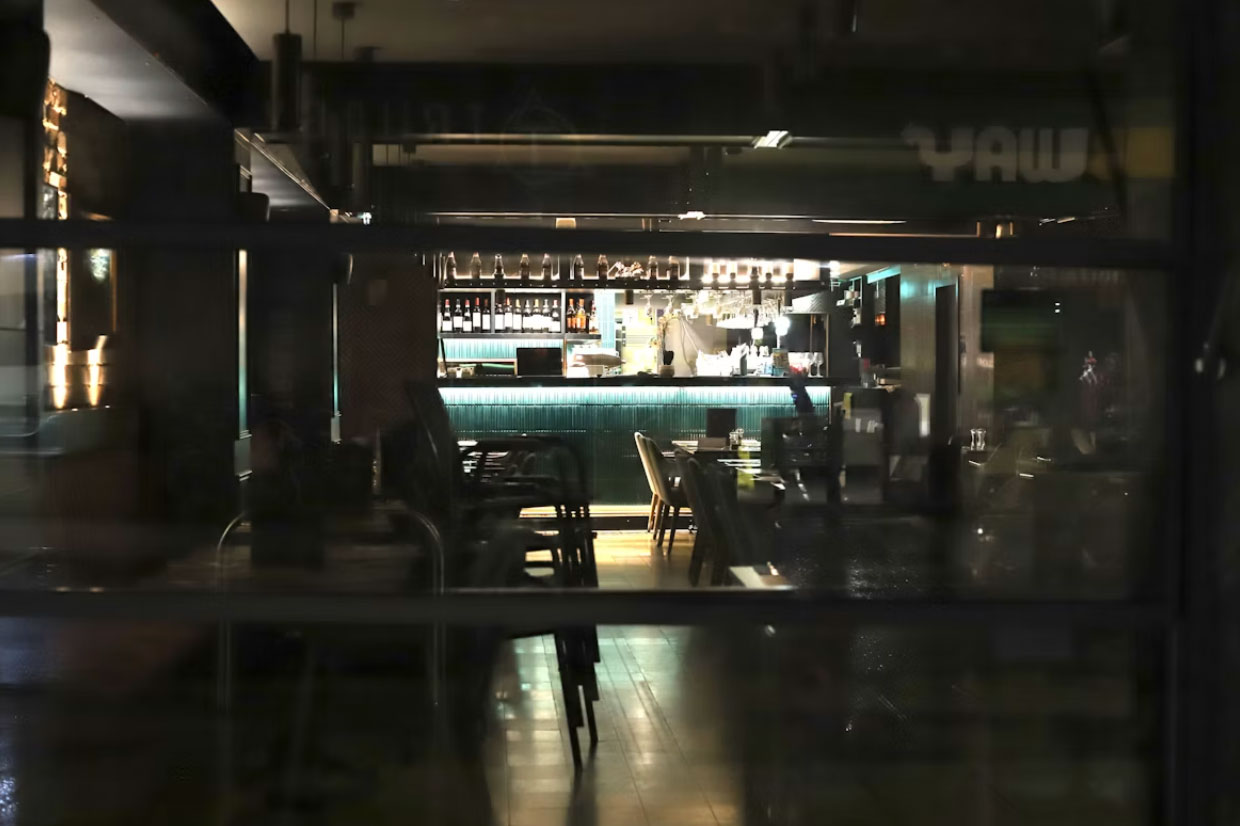
Every city shows a different side of itself once the sun goes down. While daytime is all about work and errands, the night is for connecting, expressing ourselves, and letting loose. This after-hours change isn’t just because it’s dark; it’s shaped by the places we go to find our people. Cult entertainment venues, those unique, often niche spots with a dedicated following, truly build modern nightlife. They create scenes and subcultures that define a city’s spirit long after the offices have closed.
What Defines a “Cult” Entertainment Venue?
A cult venue is more than just a popular bar or club. It’s a place with a clear identity and a fiercely loyal clientele who feel like they own the space. Think of a dive bar with a legendary jukebox, an underground club known for a specific music genre, or a performance art space that constantly pushes boundaries. These places get their character from their atmosphere, which often comes together by chance through their history, decor, and the people who hang out there.
Their “cult” status comes from feeling like you’ve discovered something special. You don’t usually just stumble upon these places; a friend typically brings you, or you follow a tip from someone “in the know.” This creates a self-selected group of patrons who share similar tastes or views. This shared identity turns a simple business into a cultural landmark, where regulars are greeted by name and newcomers feel like they’ve found a home.
Beyond the Mainstream: The Allure of Niche Nightlife
With so many options available today, people are getting tired of one-size-fits-all experiences. While generic, chart-topping nightclubs have their place, many are looking for something more specific and personal. This is where niche venues shine. They cater to particular tastes, whether it’s a love for 80s synth-pop, a passion for craft cocktails, or an appreciation for burlesque. The more specific the theme, the more dedicated the following.
You can see this shift in how people search for a night out. They aren’t just looking for “bars”; they’re searching for “a retro arcade bar” or “a quiet speakeasy.” Someone looking for the best strip club near me isn’t just after any venue; they want a specific kind of atmosphere, performance, and experience that mainstream places might not offer. This desire for curated experiences leads people off the usual path and into the arms of cult venues that promise something unique and memorable.
More Than a Night Out: Building Community and Identity
The most successful cult venues do more than just serve drinks or play music; they build communities. They act as “third places,” environments outside of home and work where people can socialize, relax, and form meaningful connections. For many subcultures, from goths and punks to electronic music fans and LGBTQ+ communities, these venues have historically been safe havens and vital social hubs.
Here, shared interests become the basis for friendships and creative collaborations. A bar that hosts an open mic night becomes a starting point for local musicians. A club dedicated to a specific dance style trains the next generation of dancers. These spaces affirm identities and foster a sense of belonging, proving that nightlife’s essential role in urban culture is not just frivolous entertainment. They are like the living rooms of our cities, where the stories and relationships that define our social lives are created.
The Ripple Effect on Urban Culture
The influence of cult entertainment venues goes far beyond their walls. They are powerful economic and cultural drivers. Economically, they create jobs, support a network of suppliers, and often help revitalize neighborhoods, bringing people and investment to areas that might otherwise be overlooked. There are significant opportunities in the nightlife sector that cities can encourage to foster growth and vibrancy.
Culturally, these venues set trends. The music played in an underground club today could be on mainstream radio tomorrow. The fashion seen on its dance floor can influence designers and high-street brands. By giving a platform to emerging artists, musicians, and performers, these venues act as incubators for creativity, enriching the city’s cultural landscape and keeping it dynamic and innovative. They are living laboratories for what’s new and next.
Cult entertainment venues are at the heart of a city’s nightlife. They offer more than just a place to go after dark; they provide space for identity, community, and cultural creation. By celebrating what’s niche and championing what’s unique, these establishments make our cities more interesting, more vibrant, and ultimately, more human.