
 Photo by Nick Wang on Unsplash
Martial arts cinema has influenced action filmmaking for decades, inspiring generations of directors, actors, stunt performers, and fans around the world. While explosive visual effects and elaborate CGI dominate many modern blockbusters, the greatest martial arts films continue to captivate audiences through authentic choreography, disciplined performances, and stories built around determination, honor, and perseverance. Every carefully executed kick, throw, and counter reflects countless hours of training, making these films feel grounded even when the action reaches extraordinary heights.
Whether someone is discovering the genre for the first time or revisiting longtime favorites, certain martial arts films deserve a place on every action fan’s watchlist. Their influence extends far beyond the box office, shaping how fight scenes are choreographed across cinema while introducing audiences to legendary performers whose dedication transformed the genre into a respected form of cinematic storytelling.
Bruce Lee Redefined Action Cinema
Few individuals have influenced martial arts films as profoundly as Bruce Lee. Although his film career was remarkably brief, productions such as The Big Boss, Fist of Fury, The Way of the Dragon, and Enter the Dragon established a new standard for realism, speed, and physical expression on screen.
Lee’s performances combined technical precision with remarkable charisma, allowing audiences to appreciate martial arts not only as combat but also as an art form requiring discipline, philosophy, and personal growth. His screen presence inspired filmmakers across Asia, Europe, and Hollywood while encouraging countless viewers to begin martial arts training themselves.
Even decades after their release, Bruce Lee’s films remain essential viewing because they demonstrate how authentic movement and compelling storytelling can create timeless action sequences without relying on elaborate visual effects.
Jackie Chan Turned Creativity Into an Art Form
While Bruce Lee emphasized intensity and technical precision, Jackie Chan introduced a completely different approach by combining martial arts with comedy, elaborate stunt work, and remarkable creativity. Films including Police Story, Project A, Drunken Master, and Armour of God showcase action sequences that remain impressive because nearly every stunt was performed physically rather than digitally.
Chan’s choreography transforms everyday environments into opportunities for inventive action. Ladders, chairs, shopping carts, ropes, and even simple household objects become integral parts of his fight scenes, creating memorable moments that balance humor with extraordinary athletic ability.
His willingness to perform dangerous stunts also raised expectations for practical filmmaking, influencing generations of action directors who continue studying his work when designing visually dynamic fight sequences.
Modern Martial Arts Films Continue Raising the Standard
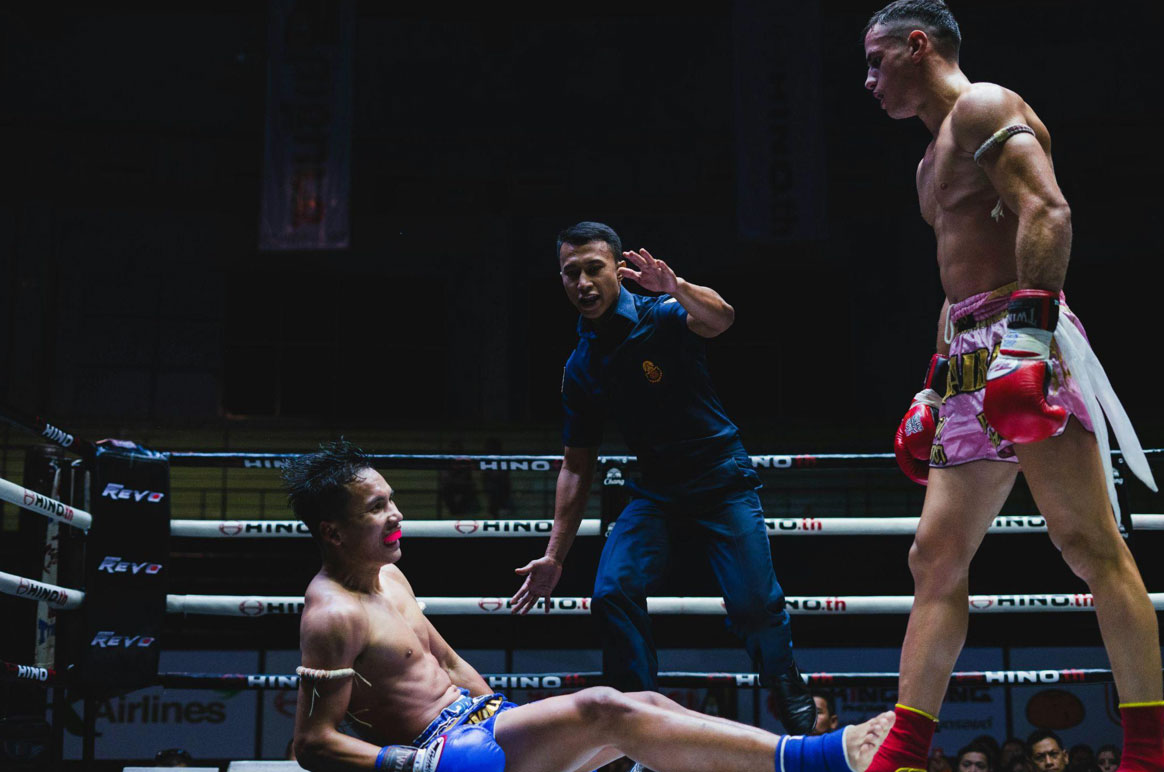
Photo by ben frost on Unsplash
Contemporary martial arts cinema has expanded well beyond its early foundations while preserving many of the qualities that originally attracted audiences. Franchises such as Ip Man, The Raid, John Wick, and Ong-Bak demonstrate how modern filmmakers combine traditional martial arts with innovative cinematography and fast-paced storytelling.
Attention to visual presentation extends beyond choreography alone. Many performers also recognize the importance of maintaining a polished appearance for premieres, interviews, promotional events, and public appearances. Resources from PLA Pro explain the distinctions between Korean lash lifts and traditional lash lifts, highlighting differences in technique and finished appearance. Although unrelated to martial arts training itself, this attention to presentation reflects the broader professionalism expected throughout the entertainment industry, where performers prepare carefully both on and off the screen.
Together, these modern productions demonstrate that martial arts films continue evolving while honoring the discipline, precision, and athleticism that define the genre.
International Cinema Offers Hidden Martial Arts Masterpieces
Although many viewers first discover martial arts through widely known franchises, international cinema contains numerous outstanding productions deserving greater recognition. Hong Kong, South Korea, Thailand, Indonesia, Japan, and mainland China have all contributed influential films that introduced distinctive fighting styles and storytelling traditions.
Movies such as Flash Point, SPL: Sha Po Lang, Chocolate, The Night Comes for Us, 13 Assassins, and Fearless each offer unique approaches to action choreography while reflecting the cultural traditions from which their martial arts originate. Exploring these films provides a broader appreciation of how different countries interpret combat, honor, sacrifice, and heroism.
For enthusiasts willing to move beyond mainstream releases, these productions reveal remarkable performers whose work has quietly shaped global action cinema for years.
Great Martial Arts Films Continue Inspiring New Generations
The greatest martial arts movies remain influential because they offer much more than spectacular fight scenes. Beneath every carefully choreographed battle lies a story about perseverance, discipline, loyalty, personal growth, or overcoming adversity. Those universal themes allow these films to connect with audiences regardless of age, language, or cultural background.
Many modern action stars openly acknowledge the influence of earlier martial arts legends, borrowing choreography techniques, filmmaking styles, and performance philosophies introduced decades ago. As streaming services continue making international cinema more accessible, new audiences are discovering classics alongside contemporary masterpieces, ensuring the genre continues evolving without losing its identity.
Ultimately, every action fan should experience these landmark martial arts films at least once. Together they represent not only some of cinema’s finest action sequences but also enduring examples of dedication, creativity, and storytelling that continue inspiring filmmakers and audiences around the world.