

Horror in 2026 is shaping up to be one of the strongest years the genre has seen in a long time. Big names, cult directors, and some genuinely unsettling concepts are all landing within the same twelve months. From internet folklore brought to the big screen to a period werewolf film from one of the most precise directors working today, there’s something here for every kind of horror fan.
Here’s a ranked look at the films worth marking on your calendar, ordered from most anticipated to least.
1. Backrooms (May 31, 2026)
Director: Kane Parsons
If you’ve spent any time in internet horror communities, you already know what Backrooms is. The concept was born on May 12, 2019, on 4chan. Someone described “noclipping” out of reality and falling into a parallel void: endless office rooms, yellow wallpaper, damp carpet, humming fluorescent lights, and nothing else. No exits. No people. Just space that keeps going forever.
From that single post, a full mythology grew. A wiki with numbered levels from the relatively calm Level 0 to genuinely hellish depths. Creatures like Facelings and Hounds. An entire aesthetic built around liminal spaces, places that feel familiar but completely wrong because they’re empty. A school hallway at 3am. A hotel corridor with no guests. A pool with no one in it.
Kane Parsons already explored this world through a web series that earned real traction online. For those tracking every Backrooms movie details — the feature film follows a character named Clark who ends up inside the Backrooms. The plot beyond that is being kept quiet, which is probably the right call, too much explanation would undercut what makes the concept work in the first place.
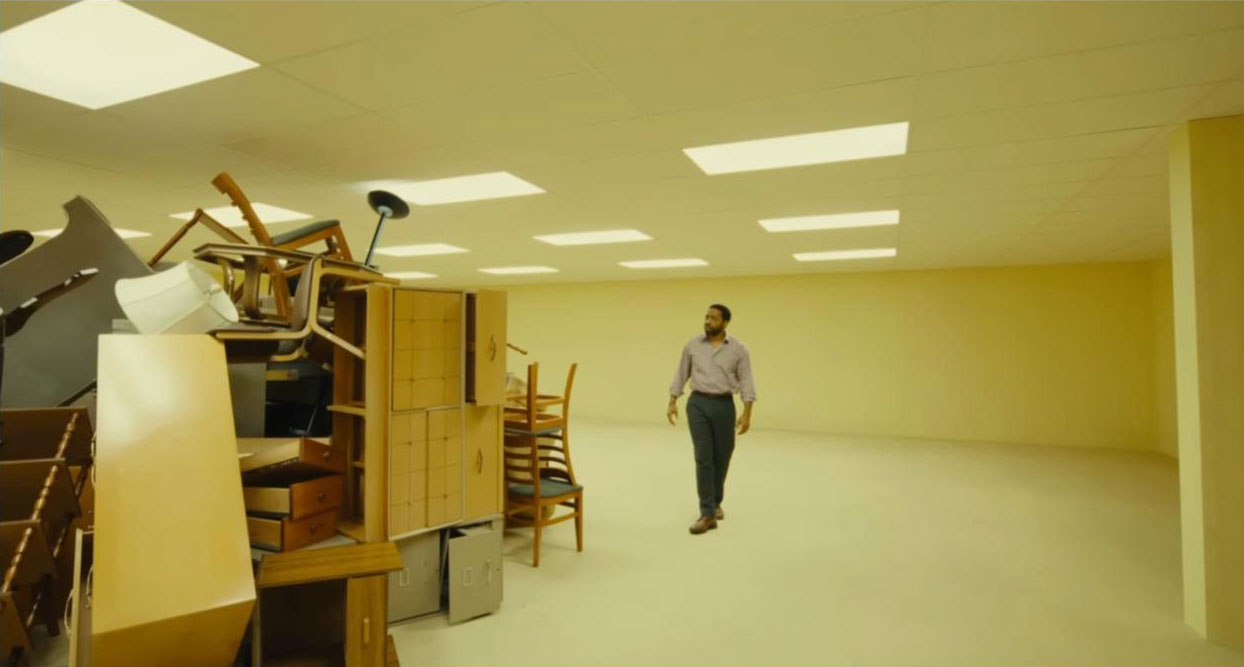
A still from the Backrooms trailer
Parsons understands this world better than most. He built a following by capturing the specific texture of Backrooms dread, and the trailer suggests he’s carrying that sensibility into something much bigger. Whether a full feature can sustain what worked in short-form content is the real question. But for anyone who’s felt that particular brand of internet horror, this one carries genuine weight.
2. Hokum (May 7, 2026)
Director: Damien McCarthy
Om Bauman writes horror novels. He travels through Ireland to scatter his parents’ ashes — a quiet, personal trip that turns into something else entirely when he checks into a guesthouse and starts realizing the place isn’t empty in the way it should be. Something is there with him. And it’s not leaving.
Damien McCarthy isn’t a household name outside of horror circles, but he made Oddity — a quietly terrifying chamber horror that critics responded to warmly and that found a dedicated audience among genre fans. He knows how to build unease through atmosphere rather than through shock, which makes him a natural fit for a story like this. The Irish countryside, the premise of a horror writer confronting actual horror, the slow creep of realization, there’s real potential here for something that gets under your skin and stays there long after it’s over.
Adam Scott plays Om Bauman. He’s currently riding considerable goodwill from Severance, where he plays a character permanently caught between two incompatible realities. There’s an interesting parallel in casting him here — a man used to confronting the uncanny, now doing it in a very different genre. He has the kind of face that reads anxiety and quiet disbelief well, which matters enormously in a slow-burn supernatural story where the character is piecing things together in real time.
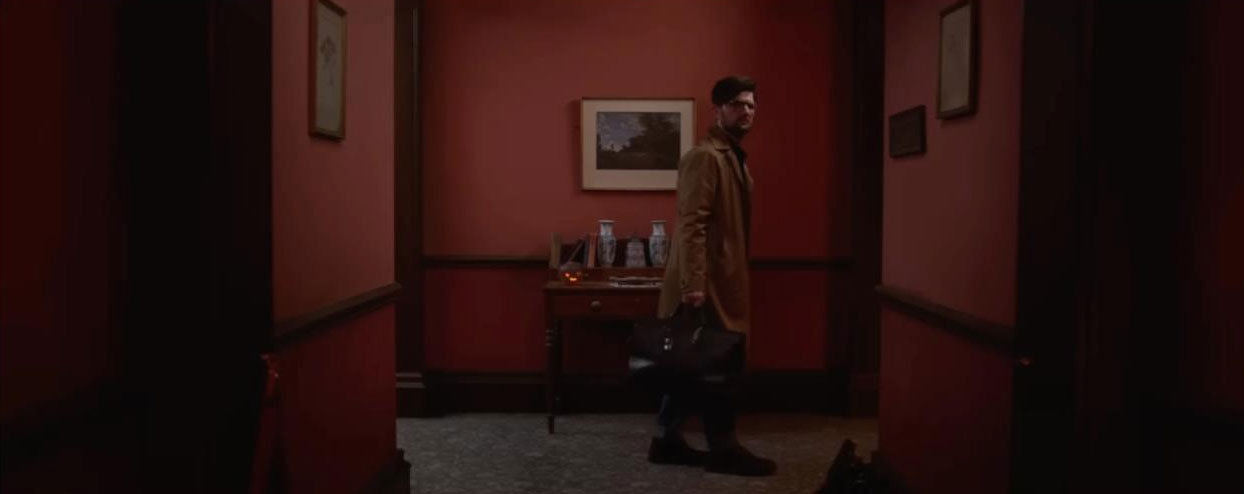
A still from the Hokum trailer
McCarthy’s script and direction are both his own, which usually signals a clearer creative vision than films built by committee. Hokum doesn’t have the franchise recognition or the star power of some other entries on this list. But among horror fans who follow directors rather than brands, McCarthy’s involvement makes this one genuinely exciting.
3. Evil Dead Burn (July 22, 2026)
Director: Sébastien Vaniček
The Evil Dead franchise has a long and complicated history with continuations and spinoffs, and audience trust in any new entry depends heavily on who’s involved. Here, the answer is reassuring: Sam Raimi is producing. So is Lee Cronin, who directed Evil Dead Rise. And Bruce Campbell is on board too. That’s a meaningful vote of confidence for a director most mainstream audiences don’t know yet.
Sébastien Vaniček is French, and his previous horror work — Infested, a claustrophobic creature feature built around spiders in a Paris apartment block, showed he can generate sustained tension and physical revulsion without leaning on nostalgia or name recognition. Evil Dead Burn is a spinoff and continuation rather than a direct sequel. The specifics of the plot are being kept under wraps, but the framework is familiar: the Necronomicon gets opened, deadites emerge, and people start doing terrible things to each other. What changes is the setting, the characters, and the particular flavor of brutality the new director brings.
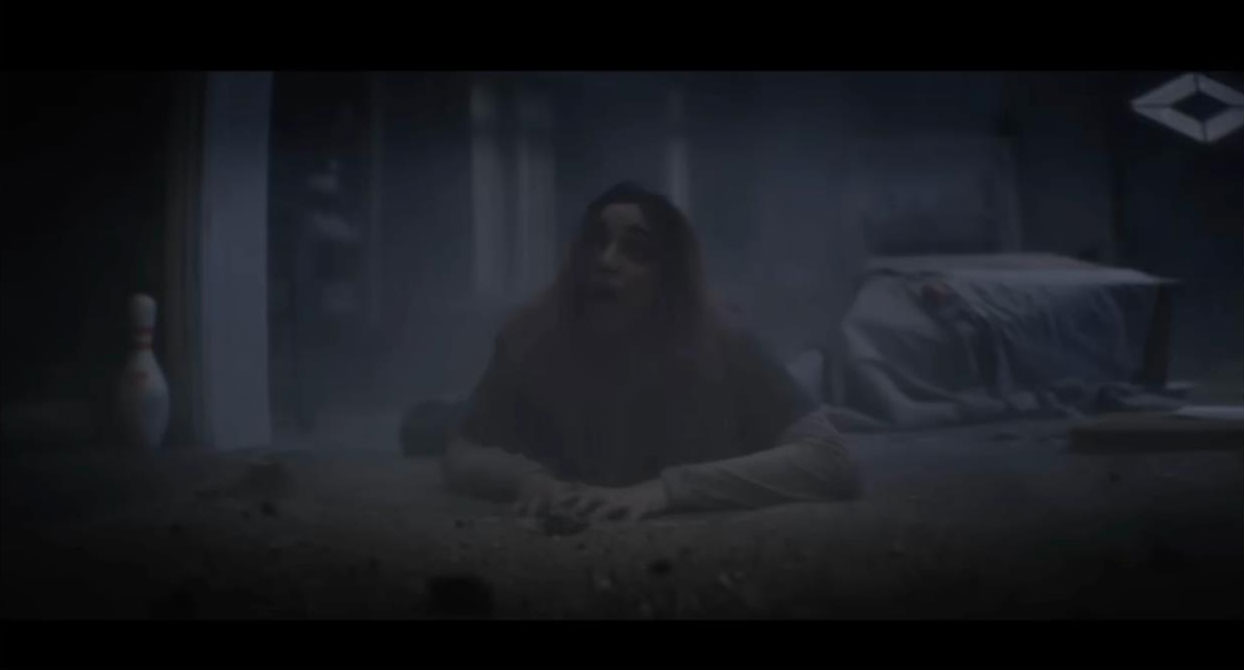
A still from the Evil Dead Burn teaser
The Evil Dead franchise at its best is absolutely committed, not just to scares, but to a specific kind of escalating, almost relentless violence that somehow never loses its horror edge. Evil Dead Rise pulled that off with confidence. Whether Vaniček can do the same is the central unknown here.
The fact that Raimi, Cronin, and Campbell all signed on suggests they believe he can handle it. And a July release gives it space to breathe as a summer horror event, a slot that suits the franchise’s go-big-or-go-home energy perfectly.
4. Other Mommy (October 9, 2026)
Director: Rob Savage
A girl named Bela tells her family she’s been talking to something. She calls it the “other mommy.” Her parents assume it’s an imaginary friend — the kind of thing kids invent when they’re processing something they don’t have words for. They dismiss it, rationalize it, wait for her to grow out of it. They’re wrong to.
The film is based on Josh Malerman’s novel House of the Incidents. Malerman wrote Bird Box, which means he has a proven ability to build dread around something you can’t fully see or name. The “other mommy” concept works on a specific register of horror, the corruption of something that should be safe and comforting. A mother figure that isn’t quite right. Something that knows how to wear a familiar shape. That tends to hit differently than straightforward monster horror, because the wrongness is harder to locate and harder to shake.
Rob Savage directed Host — a genuinely impressive piece of pandemic-era horror built entirely through video calls, made under severe constraints and still scarier than most big-budget productions from the same period. He also directed The Boogeyman, which worked considerably better than most Stephen King adaptations tend to. He understands how to calibrate fear: when to hold back, when to commit, how much to show and when.
Jessica Chastain plays the lead. She’s one of the stronger dramatic actresses working right now, and she brings a grounded, intelligent presence to whatever she’s in.
October is exactly the right release window for this film. It’s quieter and more psychological than outright aggressive horror.
5. Werwulf (December 25, 2026)
Director: Robert Eggers
Robert Eggers has made four films. The Witch, The Lighthouse, The Northman, and Nosferatu. Every single one of them is the kind of film that critics and audiences keep returning to, but because they’re built with a level of craft and intentionality that’s genuinely rare in any genre. Each one is set inside a specific historical world rendered in obsessive, almost suffocating detail.
Werwulf is set in 13th-century England. Something is moving through the countryside and killing people. The villagers slowly understand they’re not dealing with an ordinary predator. Aaron Taylor-Johnson plays the creature — early behind-the-scenes footage shows him in full practical wolf makeup, covered in blood, and it looks like exactly the kind of image that sticks with you. Eggers has said publicly that this will be his darkest film. Given that The Lighthouse ends with a man driven to complete madness and torn apart by seagulls, that statement carries real weight.
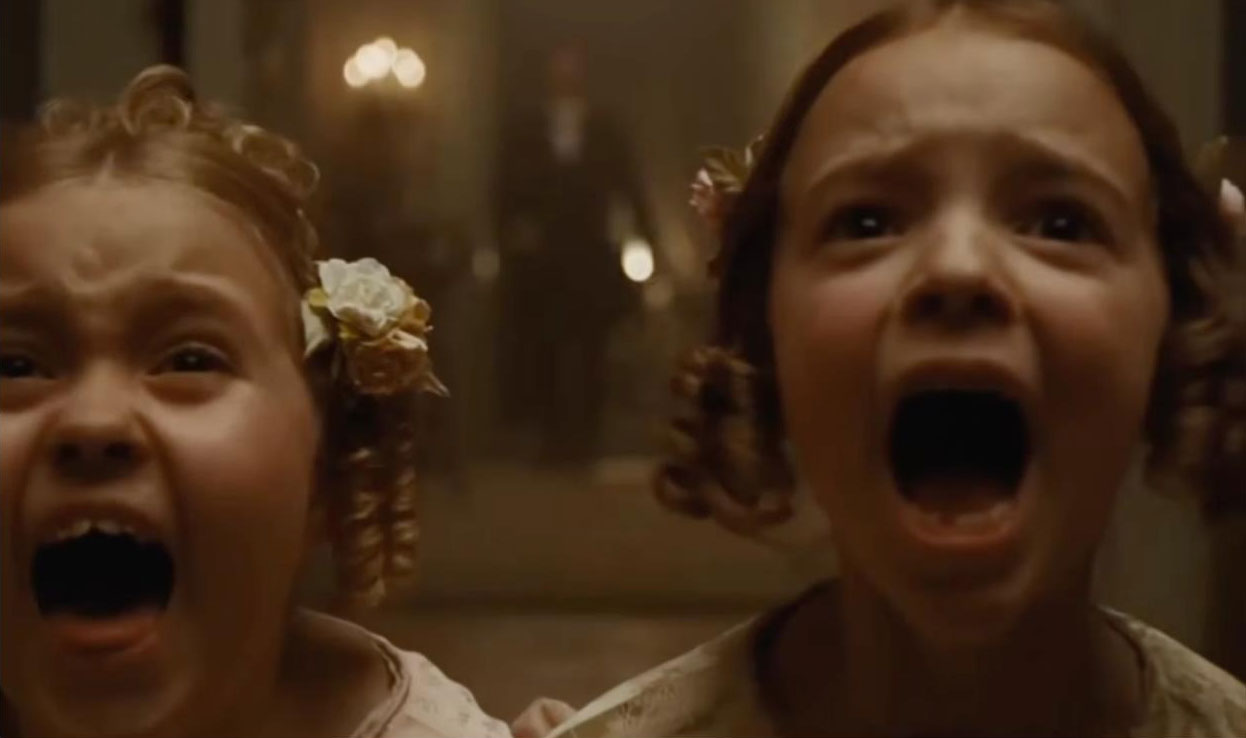
A still from the Werwulf trailer
The werewolf as a horror creature has been seriously underused in recent decades. Most modern takes go action-heavy or lean into CGI spectacle, and in doing so lose the primal, folkloric quality that makes the myth genuinely unsettling in the first place. Eggers works in exactly the opposite direction. He strips things back to the historical and the elemental. A medieval English setting means no rational safety.
Practical effects, period-accurate production design, a director who has never once compromised his vision to make something more accessible — Werwulf has everything it needs to deliver. A Christmas Day release is an unusual choice for the genre, but Eggers has never operated by conventional logic, and the timing actually suits the film’s world: midwinter, shortened days, firelight, and the sense that something old is moving through the dark outside.
The Bottom Line
2026 is a genuinely strong year for horror across almost every register.
Backrooms brings internet folklore to the feature format with a director who built his entire career inside that world and who understands exactly why the concept works. Hokum offers quiet, atmospheric supernatural dread from a filmmaker operating at the top of his game. Evil Dead Burn keeps one of horror’s most committed franchises alive with new blood and a producer lineup that knows what the franchise needs to be. Other Mommy takes a psychologically rich premise, a skilled director, and one of the best actresses working today and aims them at something that should linger. And Werwulf, sitting at the end of the year, like a patient, inevitable thing, could be exactly the kind of horror film people are still arguing about long after the credits roll.
Not every year gives horror fans this much to look forward to. 2026 does.