
Action cinema has spent decades refining the art of the fight scene. From Jackie Chan’s inventive stunt work to the relentless intensity of The Raid, the most memorable martial-arts films understand that action is about far more than punches, kicks, and knockouts. The best fight sequences reveal character, create emotional stakes, and turn physical conflict into storytelling.
That remains true regardless of format. While short-form fight dramas operate on a much smaller scale than feature films, many of the same principles still apply. Limited runtimes simply mean those ideas have to be communicated more efficiently.
When Action Reveals Character
According to fight choreographer and violence designer Jesse Hinson, great fight scenes are not defined solely by choreography or technical skill. In his discussion of what makes fight scenes work, Hinson argues that what separates memorable action from forgettable spectacle is how effectively a fight serves character, plot, and dramatic stakes.
Martial-arts cinema has long embraced that philosophy. A fighter’s style often reveals who they are before they have spoken more than a few lines. A disciplined martial artist moves differently from an impulsive brawler. An experienced veteran approaches conflict differently from a novice. Even in films with limited dialogue, combat becomes a form of characterization.
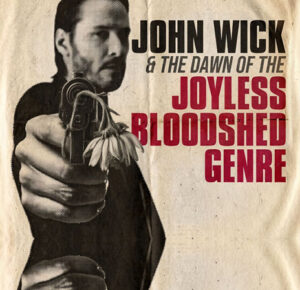
Hinson points to characters such as John Wick, whose efficient movements reflect years of training and experience. He also notes that personality traits frequently emerge through fighting style, allowing audiences to understand a character through action rather than exposition.
For short-form storytelling, this efficiency is especially valuable. When episodes have only a few minutes to establish a character, action can communicate information quickly while keeping the narrative moving forward.
Why Consequences Matter
One reason films like The Raid remain so effective is their commitment to physical consequences. Audiences are not simply watching choreography; they are watching characters endure punishment, fatigue, and risk.
Gareth Evans’ 2011 action classic became famous for its brutal fight sequences, but the film’s impact comes from more than technical execution. Behind the scenes, actors and stunt performers endured an extremely demanding production. Lead actor Iko Uwais suffered multiple injuries during filming, while several stunt sequences resulted in bruises and physical strain.
That commitment to physicality carries over onto the screen. Every strike appears heavy, every confrontation feels costly, and every victory looks earned.
Martial-arts cinema has repeatedly demonstrated that viewers respond to action that feels grounded in consequence. Characters who absorb punishment without any visible effect may survive a fight, but they rarely create tension. Physical vulnerability gives action weight because the audience understands there is something at stake.
The Environment Is Part of the Fight
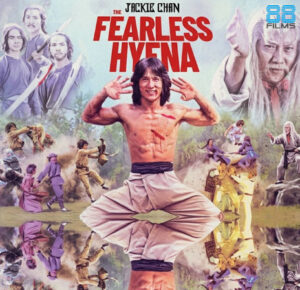
Jackie Chan helped redefine action cinema by treating locations as active participants in a fight rather than passive backgrounds. Staircases, chairs, railings, tables, and entire rooms became tools that could shape the choreography and alter the rhythm of a sequence.
The analysis of Chan’s stunt-blocking techniques emphasizes how he integrated architecture and props directly into the action. A chair could become a shield, a staircase could change momentum, and a cramped room could create new obstacles and opportunities.
The same principle can be seen in The Raid, where the apartment building functions as far more than a setting. Hallways, stairwells, corridors, and confined spaces constantly influence the action and contribute to the film’s sense of pressure and danger.
For modern fight dramas, this lesson remains highly relevant. A gym, training facility, locker room, underground venue, or fight ring can contribute to storytelling when the action is built around the space rather than merely taking place inside it.
Training, Emotion, and the Stakes Beyond the Fight
The strongest martial-arts stories understand that physical conflict works best when it is connected to character development. Hinson describes fight scenes as opportunities for characters to discover something about themselves, pointing to Neo’s development in The Matrix as an example of action functioning as character progression rather than simple spectacle.
Training sequences often serve the same purpose. Their value is not simply in showing a character becoming stronger. They reveal determination, vulnerability, frustration, confidence, and relationships between characters.
This is also where martial-arts cinema frequently overlaps with other genres. Rivalries, friendships, mentorships, and romantic relationships often gain strength because they are tested through physical conflict. The action becomes more compelling because the audience cares about the people involved.
Some contemporary short-form fight dramas have begun drawing from those same storytelling traditions. Rather than treating romance and action as separate elements, they allow each to strengthen the other. This review of Fight Dirty examines a story built around underground MMA fights, visible injuries, training, rivalry, and a fake-dating romance. It notes that bruises remain visible, cuts do not disappear immediately, and the roughness of the fighting world contributes to the story’s emotional tension. It also highlights how training becomes part of the relationship between Kenzie and Clay rather than existing solely to prepare for the next fight.
Those are familiar ideas for martial-arts fans. Physical conflict often becomes more effective when it serves a larger emotional purpose.
Final Round
From Jackie Chan’s inventive use of space to the punishing realism of The Raid, martial-arts cinema has spent decades proving that action works best when it serves character and story. The most memorable fights are not simply displays of athletic ability. They reveal personality, create consequences, deepen relationships, and raise the stakes of the narrative.
Short-form fight dramas may operate within tighter runtimes and different storytelling constraints, but the underlying principles remain unchanged. Whether a story unfolds across two hours or a series of brief episodes, action becomes most effective when it functions as meaningful storytelling rather than spectacle alone.
Sources:
- https://reelmind.ai/blog/jackie-chan-cinematography-action-stunt-blocking-analysis?
- https://news.northeastern.edu/2024/02/23/magazine/movie-fight-scene-stage-combat/?
- Original source: https://www.gq.com/story/raid-redemption-gareth-huw-ewans-interview-director-action-movie-fight-scenes (for subscribers only)
Source based ion GQ article: https://www.slashfilm.com/830941/the-raids-brutal-action-scenes-were-as-dangerous-as-they-look/?