

Watch the teahouse scene in John Woo’s Hard Boiled. Chow Yun-fat slides across a marble floor while dual-wielding pistols. Bodies fly. Glass shatters everywhere. The whole thing unfolds in slow motion for nearly three minutes.
That scene changed everything. Not just for movies, but for games too. Video game developers have been copying that exact style for thirty years now. The influence runs deeper than you might think. Platforms like Bet2Invest track competitive gaming performance, where these cinematic storytelling techniques create the same dramatic tension that keeps audiences hooked during tournament play.

Photo by Anthony
Stories That Jump Between Worlds
Asian films love messing with time. Wong Kar-wai’s characters meet in one decade, disappear, then show up again years later. No warning. No explanation. Just sudden cuts between past and present.
Games copied this approach wholesale. Yakuza throws flashbacks at you right when you need to understand why someone betrayed you. Sleeping Dogs does the same thing. The structure works because it turns backstory into a reward instead of a chore.
Then there’s the revenge plot from Oldboy. Guy gets locked up. Trains alone for years. Comes out as a completely different person. Sound familiar? That’s basically every action RPG ever made. You start weak, grind through missions, then crush the final boss with your new skills.
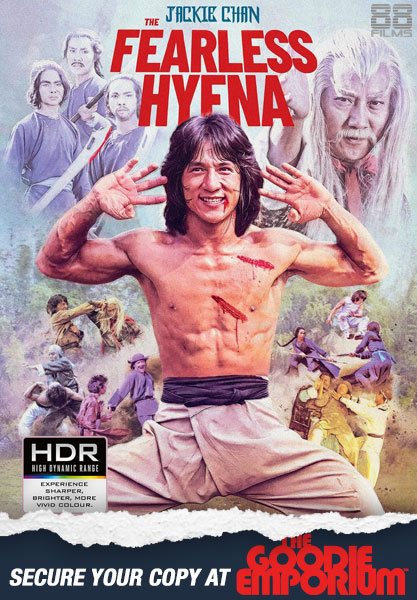
Hong Kong martial arts films gave us the mentor relationship too. Jackie Chan spends half of Drunken Master doing what looks like random busy work. Carrying water buckets. Balancing on poles. Turns out it was training the whole time. Games turned this into fetch quests that actually mean something. The pattern works because it makes repetitive tasks feel purposeful.
Fighting games straight up stole their structure from tournament movies:
- Bloodsport and Enter the Dragon follow the same bracket format you see in Street Fighter
- Each fight comes with a quick backstory before the match starts
- Difficulty ramps up as you climb the ladder
- The final boss always has some personal connection to your character
Characters You’ve Seen Before
Zatoichi wanders around medieval Japan trying to avoid trouble. He’s blind. He’s deadly. He never starts fights but always finishes them. That’s the template for half the video game protagonists out there. Players get to feel powerful without feeling guilty about it.
Crouching Tiger, Hidden Dragon showed Hollywood how to write female fighters decades before it became trendy. Jen Yu doesn’t just kick people. She struggles with expectations and freedom and what she actually wants. Modern games finally caught up. Now you get characters who fight well and have actual personality conflicts that matter.
Yakuza games borrowed their crime bosses directly from Takeshi Kitano films. These guys follow codes. They value loyalty over money. They’ll kill you for betrayal but help you if you show respect. That moral gray area makes them interesting villains instead of cartoon bad guys.
The trickster fighter shows up constantly too. Think of all those old kung fu comedies where the small guy beats the muscle-bound opponent through weird tricks. Games loved that idea. Stealth characters reward you for being clever instead of just mashing buttons.
What You See Matters
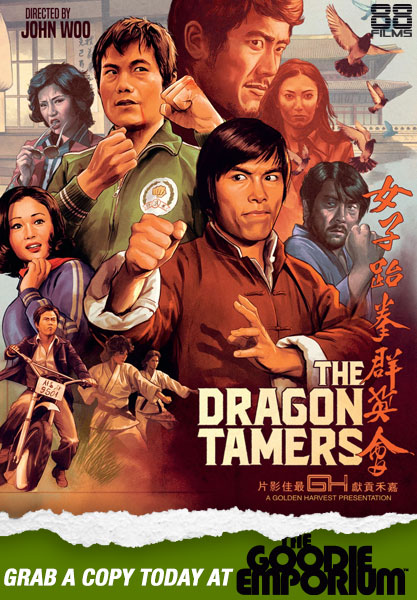
John Woo invented bullet time before The Matrix made it famous. He slowed down gunfights to show the grace in violence. Max Payne turned that into a core game mechanic. Now every action game has some version of it.
Zhang Yimou uses color like a storytelling tool. Red means one thing. Blue means another. Game designers studied his films to figure out how visual choices trigger emotional responses. According to Film Independent, these composition techniques shape how audiences process stories across all media formats.
Rain shows up everywhere in Asian noir. Wong Kar-wai drenches his scenes in neon reflections and wet streets. Games copied this because it looks moody and gives you a reason for limited visibility. Nobody complains about reduced draw distance when it’s raining.
The Raid proved that hallway fights could be incredible. Tight spaces force creative solutions. Games recreated those exact scenarios. Narrow corridors stop you from button mashing and make you think tactically.
Competition and Strategy
Asian gambling movies show something interesting. Characters in God of Gamblers read tiny behavioral tells. They calculate odds mentally. They trust gut instinct at critical moments. That blend of analysis and intuition applies to competitive gaming too.
Ip Man teaches a simple lesson. Master the basics and you’ll beat flashier opponents every time. Games built entire design philosophies around this idea:
- Core mechanics matter more than complex combos
- Consistent practice beats natural talent
- Fundamentals win tournaments
- Shortcuts don’t work long-term
Martial arts films also taught games about reading opponents. You watch for patterns. You predict the next move. You counter before they finish the animation. Competitive gaming platforms track these exact patterns through statistics. The best players combine observation with data analysis.
Tournament brackets create natural drama. Each win raises the stakes. Each new opponent is tougher than the last. Games copied this structure because it builds tension automatically. You get satisfying climaxes without forcing them.
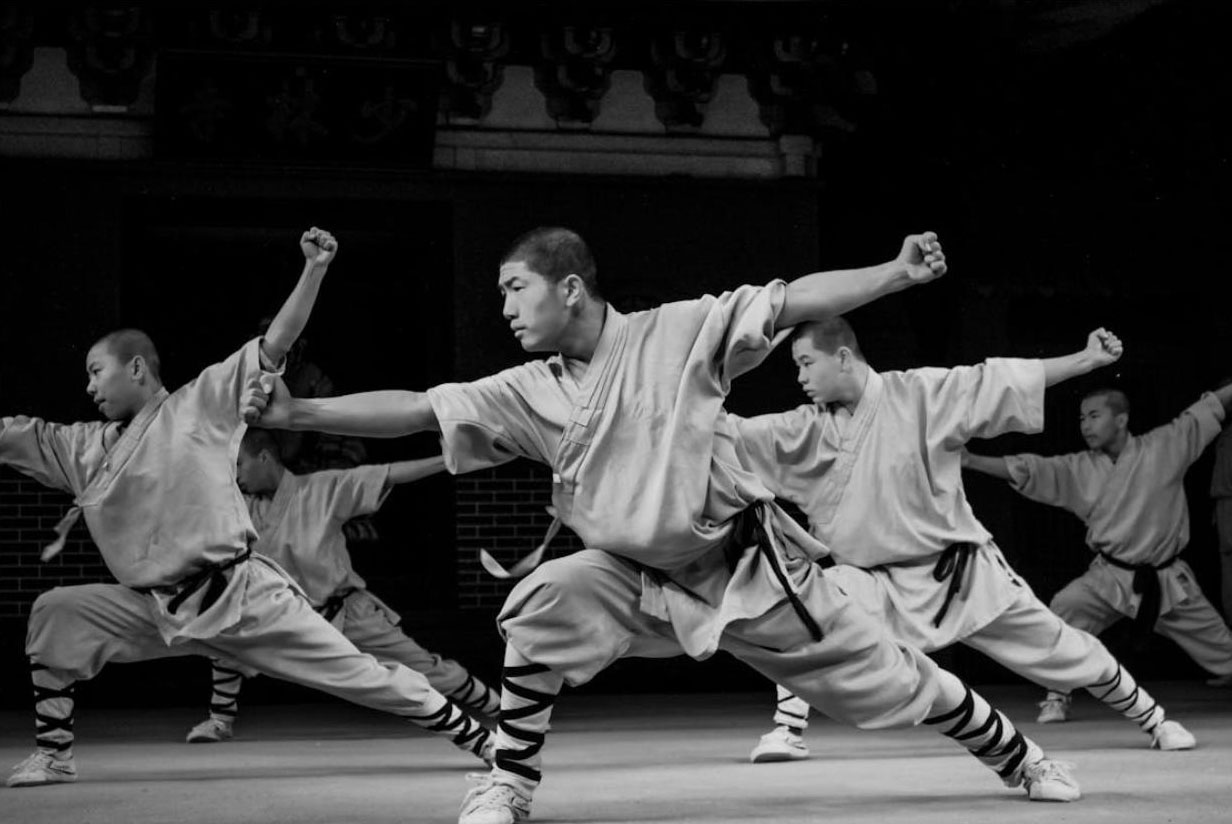
Photo by Lan Yao
Culture Shapes Stories
Honor drives characters in both mediums. They face impossible choices between duty and desire. Hero shows assassination as tragedy instead of triumph. Games borrowed that moral complexity. The best decisions in games don’t have clear right answers. You remember them because they made you think.
Face matters in Asian culture. Characters endure pain rather than show weakness publicly. They keep composure during disasters. Games use reputation systems to recreate this. NPCs treat you differently based on past choices.
Triad loyalty themes work perfectly for multiplayer games. You join a faction. You make friends. Organizations clash and you have to pick sides. The drama comes from relationships you built yourself, not scripted cutscenes.
Sympathy for Mr. Vengeance shows how revenge creates more victims. Those victims want revenge too. The cycle never ends. The Academy of Motion Picture Arts and Sciences notes these narrative patterns now appear across multiple entertainment formats. Games explore this through branching paths where your actions ripple outward.
Why This Matters
Directors watch games for pacing ideas. Game designers study films for emotional depth. The exchange goes both ways now. Each medium makes the other better. Next time a game feels particularly cinematic, you’ll probably spot the Asian film influence. The connections run everywhere once you start looking.