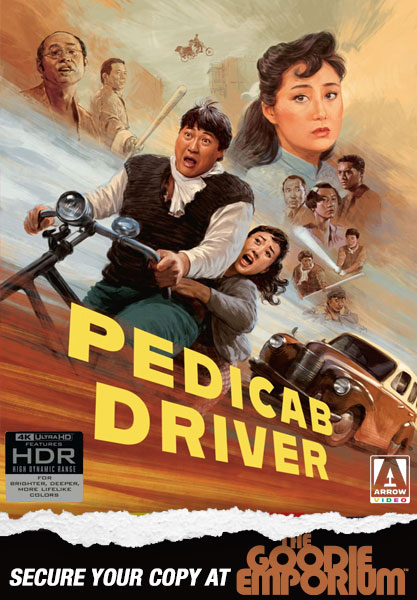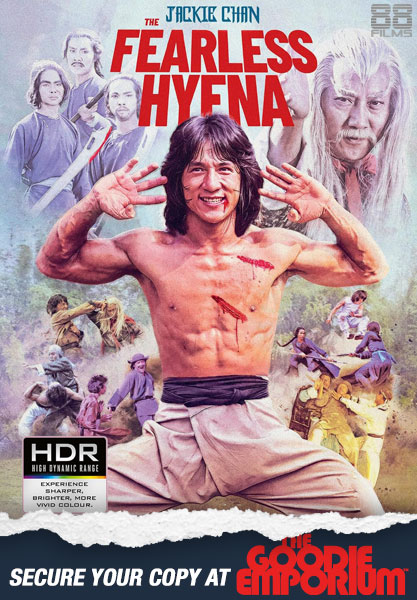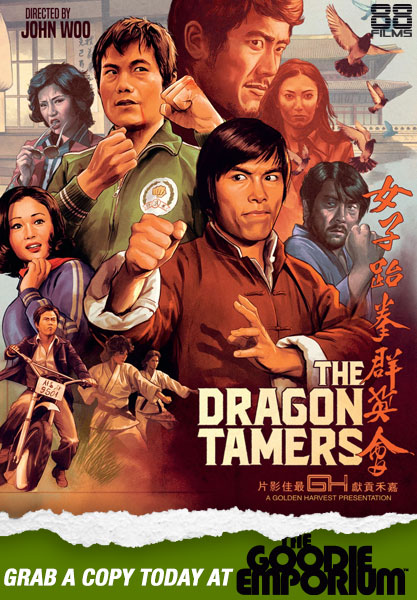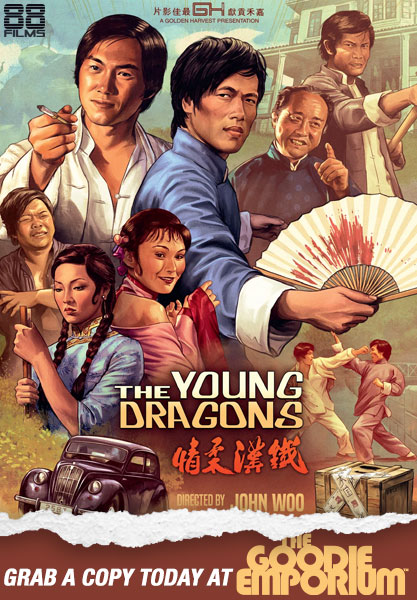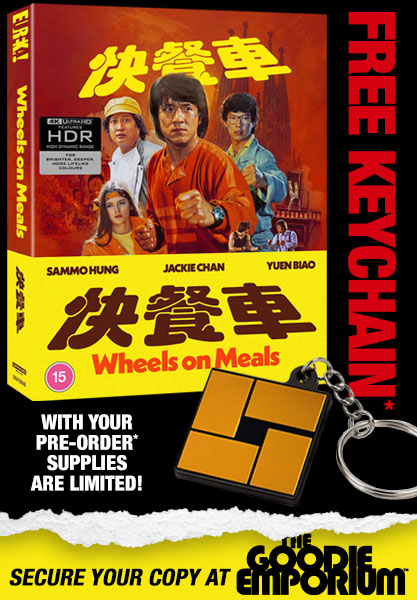




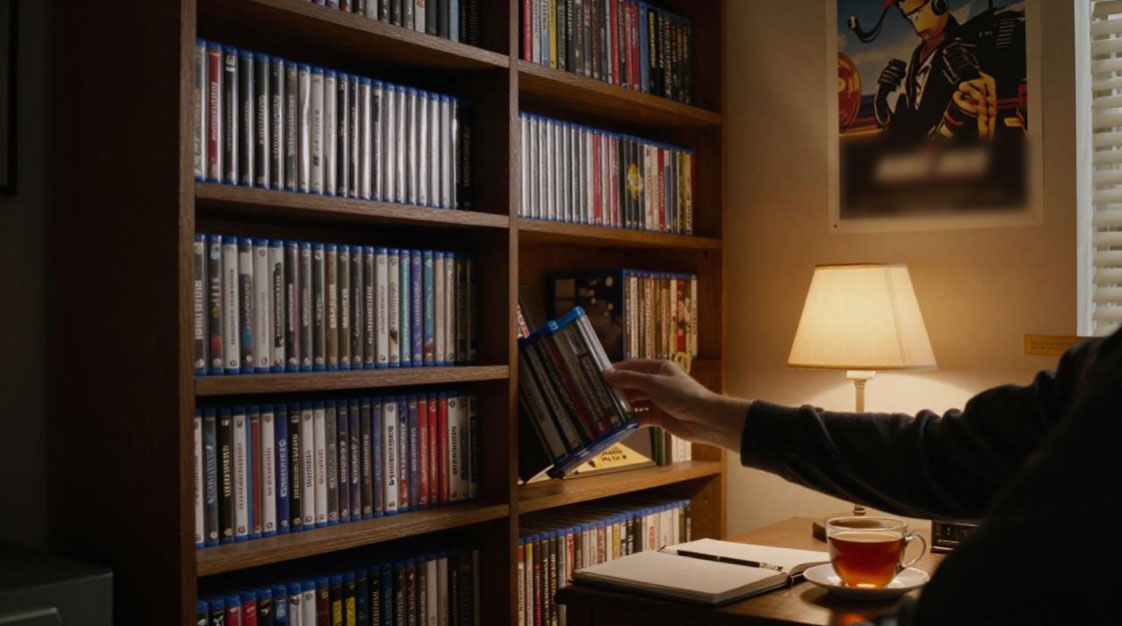
 Every collector of Asian cinema knows the moment. A boutique label announces a restored Shaw Brothers title, and you can’t remember whether you already own it, which edition you have, or whether that’s the one with the original Mandarin mono track. So you check the shelf, then your order history, then a spreadsheet you last updated two years ago.
Collections grow faster than our ability to remember them. Discs arrive from several countries, digital purchases sit on different platforms, festival screenings blur together, and release alerts pile up unread. The answer isn’t to collect less. It’s to keep a light record that makes the collection easier to enjoy.
Catalog for discovery, not completion
The goal of a catalog isn’t to list everything you own for its own sake. It’s to answer the questions you actually ask: Do I have this? Which version? Have I watched it? What did I think?
Start with what you’d want to know when standing in front of the shelf or browsing a sale:
- Title, including the original-language title and common alternates
- Director, year and country
- Label and edition (and region code, for imports)
- Format: Blu-ray, 4K, DVD or digital
- Notable features: restoration source, audio options, subtitles, commentaries
- Where it is: shelf, box, lent out or which digital platform
Alternate titles matter more for this genre than almost any other. A single Hong Kong film may have been released under three English names, and a search for one won’t find the others unless you record them.
Choose a tool you’ll actually keep up
A spreadsheet is enough for most collections. Dedicated cataloging apps can scan barcodes and pull in details automatically, which helps with large libraries. The best system is the one you’ll update the same day a package arrives.
Whatever you use, make sure you can export your data. Apps disappear and services change their terms. A plain file you control will outlast any of them.
Separate collecting correspondence from daily mail
Serious collecting generates a surprising amount of email: preorder confirmations, shipping notices from overseas retailers, label newsletters, festival ticket confirmations and price alerts. Mixed into a personal inbox, the announcement you care about is lost under everything else, and limited editions sell out while it sits unread.
A dedicated address fixes this neatly. Setting up a free email account just for the hobby gives every label newsletter and order confirmation one place to land. You can check it when you’re in the mood to browse, search it when a parcel is late, and keep retailer mailing lists away from your main inbox entirely.
It also helps to create a couple of folders there: one for orders in progress and one for receipts. That’s usually all the structure you need.
Keep purchase records proportional
You don’t need to file every invoice forever. Keep order confirmations until the item arrives and you’ve checked the disc plays. Keep receipts for expensive or rare editions in case of insurance claims or resale. Delete the rest.
For imports, note the retailer and the date. When a disc turns out to be faulty or a replacement program is announced, you’ll want to know where it came from.
Protect access to the archive
A catalog built over ten years deserves a backup. The Library of Congress personal digital archiving guidance recommends identifying what matters, organizing it and keeping copies in more than one place. For a collector, that means a copy of the catalog file on your computer, another in cloud storage or on an external drive, and a fresh export every few months.
Digital purchases need attention too. Keep a note of which titles sit on which platform and which account they’re tied to, and secure those accounts with unique passwords and two-step sign-in. A lost login can mean a lost library.
Record the edition and the story around it
The details that make a collection interesting are rarely the ones on the case. Where did you first see the film? Was it a festival print, a late-night TV broadcast or a friend’s recommendation? Is this the edition with the booklet essay you love, or the one you bought only for the commentary?
A short notes field turns a list into a personal history. It’s also invaluable if you write reviews, program screenings or simply want to recommend something to a friend and remember why.
Add a lending column while you’re at it. Every collector has a disc that left the house in 2019 and never came back.
Test whether the catalog answers real questions
Try it out. Ask yourself what a visitor might: Which Johnnie To films do you have in 4K? Which King Hu titles are still missing? What did you buy last year and never watch? If you can answer in under a minute, the catalog is doing its job. If not, simplify the fields or add the one that’s missing.
Make the seasonal review enjoyable
Set aside an evening a few times a year. Update the catalog, go through the wish list, check for duplicates you could trade and pull out three unwatched titles for the weeks ahead. Treat it as part of the hobby, with something good playing in the background.
A collection is only as valuable as your ability to find what’s in it. A simple record, kept up to date, means less time hunting through shelves and order histories, and more time doing what the collection is for.