


Image Source
Great action scenes aren’t just about explosions or fast movement. They’re about tension. The kind that makes you lean forward, hold your breath, and feel like something could go wrong at any second. The best directors don’t rely on chaos. They control it. Every cut, every pause, every movement is intentional.
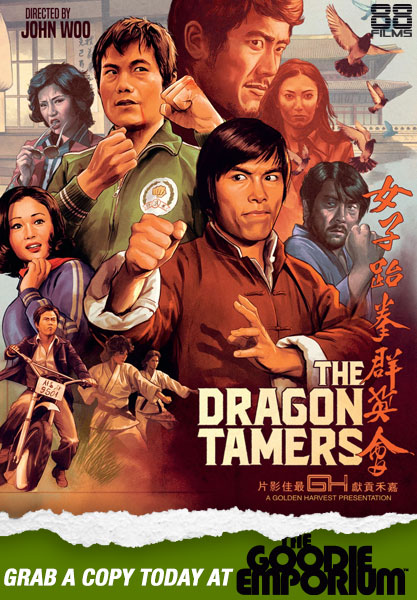
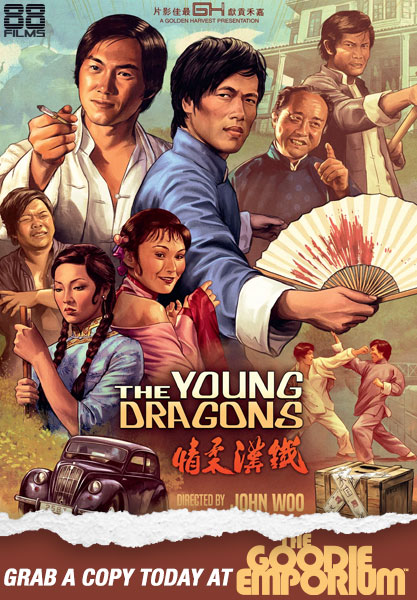
Filmmakers like John Woo and Tsui Hark understand that action only works when the stakes feel real. It’s not just what’s happening on screen. It’s how it’s built. In this piece, we break down how great action directors create that pressure and keep viewers engaged from start to finish.
Setting the Stakes: Why Tension Comes First
Tension is what makes an action scene work. Without it, all you’re left with is noise. Fast cuts, loud sounds, and movement that lacks meaning. Great directors understand this, so they build tension before anything escalates.
Think about high-risk settings like casinos, where every decision carries immediate consequences. That’s why scenes built around thrilling online casinos feel so intense even before anything goes wrong, because the outcome is uncertain and often tied to significant loss or gain. The pressure exists from the start.
This same principle applies to other high-stakes moments. A standoff, a chase, or even a quiet conversation on the edge of conflict. The tension comes from what could happen, not just what is happening.
From a filmmaking perspective, tension is deliberately engineered through stakes, uncertainty, and timing. Directors design scenes so that the audience anticipates consequences before they unfold.
At its core, tension is not about spectacle. It is about emotional investment. When the audience understands what is at risk, every second carries more weight, which keeps viewers engaged.
The Masters of Controlled Chaos: John Woo and Tsui Hark
John Woo and Tsui Hark are widely regarded as masters of action, but what sets them apart is precision. Their scenes may appear chaotic, yet every element is carefully constructed.
John Woo is known for slow-motion sequences, dual-wielding gunplay, and emotionally driven storytelling. His action scenes extend beyond visual spectacle. They emphasise loyalty, sacrifice, and character conflict, which heightens tension.
Tsui Hark approaches action through movement and visual energy. His camera rarely remains static, and his scenes often feature multiple layers of action unfolding simultaneously. Despite this complexity, the viewer is never disoriented. The visual language remains clear and intentional.
Both directors demonstrate a core principle of action filmmaking: clarity must be preserved even at peak intensity. Without spatial and narrative clarity, tension collapses into confusion.
Their influence continues to shape modern action cinema. From Hollywood productions to international films, their techniques remain foundational for building and sustaining tension.
Editing: Where Tension Is Really Built
Editing is where tension is ultimately constructed. What appears on screen is not only defined by what was filmed, but by how those shots are assembled.
The rhythm of cuts plays a crucial role. Fast cuts create urgency and chaos, while slower cuts extend moments and build anticipation. The timing of each cut determines how the audience processes information and emotion.
Holding a shot slightly longer than expected can create unease. The viewer begins to anticipate change, even in stillness. That anticipation is a key component of tension.
Cross-cutting is another essential technique. By shifting between characters or parallel situations, directors reveal connections and raise stakes simultaneously. This structure allows tension to build across multiple layers of the narrative.
In professional editing practice, tension is shaped through pacing, shot selection, and continuity. Each decision influences how the audience experiences time, pressure, and emotional escalation.
Pacing: Knowing When to Slow Down
Continuous action may seem engaging, but without variation, it loses impact. When intensity remains constant, it becomes predictable.
Effective pacing relies on contrast. Moments of quiet create space for tension to grow. A pause, a glance, or even silence can signal that something significant is about to occur. These moments prepare the audience for impact.
Stretching time before a key event increases anticipation. When the action finally unfolds, it feels more powerful because the audience has been prepared for it.
Directors intentionally structure scenes to alternate between tension and release. This contrast ensures that high-intensity moments retain their effect rather than becoming visually overwhelming.
Without controlled pacing, even well-executed action can feel flat. Balance is what gives action its weight.
Choreography: Action That Tells a Story
Effective action choreography goes beyond visual appeal. It communicates character, intention, and conflict.
A disciplined fighter moves differently from a reckless one. These differences are reflected in posture, timing, and decision-making during a scene. The audience understands character through movement.
Spatial awareness is equally important. Viewers need to understand where characters are positioned and how they interact with their environment. When spatial relationships are clear, the action becomes more immersive and believable.
Action sequences are also designed to escalate. Each movement builds on the previous one, increasing stakes and intensity. This progression keeps the audience invested.
In action design, choreography functions as a narrative tool. It reveals character traits while advancing the story, rather than serving as an isolated spectacle.
When choreography, clarity, and escalation work together, action becomes meaningful rather than decorative.
Tension Is What Makes Action Stick
Great action is not defined by speed or volume. It is defined by emotional impact. The most effective directors build tension with intention and precision.
When the stakes are clear and every element is purposeful, the audience remains engaged from beginning to end. Tension is what transforms action from noise into experience.