Watch a good fight scene today and you can almost read it like a sentence. The camera shows you where the bodies are, the movement has a beat, and the action can easily tell you who is confident, who is desperate, and who is changing.
That shared sense of what reads as good action did not appear by accident. It traveled. In the same way people now connect across borders through niche corners of the internet like video chat with bbw, film fans and filmmakers have spent decades swapping tapes, discs, clips, and behind-the-scenes stories, then rebuilding what they saw in their own movies.
Asian action cinema, especially from Hong Kong, taught the world a practical language for choreography. It showed how to make movement readable, how to use rhythm to build emotion, and how to treat a fight as storytelling instead of noise.
Fight Choreography As A Shared Language
When people say modern action looks like it has martial arts DNA, they usually mean three things.
First is clarity. You can tell where bodies are in the frame and why a move works. Second is rhythm. Hits do not come at a flat pace. There are beats, pauses, and bursts that feel like a conversation. Third is consequence. The scene shows effort, pain, and adaptation, so the action feels tied to character.
Hong Kong and other Asian industries refined these ideas because they had to. Budgets were often tighter than Hollywood, and the films lived or died on action quality. If a fight felt messy, there was nowhere to hide.
Why Hong Kong Became The Training Ground
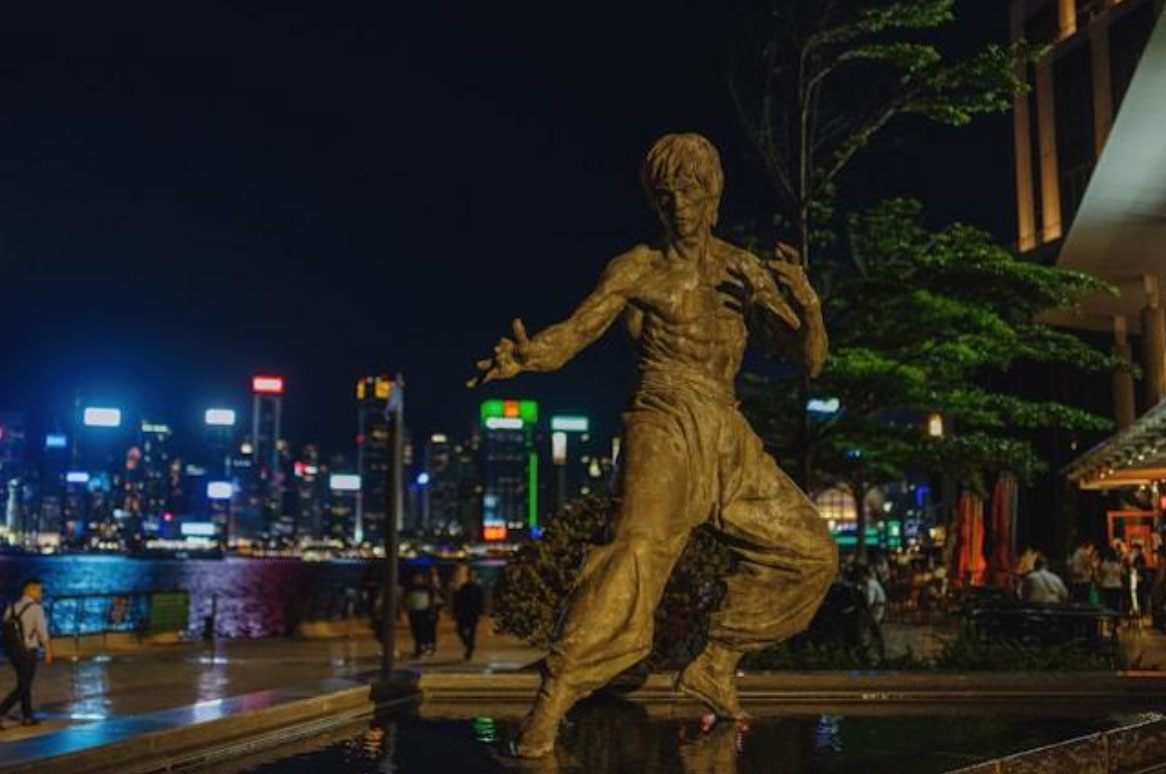
Hong Kong cinema had a long history, but martial arts films surged in the mid 1960s and became a dependable engine for the industry. When American audiences discovered these films in the early 1970s through stars like Bruce Lee, the export market expanded fast. That outside demand rewarded the filmmakers who could deliver clean, exciting movement again and again.
A key advantage was the talent pipeline. Many performers came through traditions that already valued timing, precision, and physical control, including Chinese opera training and serious martial arts schools. Those backgrounds made it normal to treat a fight like a rehearsed performance, not an improvised brawl.
The Stunt Team Method That Hollywood Borrowed
One of Hong Kong’s biggest exports was not a single style of punching. It was a way of working.
Action was planned early. Choreography was rehearsed like dance. Stunt teams developed a shared vocabulary so performers could learn sequences quickly. The best teams built fights from simple rules: establish distance, show the setup, land the move, then pay it off with a reaction.
That approach also created a specific job identity. The action director or fight choreographer was not just a technician. They shaped storytelling. They decided how a character’s personality shows up in movement, whether that means crisp technique, dirty shortcuts, or panic when plans fall apart.
As Hollywood began hiring more Asian choreographers and stunt teams, it also started adopting this workflow.
Editing Rhythm and the Art of Letting a Move Land
Editing is where fights often succeed or fail. Asian action cinema treated editing like percussion. If the cut comes too early, the hit feels light. If it comes too late, the rhythm drags.
Good action editing also respects screen direction. If a punch travels left to right in one shot, the next shot should not flip the geography unless the film clearly resets the space. That simple discipline is a big reason older Hong Kong fights still feel easy to follow.
This is also where sound matters. Impact sounds, footfalls, and cloth movement help the brain read weight and speed. Even when a hit is staged safely, the right audio cues make it feel physical.
The Hollywood Shift From Copying to Collaboration
For a long time, Hollywood borrowed Asian action in a shallow way. It copied poses, camera angles, or a few signature moves. What changed the game was collaboration.
When major productions brought in top Asian choreographers and committed to serious training, the action started to feel earned. Actors learned combos and footwork. Directors learned how to shoot for clarity. Editors learned to preserve rhythm.
This also opened the door for different kinds of action heroes, including more prominent women fighters. Asian cinema had long featured women who could fight as equals, and Hollywood eventually built major franchises around that model.
How to Watch Fight Choreography With Fresh Eyes
If you want to see this influence clearly, watch for three things. First, how often you can see the whole body, including the feet. Second, how the scene uses rhythm, with pauses and accelerations that match the story. Third, how the environment forces choices, turning the fight into a series of problems.
Asian action cinema helped teach the world that choreography is character, plot, and emotion expressed through motion.